





















Cookies help us deliver our services. By using our services, you agree to our use of cookies.
Search
[CHF] Swiss Franc
English
- Fishing license
- New Products
- Predator
- Trout
- Fly Fishing
- Carp
- Catfish
- Strike
- Sea
-
Clothing
- Fishing jackets
- Hoodies, fleeces & sweaters
- Fishing T-shirts, Polos, and Shirts
- Fishing Pants, Bibs, and Shorts
- Fishing vests and chest packs
- Waders and Hip Boots
- Boots, Shoes & Sandals
- Polarized sunglasses & Accessories
- Caps, Visors & Hats
- Beanies, Neck gaiters & Gloves
- Thermal underwear & Socks
- UV-blocking Clothing and Sun protection accessories
- Various
- Navigation
- Hunting
- Decor & Gifts
- Brands
Filter
Filter by price
Filter by manufacturer
Fly Fishing Accessories
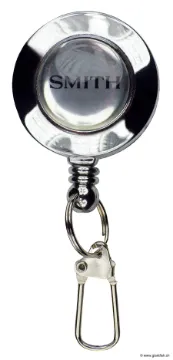

SMITH Service Button Silver
SMITH service button with a practical retractable attachment system to keep your small fishing accessories always within reach and secure.
8.45 (CHF) incl tax
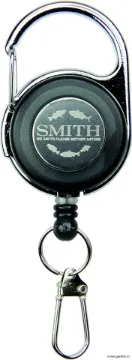
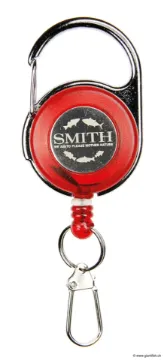
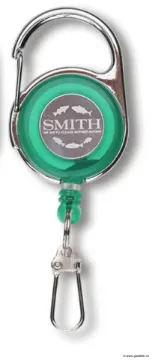
SMITH Karabiner Service Button Reel
SMITH karabiner service button — a convenient retractable reel to keep your essential fishing accessories within reach at the water's edge.
8.45 (CHF) incl tax
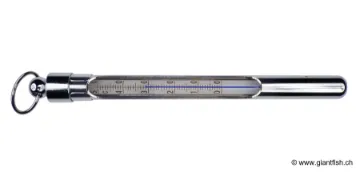
SMITH Fishing Thermometer
SMITH fishing thermometer to measure water temperature in rivers, lakes and ponds and optimize your sport-fishing sessions.
20.90 (CHF) incl tax
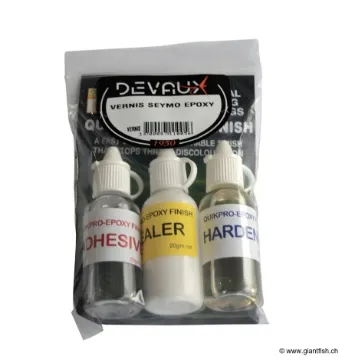
Devaux Seymo Epoxy Varnish
Devaux Seymo Epoxy Varnish for Rod and Fly Tying – Professional Transparent Finish
35.45 (CHF) incl tax
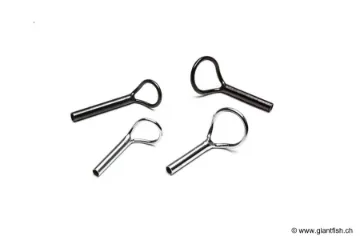
Devaux Tippet Rings
Devaux tippet rings, an essential fly-tying accessory—durability and performance guaranteed.
4.55 (CHF) incl tax
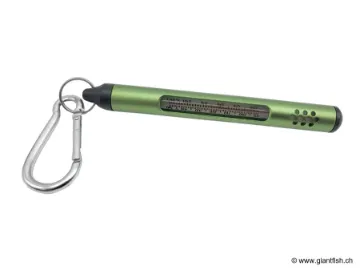
Devaux DVX Thermometer
Devaux Thermometer: precise water temperature measurement for fly fishing. A robust and reliable Devaux accessory, essential for optimizing your sessions.
18.10 (CHF) incl tax
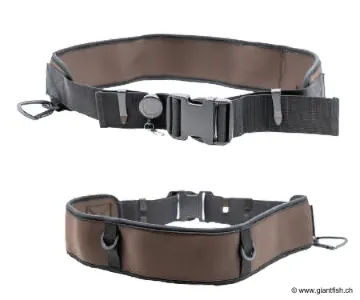
Devaux Acces Wading Belt
Devaux Acces Wading Belt – Durable and practical fishing wading belt
23.55 (CHF) incl tax
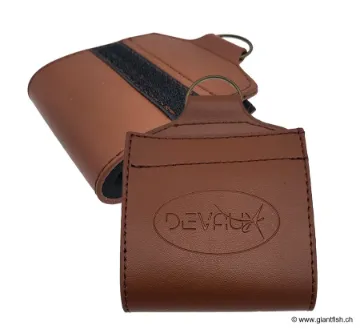
Devaux Nymph Wallet
Devaux Nymph Wallet, durable and practical fly wallet for fly fishing, secure vest attachment, fly protection, high-density foam, compact and long-lasting design
24.45 (CHF) incl tax
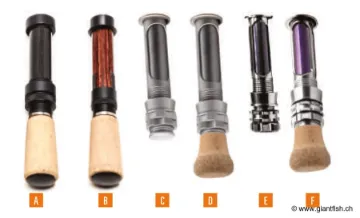
Devaux Fly Reel Seat
Devaux Reel Seat: a reliable and durable mounting accessory, ideal for all fly-fishing enthusiasts seeking performance and robustness.
27.20 (CHF) incl tax
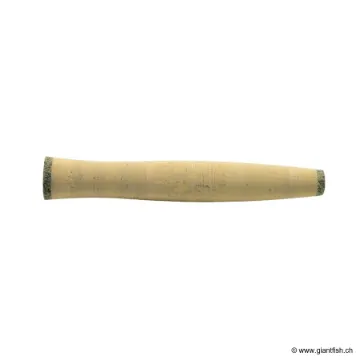
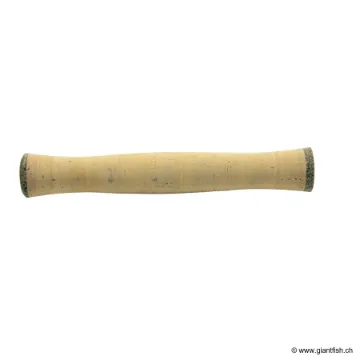
Devaux Shaped Cork Handle
Devaux-shaped cork handle for fly-tying, offering superior comfort and precision.
22.65 (CHF) incl tax
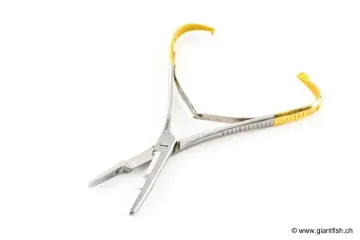
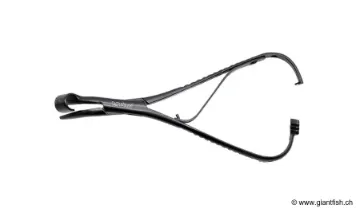
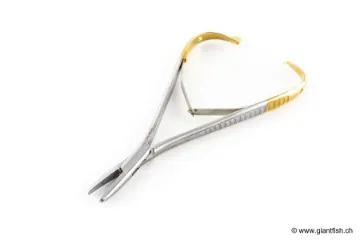
Devaux Forceps
Devaux Forceps, an essential fly fishing tool featuring a built-in line cutter and optimal precision.
19.90 (CHF) incl tax
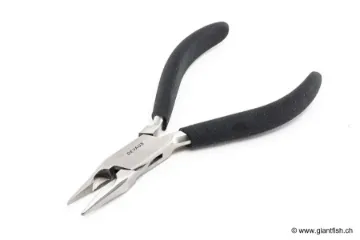
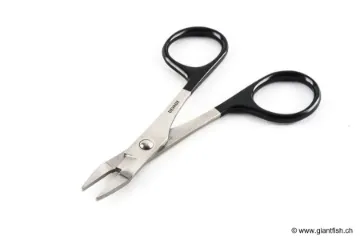
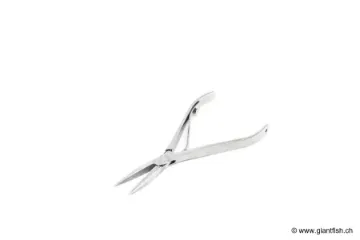
Devaux Barb Flattening Pliers
Devaux Barb Flattening Pliers, an essential fly-fishing tool to flatten barbs and cut metal lines. Durable, precise, ergonomic grip — indispensable for all fly anglers.
9.95 (CHF) incl tax
Fly accessories are essential to get the most out of your fly fishing gear and techniques. When chosen well, they improve your comfort, your efficiency on the water and the lifespan of your rods, reels and flies.
Choosing the right fly accessories for your style
Every fly angler has their own habits. Some focus on delicate dry fly fishing, others on tight-line nymphing or streamers. Your accessories should match these technical choices:
- Dry fly fishing: gels and powder floatants, amadou, tapered leaders and precise nippers.
- Nymph fishing: strike indicators, tippet rings, hi-vis lines, pliers for crimping barbs.
- Streamer fishing: boxes with large compartments, strong leaders, long pliers and safety tools.
By defining your main techniques, you can build a coherent, practical set of accessories without unnecessary extras.
Organization: boxes, tubes and storage
Good organization saves you time on the water and helps you avoid losing gear. Fly storage accessories are especially useful:
- Fly boxes that are waterproof or with micro-slit foam to sort dries, nymphs and streamers.
- Rod tubes and sleeves to protect sections during transport.
- Leader and tippet wallets to keep each diameter clearly identified.
- Vests and chest packs with dedicated pockets for your tools and spools of line.
Clear storage lets you change rigs quickly when conditions or fish activity change.
Essential tools on the water and at the vise
Certain fly accessories quickly become indispensable as soon as you spend time on a river or on the bank of a lake:
- Nippers and fine scissors for clean knots and well-adjusted leaders.
- Pliers and disgorger tools to unhook fish quickly and cleanly.
- Stream thermometer to adapt your techniques to water temperature.
- Tying tools such as bobbins, bobbin holders, whip finish tools and bodkins for those who tie their own flies.
These small accessories, tucked into your vest, make a big difference to the quality of your fishing and your presentation.
Adjusting your fly accessories to the seasons
The season influences your gear needs. In spring, anglers tend to favor small dry fly boxes and fine tippets, while in summer, water-safe sunscreen, polarized sunglasses and hats with a strap become important. In fall, plan for more nymphs and streamers, as well as accessories for fishing deeper. In winter, suitable gloves, warm layers and a good headlamp are useful additions to your fly accessories.
Updating your selection of accessories regularly according to the season helps you stay effective all year long.
Fly accessories FAQ
Which fly accessories are really essential for beginners? To start, focus on a good fly box, nippers, pliers, a few leaders and tippet spools, plus a floatant for dry flies. You can then add more according to your fishing style.
How many fly boxes do you need? Two or three boxes are enough for most situations: one for dries, one for nymphs and optionally one for streamers. The key is to organize your patterns clearly so you can find them quickly.
Do you need different accessories for rivers and lakes? The basics are the same, but on lakes you often use more streamers, intermediate or sinking lines and therefore larger boxes and appropriate leaders. On rivers, accessories are more focused on finesse and precision.
How do you care for your fly accessories? Regularly rinse any gear that comes into contact with water, leave boxes open to dry after your trip and check the condition of pliers, nippers and zippers. Simple maintenance extends the life of your accessories.
Payment options


