









Cookies help us deliver our services. By using our services, you agree to our use of cookies.
Search
[CHF] Swiss Franc
English
- Fishing license
- New Products
- Predator
- Trout
- Fly Fishing
- Carp
- Catfish
- Strike
- Sea
-
Clothing
- Fishing jackets
- Hoodies, fleeces & sweaters
- Fishing T-shirts, Polos, and Shirts
- Fishing Pants, Bibs, and Shorts
- Fishing vests and chest packs
- Waders and Hip Boots
- Boots, Shoes & Sandals
- Polarized sunglasses & Accessories
- Caps, Visors & Hats
- Beanies, Neck gaiters & Gloves
- Thermal underwear & Socks
- UV-blocking Clothing and Sun protection accessories
- Various
- Navigation
- Hunting
- Decor & Gifts
- Brands
Filter
Filter by price
Filter by manufacturer
Fly Tying
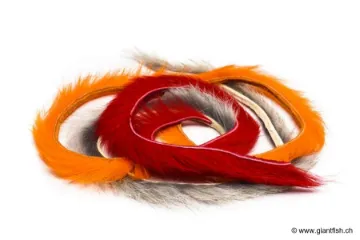

Devaux Zonker Strip
Devaux ZONKER: premium accessory for fly tying, ideal for creating ultra-realistic streamers with exceptional mobility and optimal durability.
4.50 (CHF) incl tax
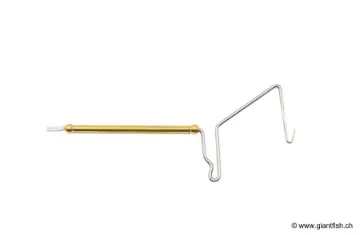
Devaux Rotating Whip Finish
Devaux Rotating Whip Finish, an essential finishing tool for fly tying — precision and reliability.
6.30 (CHF) incl tax
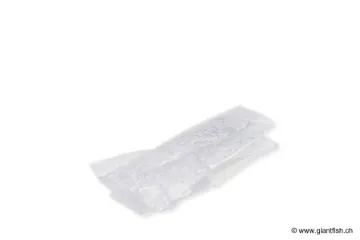
Devaux Zinc for Wings
Devaux Zinc for Wings, fly-tying accessory for fly fishing.
4.50 (CHF) incl tax
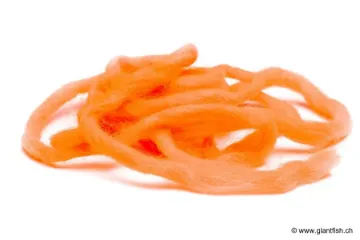
Devaux EGG YARN Synthetic Fiber
Devaux EGG YARN: dense synthetic fiber, ultra-realistic for fly egg tying
4.50 (CHF) incl tax
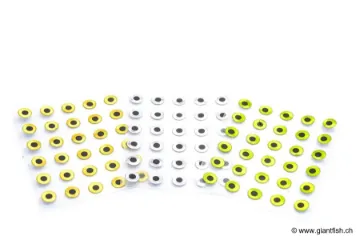
Devaux Adhesive Eyes
Devaux Adhesive Eyes – Ideal accessory for fly tying, ensuring optimal realism and attraction.
5.95 (CHF) incl tax
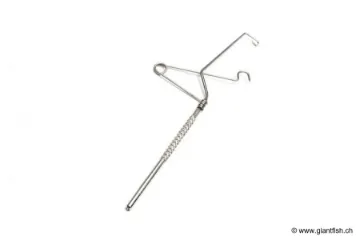
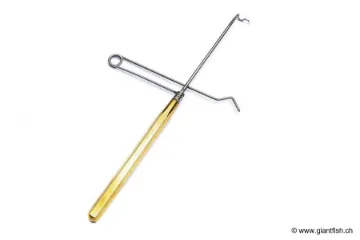
Devaux WHIP FINISHER Knot Finisher
Devaux WHIP FINISHER, a finishing tool for fly-tying for demanding anglers.
4.95 (CHF) incl tax
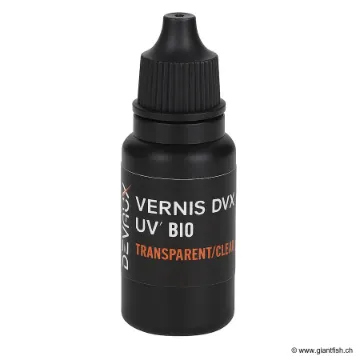
Devaux UV'BIO Varnish
Devaux VARNISH UV'BIO: organic UV varnish, transparent, ideal for fly tying.
10.45 (CHF) incl tax
Devaux UV'KOOL PRO UV Varnish
Devaux UV'KOOL PRO UV varnish: thick, transparent, high-strength varnish for predator fly tying. Easy to apply, fast curing, ideal for professional finishes and increased durability.
18.65 (CHF) incl tax
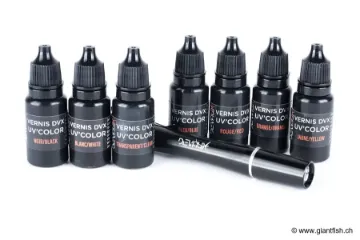
Devaux UV Color Varnish
Devaux UV Color Varnish for fly tying: a fluid UV varnish, instant curing under a UV lamp, smooth and durable finish—ideal for reinforcing, coloring and protecting your flies with precision.
10.45 (CHF) incl tax
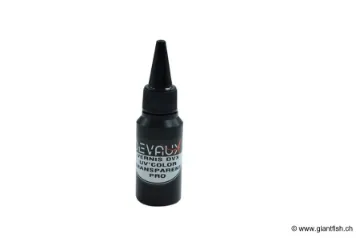
Devaux UV'COLOR PRO Varnish
Devaux UV'COLOR PRO Clear Varnish, an essential accessory for fly tying that delivers a professional finish and long-lasting durability to all your creations.
18.65 (CHF) incl tax
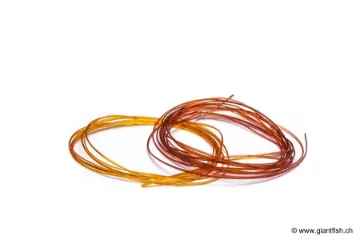
Devaux VINYL RIB Pouch
Devaux VINYL RIB: an innovative material for easily tying semi-translucent, segmented bodies—ideal for wet flies, nymphs and chironomids. High stretch and fine gauge deliver unmatched realism for fly fishing.
4.50 (CHF) incl tax
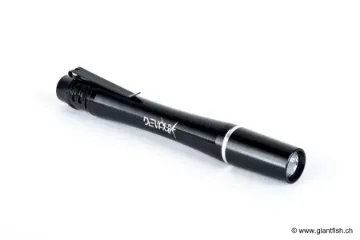
Devaux Lazer UV Lamp DVX
Devaux Lazer UV Lamp: instant curing and a perfect finish for fly tying
14.45 (CHF) incl tax
Fly tying is at the heart of modern fly fishing. On GiantFish.ch, you’ll find all the gear you need to create patterns tailored to your rivers, lakes and fishing styles. Whether you’re just starting out or already an experienced tier, reliable equipment is what makes the difference between a fragile fly and a solid pattern that fishes for a long time.
Choosing the right fly tying materials
The foundation of a good fly starts with quality components. Every element affects the profile, floatability and durability of the fly.
- Fly hooks: dry, nymph, streamer or emerger shapes to cover every technique.
- Tying threads: different diameters and strengths to match hook sizes and the materials you use.
- Feathers and hackles: rooster necks, CDC, marabou, etc. to bring life, volume and movement to your patterns.
- Fur, dubbings and synthetics: for bodies, thoraxes, wings and heads, either flashy or subtle depending on your needs.
- Tying tools: vise, bobbin holder, scissors, whip finisher, hackle pliers and needles so you can work with precision.
Basic techniques for durable flies
Tying technique is just as important as the choice of materials. Good thread control and an even distribution of fibers make for flies that last longer on the water.
- Start with a regular thread base to create a clean underbody.
- Tie in materials in small clumps to avoid bulky, oversized bodies.
- Finish each fly with a secure whip finish and a thin drop of head cement if needed.
- Adjust the proportions of tail, thorax and wings depending on the fly type (dry, nymph, streamer).
Matching your flies to seasons and conditions
Tying your own flies lets you fine-tune color, size and density to match natural food as closely as possible. Early in the season, lightly weighted nymphs or slim wet flies are often very effective. In summer, small dry flies, ants and delicate emergers work well on pressured, educated fish.
In colored water or during high flows, go for more visible streamers and nymphs, using brighter or bulkier materials. Late in the season, heavier, more streamlined patterns help you reach fish holding near the bottom. Fly tying gives you the freedom to quickly adapt your patterns to every situation.
Organizing your fly tying bench
A well-organized workspace makes tying more enjoyable and precise. Sort your feathers, furs and dubbings by color and type, and keep your tools within easy reach. A good, stable, well-adjusted vise is an essential investment for comfortable tying, especially during long winter tying sessions.
Prepare series of flies by theme (dries, nymphs, streamers) to optimize your time and always have a selection ready for your next trips.
FAQ - Fly tying
Q: What basic gear do I need to start fly tying?
A: A simple but stable vise, a bobbin holder, fine scissors, a whip finisher, a few hooks, tying threads, basic feathers and dubbings are enough to get started.
Q: Do I need different threads for dries and nymphs?
A: Yes, it helps to have several diameters. Use fine thread for small dries and emergers, and stronger thread for nymphs, streamers and heavier patterns.
Q: How do I choose the right hook size?
A: Base your choice on the size of the insects or prey you want to imitate. The clearer the water and the spookier the fish, the more it often pays to go down in hook size.
Q: Can I mix natural and synthetic materials?
A: Yes, mixing is very common. Natural materials add realism and movement, while synthetics bring extra flash, buoyancy or durability.
Payment options


