
























Cookies help us deliver our services. By using our services, you agree to our use of cookies.
Search

[CHF] Swiss Franc
English
- Fishing license
- New Products
- Predator
- Trout
- Fly Fishing
- Carp
- Catfish
- Strike
- Sea
-
Clothing
- Fishing jackets
- Hoodies, fleeces & sweaters
- Fishing T-shirts, Polos, and Shirts
- Fishing Pants, Bibs, and Shorts
- Fishing vests and chest packs
- Waders and Hip Boots
- Boots, Shoes & Sandals
- Polarized sunglasses & Accessories
- Caps, Visors & Hats
- Beanies, Neck gaiters & Gloves
- Thermal underwear & Socks
- UV-blocking Clothing and Sun protection accessories
- Various
- Navigation
- Hunting
- Decor & Gifts
- Brands
Filter
Filter by price
Filter by manufacturer
Electric boat motors
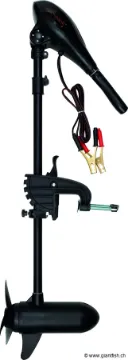

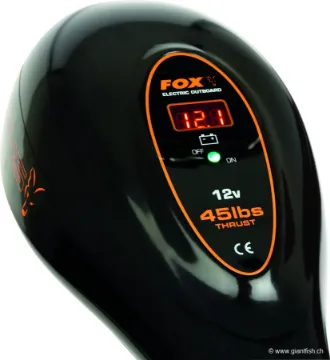
FOX 45 Engine Electric Trolling Motor - 12V - 45 lbs - 81 cm - 3-Blade Prop
FOX 45 Engine 12V electric fishing motor, with a 3-blade propeller and 45 lb thrust for precise boat propulsion.
2.55 (CHF) incl tax
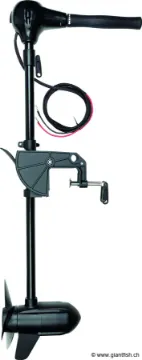
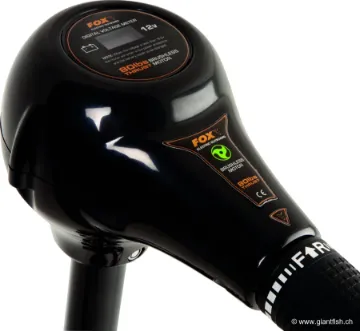
Moteur électrique FOX 80 Engine - 12V - 80 lbs - 115 cm - BL Engine
The Fox 80 Engine electric motor is a 12 V brushless motor designed to deliver precise, steady propulsion, with 80 lb of thrust, ideal for boat fishing and fine maneuvering.
4.20 (CHF) incl tax
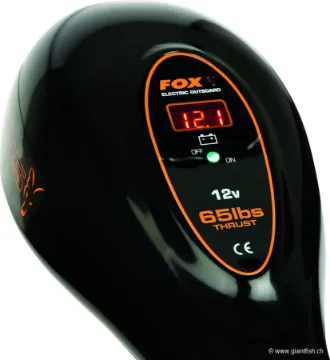
FOX 65 Engine Electric Fishing Motor - 12V - 65 lbs - 81 cm - 3 blade prop
Le electric fishing motor FOX 65 Engine in 12 V with 65 lb thrust and 3-blade propeller, designed for trolling and precise maneuvers while fishing.
2.55 (CHF) incl tax
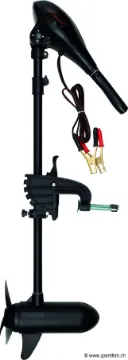
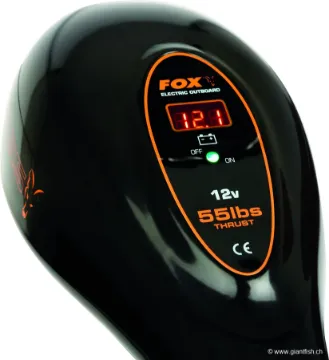
Fox 55 Electric Motor - 12V - 55 lbs - 81 cm - 3-blade prop
Fox 55 Engine electric motor for fishing: reliable, quiet, and precise electric propulsion to maneuver your boat and control your drifts at low speed.
2.55 (CHF) incl tax
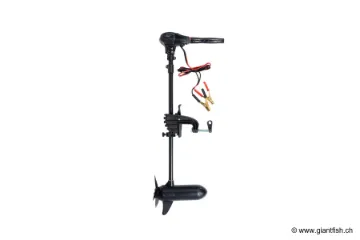
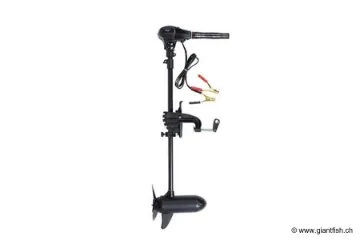
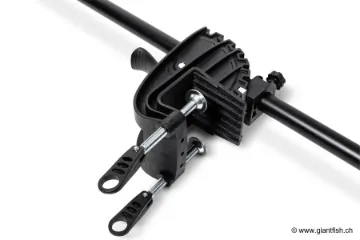
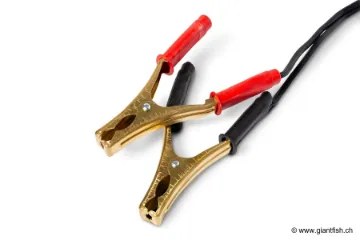
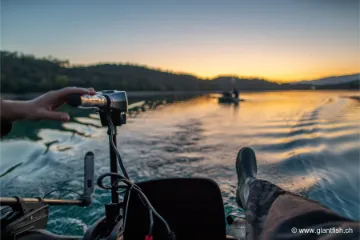
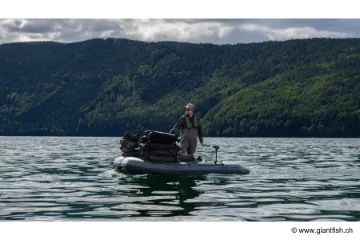
NASH Boat Life Electric Motor
NASH Boat Life electric motor for boats and fishing skiffs, ideal for inflatable and rigid light craft requiring quiet, precise propulsion.
282.90 (CHF) incl tax
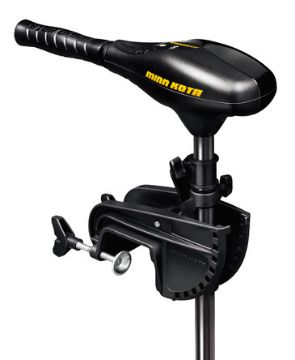
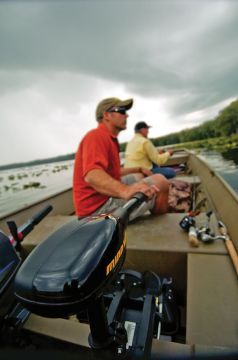
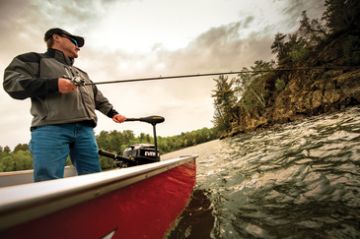
Minn Kota Endura
Moteurs Endura C2 et Max de Minn Kota : Manœuvrabilité et Puissance
225.00 (CHF) incl tax
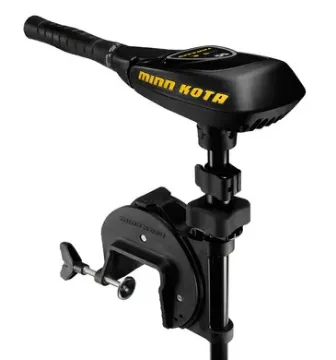
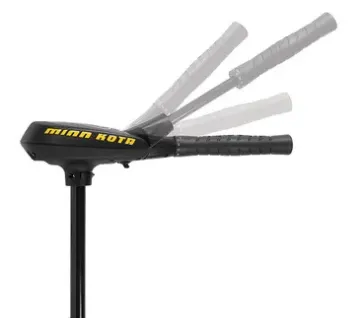
Minn Kota Traxxis
Découvrez les moteurs Traxxis, alliant les qualités reconnues des Endura à des fonctionnalités supplémentaires de pointe.
709.00 (CHF) incl tax
How to choose a trolling motor for your boat
A well-chosen trolling motor can completely change the way you fish. Quiet, precise and easy to use, it helps you control your drift, get back on a spot quickly or follow a shoreline without spooking fish. Your choice mainly depends on the type of boat, the thrust you need and your fishing style.
- Thrust in lbs: the heavier and more loaded the boat, the more thrust you need. An undersized motor will lack responsiveness, especially in wind or current.
- Voltage: 12 V for small boats, 24 V or more for heavier boats or intensive anglers.
- Shaft length: match it to your boat's freeboard so the prop stays well submerged, even in choppy water.
- Environment: some motors are designed for freshwater only, others offer better resistance in salt or brackish water.
Types of electric motors for fishing
The main options are transom-mount motors fixed to the back of the boat and bow-mount motors controlled by foot pedal or remote. Each has its advantages depending on how you fish and how your boat is laid out.
- Transom-mount motor: simple to install, ideal for small boats, dinghies or as a backup motor. It is usually steered with a telescopic tiller handle.
- Bow-mount motor: offers very precise boat control, great for vertical fishing, slow trolling or power fishing along shorelines.
- Advanced features: depending on the model, you can get variable speed control, battery level display, or assisted drift modes.
Batteries, runtime and maintenance
For the best experience with a trolling motor, you need a battery that is properly sized and well maintained. Capacity is measured in amp-hours and directly determines how long you can stay on the water.
- Capacity: choose enough capacity to cover the average length of your trips, with a safety margin.
- Battery type: lead-acid, AGM or lithium, each with its pros and cons in terms of weight, lifespan and budget.
- Charging: use a quality charger suited to your battery type, and avoid repeated deep discharges.
- Maintenance: rinse the motor after every trip in saltwater, check the prop and wiring, and inspect all connections regularly.
Fishing techniques and seasons
A trolling motor lets you fine-tune many fishing techniques. In spring and summer, it helps you follow shorelines and weed beds when fishing with spinning gear or soft plastics. In fall and winter, it makes slow vertical drifts or jigging over drop-offs and deeper holes much easier.
- Fast coverage: adjust speed to work large areas with jerkbaits, crankbaits or shads.
- Controlled drift fishing: maintain a steady speed despite the wind to keep the right presentation angle.
- Precision fishing: constantly correct the boat position over a piece of structure, a stump or a marked shallow hump.
FAQ - Boat trolling motors
What size trolling motor do I need for my boat?
The required thrust depends on total weight on board, boat size and how you use it. For comfortable handling, it is better to have a bit more thrust than not enough, especially if you often fish in wind or current.
How long will a battery last with a trolling motor?
Runtime varies with battery capacity, speed setting and weather conditions. A properly sized battery will let you fish for several hours, as long as you do not run the motor at full power all the time.
Do I need a specific motor for saltwater?
Some models are built to better resist corrosion. If you regularly fish in salt or brackish water, choose a suitable motor and rinse it thoroughly after every trip.
Can I install a trolling motor on my boat myself?
Most transom-mount models are easy to install on your own. For a bow-mount motor or more complex wiring, it can be helpful to get assistance or follow the manufacturer's recommendations very carefully.
Payment options


