























Cookies help us deliver our services. By using our services, you agree to our use of cookies.
Search

[CHF] Swiss Franc
English
- Fishing license
- New Products
- Predator
- Trout
- Fly Fishing
- Carp
- Catfish
- Strike
- Sea
-
Clothing
- Fishing jackets
- Hoodies, fleeces & sweaters
- Fishing T-shirts, Polos, and Shirts
- Fishing Pants, Bibs, and Shorts
- Fishing vests and chest packs
- Waders and Hip Boots
- Boots, Shoes & Sandals
- Polarized sunglasses & Accessories
- Caps, Visors & Hats
- Beanies, Neck gaiters & Gloves
- Thermal underwear & Socks
- UV-blocking Clothing and Sun protection accessories
- Various
- Navigation
- Hunting
- Decor & Gifts
- Brands
Filter
Filter by price
Filter by manufacturer
Rod Holders
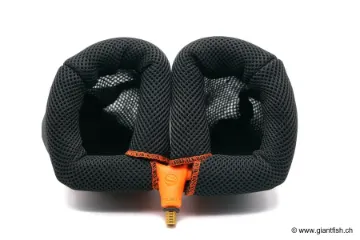

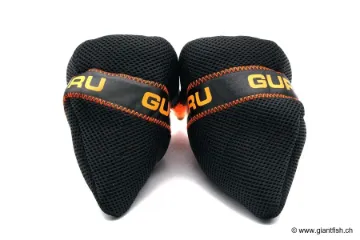
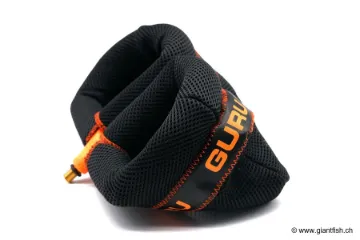
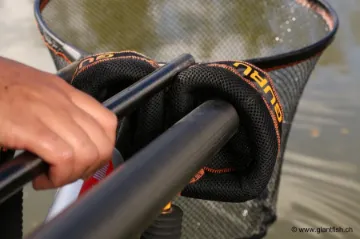
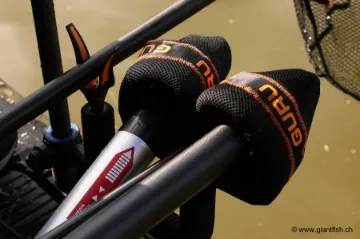
Guru Reaper Pole Sock
Guru Reaper Pole Sock – Ingenious support to preserve and secure your fishing rod sections, featuring an EVA structure and multiple holding options. Ideal for optimizing the protection and organization of your gear during fishing sessions and travel.
20.00 (CHF) incl tax
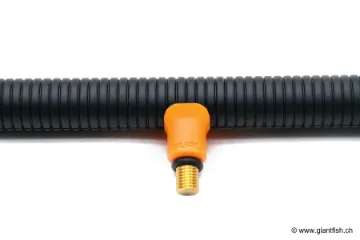
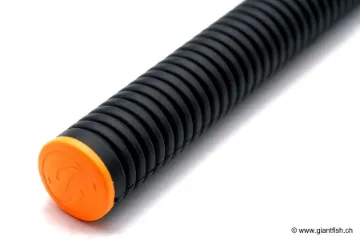
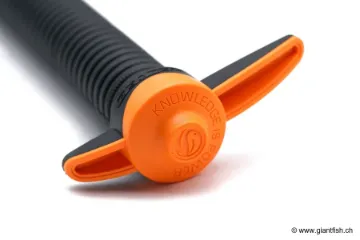
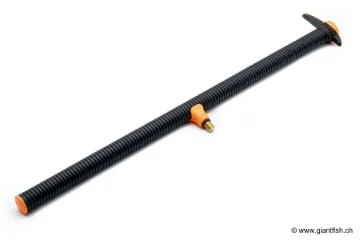
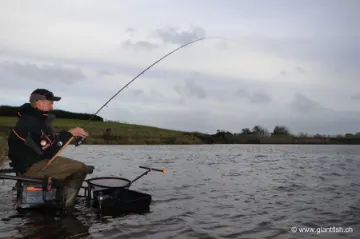
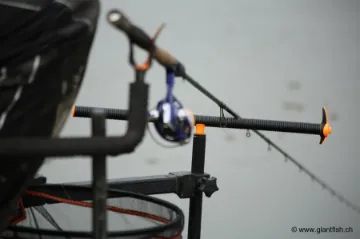
Support Cannes Avant Guru Reaper Rest XL
Guru Reaper Rest XL: precision rod rest for feeder fishing, assured stabilization, optimal efficiency.
27.25 (CHF) incl tax
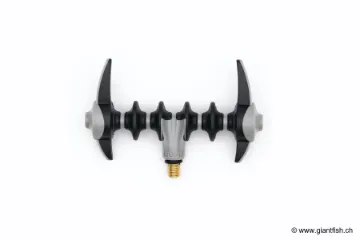
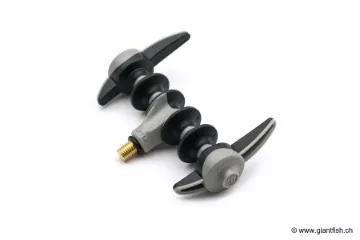
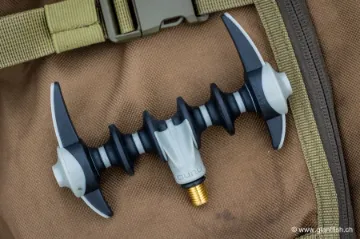
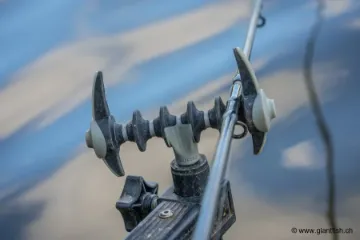
Guru Mini Stealth Reaper Rest Rear Rod Support
Guru Mini Stealth Reaper Rest: compact, robust, and universal fishing rod support
12.75 (CHF) incl tax
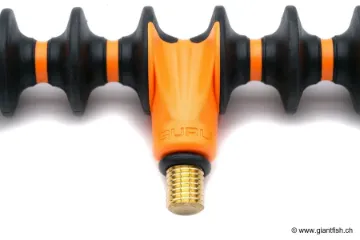
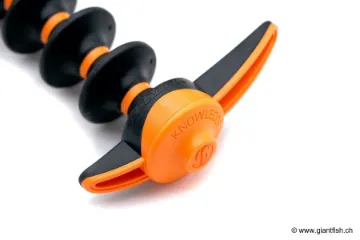
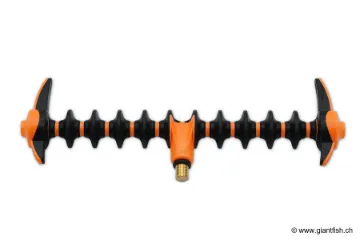
Support Cannes Avant Guru Front Reaper Rest
Guru Front Reaper Rest: innovative and robust rod rest for demanding anglers, provides secure and adjustable hold, ideal for all techniques.
17.30 (CHF) incl tax
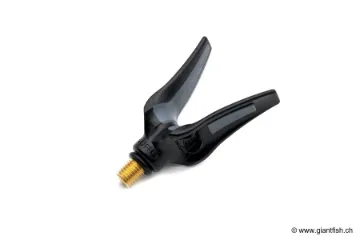
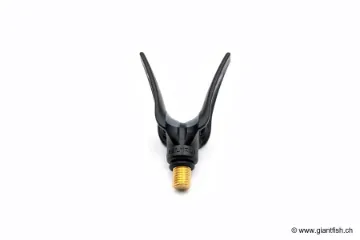
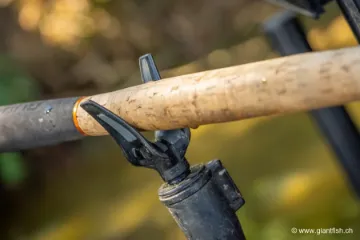
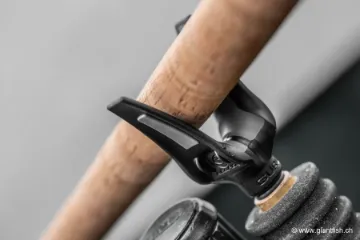
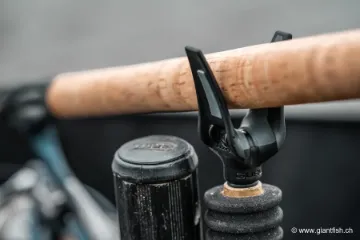
Support de Canne Arrière Guru Mini Stealth Reaper Rear Rest
Guru Mini Stealth Reaper Rear Rest, robust and efficient rear rod support for demanding anglers
5.90 (CHF) incl tax
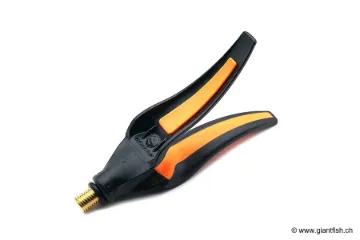
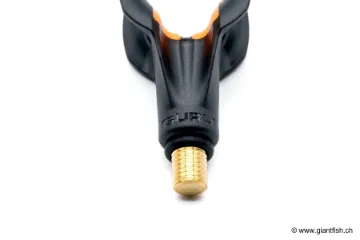
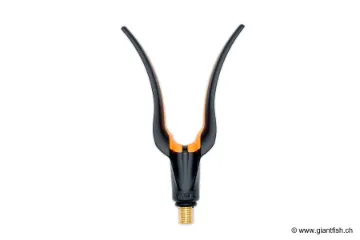
Guru Rear Reaper Rest Rod Holder
Guru Rear Reaper Rest: high-security fishing rod holder with optimal stability, ideal for all techniques
9.10 (CHF) incl tax
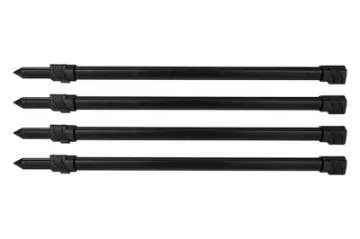
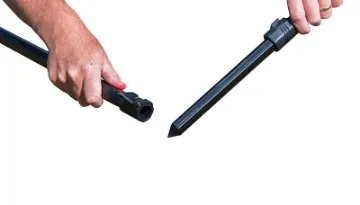
Matrix Freeflow Roller Leg Extensions x4
Extensions de pieds pour rouleau Freeflow
40.90 (CHF) incl tax
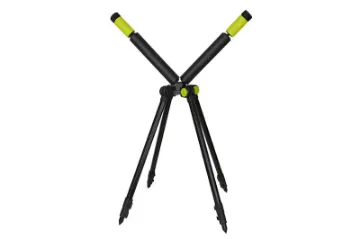
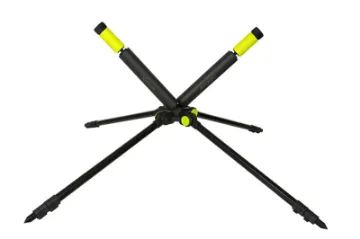
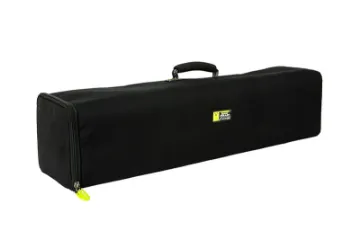
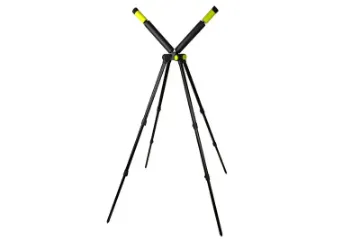
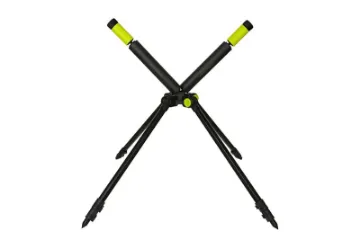
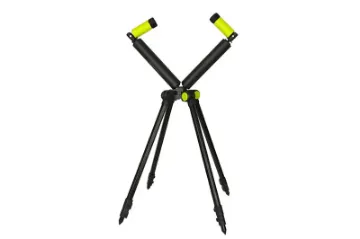
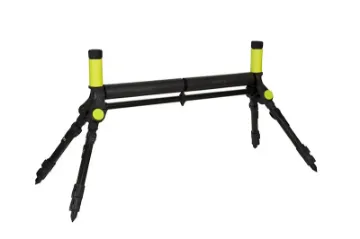
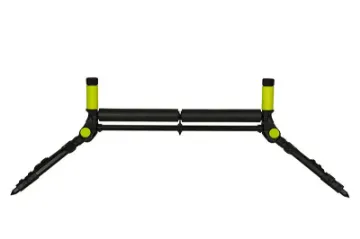
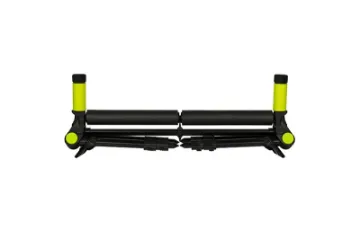
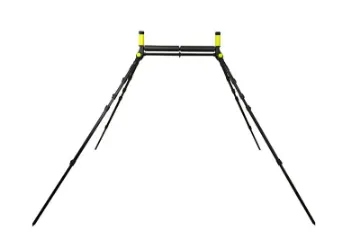
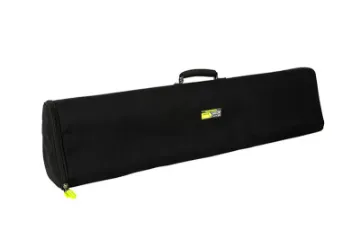
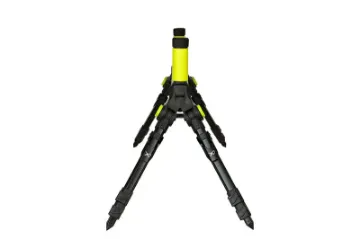
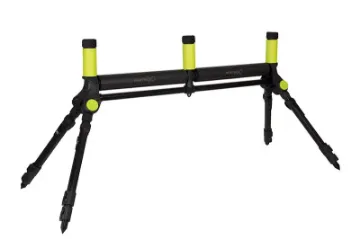
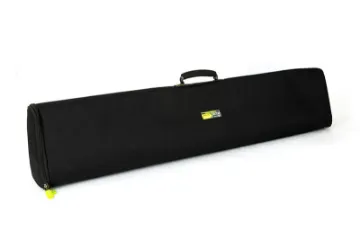
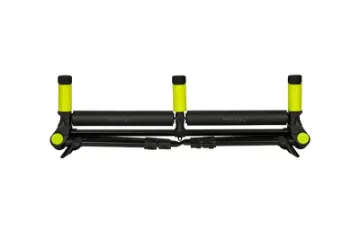
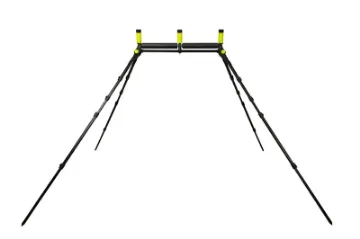
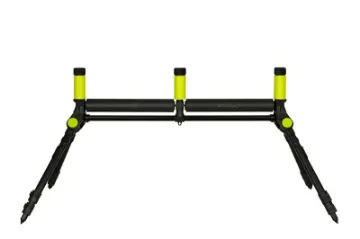
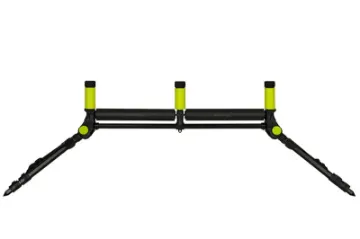
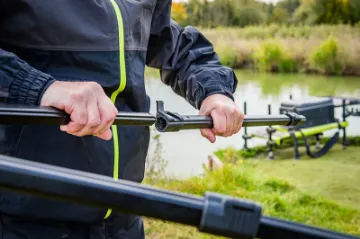
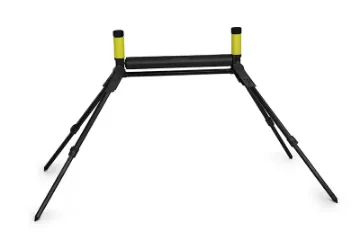
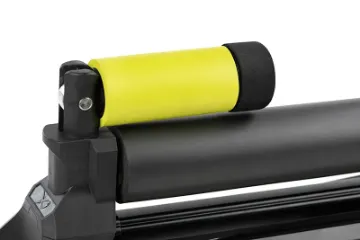
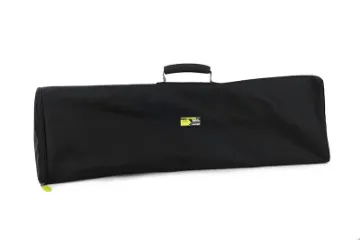
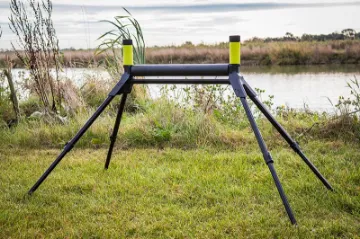
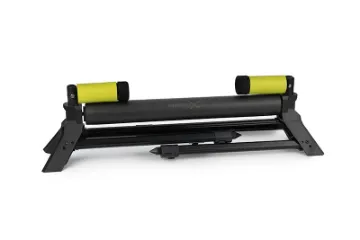
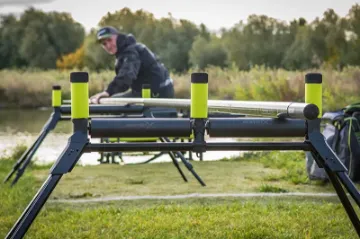
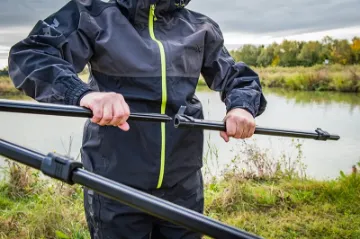
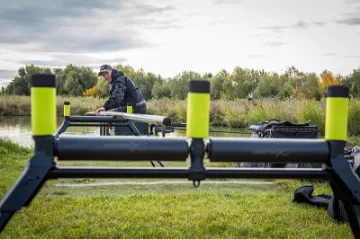
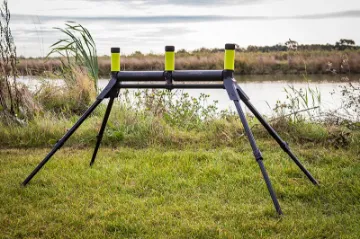
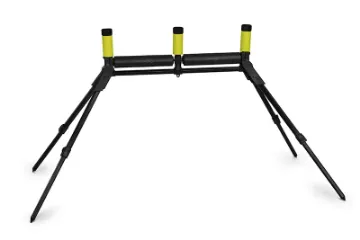
Matrix Double Compact Pole Roller
Pieds extensibles, Rouleaux extrudés en EVA, Roulements acier inoxydable, Rebords repliables, Intercalaire median, Housse de transport, Extensions compatibles, Largeur 840mm, Poids 3kg, Dimensions replié 840mm x 200mm
100.00 (CHF) incl tax
- 1
- 2
Choosing the right rod supports for coarse and pole fishing
Rod supports are essential if you want to fish comfortably and safely, whether you are coarse or pole fishing on a lake, canal or river. They keep your rod in the correct position, reduce fatigue and help you react quickly when you get a bite.
A good support should provide stability, precise height and angle adjustment, and good compatibility with your seatbox station or banksticks. The model you choose depends on your technique, the type of bank you are fishing from and the weather conditions, especially wind and current.
The main types of rod supports
There are several families of rod supports so you can adapt your setup to every coarse and pole fishing situation.
- Simple banksticks: pushed into the bank, they are lightweight, quick to set up and perfect when you need to move regularly along your swim.
- Rod rests and rest heads: screw directly onto banksticks or station arms. They hold the rod gently in place, with V-shaped, U-shaped or grooved anti-slip designs.
- Front and side station supports: designed to hold the rod in front of you or to the side, ideal for long poles or precision styles of coarse fishing.
- Buzz bars and crossbars: allow you to position several rods or create a very stable support on uneven banks.
Depending on how you fish, you can combine several solutions: a sturdy bankstick for the front of the rod, backed up by a rear support for extra security.
Positioning your rods according to the swim and season
On canals or stillwaters, a stable rod support keeps your rig perfectly in place, especially when the water is calm. On rivers or in strong current, longer banksticks and supports angled down towards the water help reduce wind resistance on the tip.
In cold weather, when bites are more delicate, a well-adjusted support cuts out unwanted vibrations and makes it easier to read the slightest movement on the float. In summer, during long sessions, good rod positioning reduces fatigue and makes fishing more enjoyable.
Care and durability of your rod supports
To extend the life of your supports, rinse regularly any parts that have been in contact with mud and sand, then dry them before putting them away. From time to time, check that screws and joints are tight, especially on adjustable arms and buzz bars.
Aluminium and other strong alloys offer an excellent compromise between weight and strength. Support heads with a soft coating protect the rod blank and reduce slipping, even in the rain.
FAQ - Rod supports
Which rod support should I choose to start coarse or pole fishing?
To start, a simple kit with two adjustable banksticks and V or U-shaped rod rest heads is more than enough. You can then add station arms or a buzz bar as your fishing develops.
Do I need different supports for rivers and lakes?
On rivers, go for longer banksticks and supports that let you angle the rod to manage the current more effectively. On calm lakes or canals, shorter, more compact models are usually sufficient.
How can I stop the rod from slipping off the rest?
Choose rest heads with an anti-slip coating and set the angle so that the rod sits securely in the cradle of the support, without putting excessive pressure on the blank.
Payment options


