





















Cookies help us deliver our services. By using our services, you agree to our use of cookies.
Search

[CHF] Swiss Franc
English
- Fishing license
- New Products
- Predator
- Trout
- Fly Fishing
- Carp
- Catfish
- Strike
- Sea
-
Clothing
- Fishing jackets
- Hoodies, fleeces & sweaters
- Fishing T-shirts, Polos, and Shirts
- Fishing Pants, Bibs, and Shorts
- Fishing vests and chest packs
- Waders and Hip Boots
- Boots, Shoes & Sandals
- Polarized sunglasses & Accessories
- Caps, Visors & Hats
- Beanies, Neck gaiters & Gloves
- Thermal underwear & Socks
- UV-blocking Clothing and Sun protection accessories
- Various
- Navigation
- Hunting
- Decor & Gifts
- Brands
Filter
Filter by price
Filter by manufacturer
Feeders
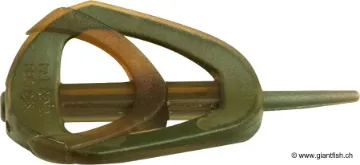

FOX Carp Compact Feeder
Compact Fox in-line feeder for carp fishing: designed for a safer release rig, precise baiting and consistent bait presentation.
3.70 (CHF) incl tax
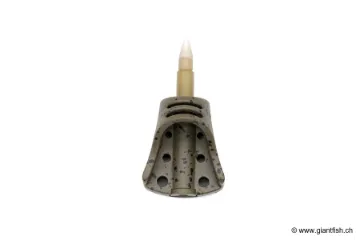
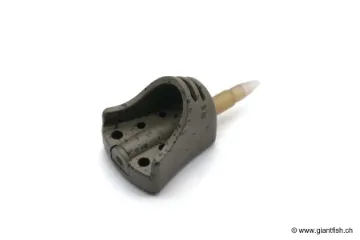
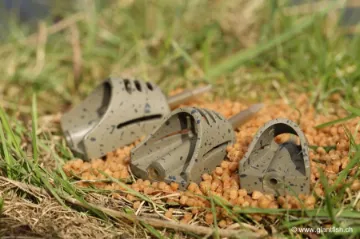
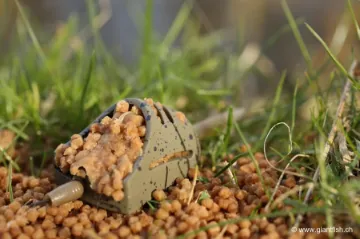
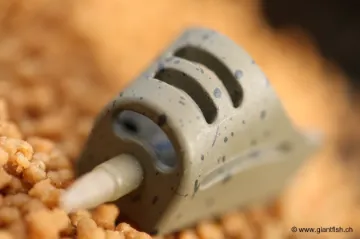
Feeder Guru Mini Pellet
Guru Mini Pellet Feeder 24g: compact and innovative fishing feeder for precise feeding. Designed by Guru to optimize your feeder performance in commercial fishing or leisure fishing.
3.65 (CHF) incl tax
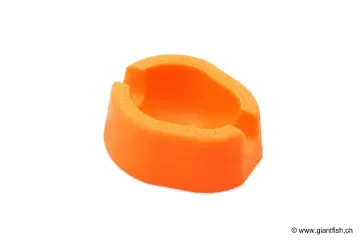
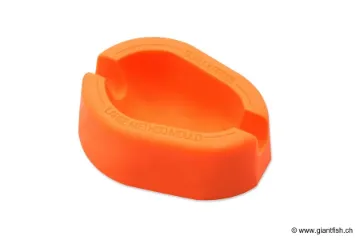
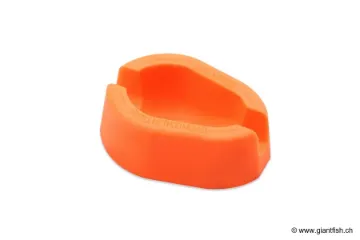
Moule Feeder Guru X-Press Method Mould
Guru X-Press Method Mould Large: High-performance mould for method feeder, designed for optimal efficiency and easy preparation of your baits.
4.55 (CHF) incl tax
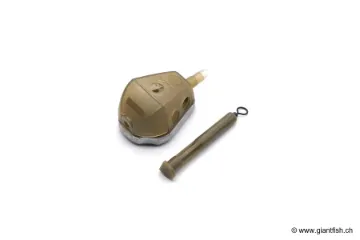
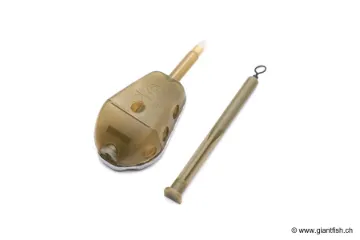
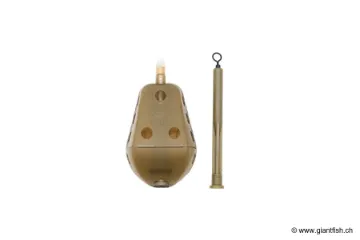
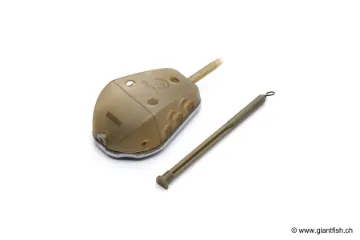
Feeder Guru Maggot
Guru Maggot Feeder Mini 20g, efficient and accurate bait dispenser for feeder fishing. Ideal for anglers demanding precision, efficiency, and versatility.
4.10 (CHF) incl tax
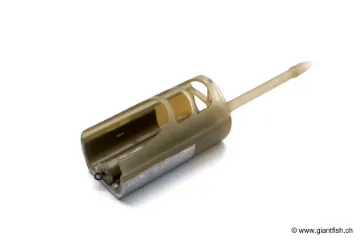
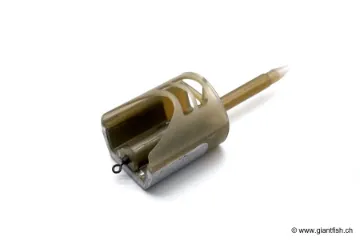
Feeder Guru X-Safe Pellet
Guru Pellet Feeder 28g X-Safe – High-performance bait dispenser for fishing
3.65 (CHF) incl tax
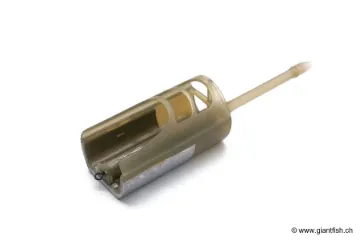
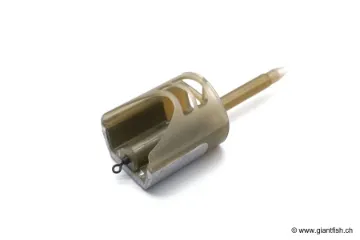
Feeder Guru Pellet Inline
Guru Pellet Feeder In-Line 28g: High-capacity pellet feeder for demanding anglers
3.65 (CHF) incl tax
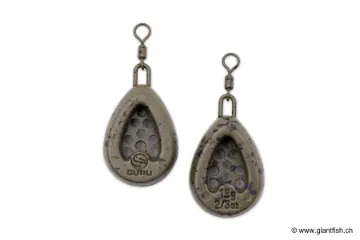
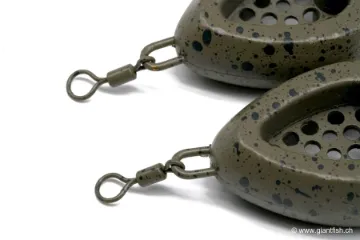
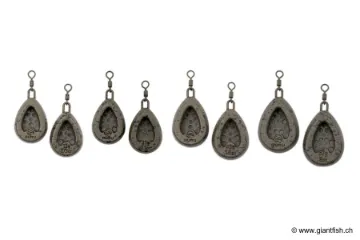
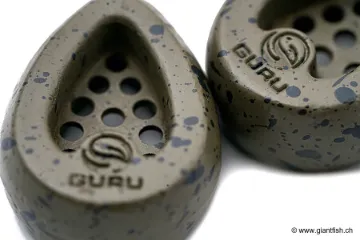
Lead Feeder Guru Impact Bomb
Guru Impact Bomb: innovative feeder fishing weight with integrated bait system, ideal for all waters
5.75 (CHF) incl tax
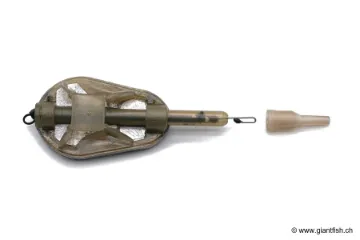
Method Feeder Guru X-Safe System
Guru 28g Large Method Feeder X-Safe System – Robust and innovative feeder for precision fishing
3.65 (CHF) incl tax
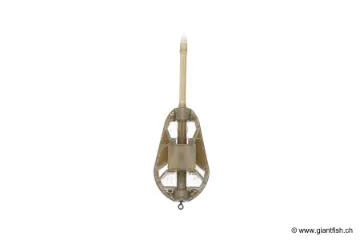
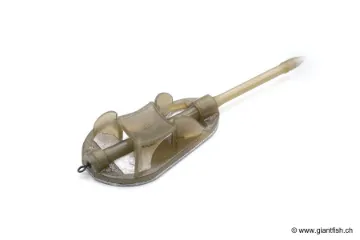
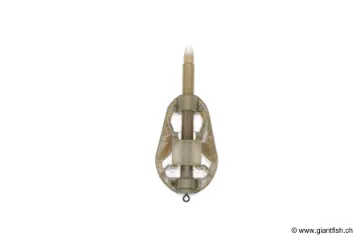
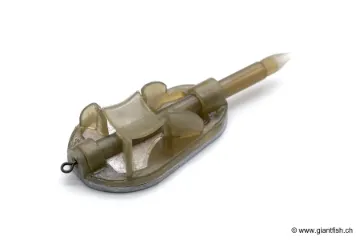
Method Feeder Guru Inline
Guru 28g Large Method Feeder In-Line – Innovative feeder for effective long-distance fishing
3.45 (CHF) incl tax
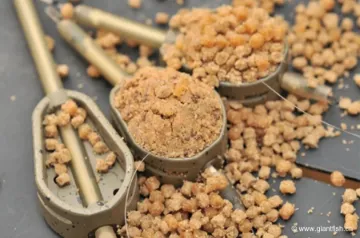
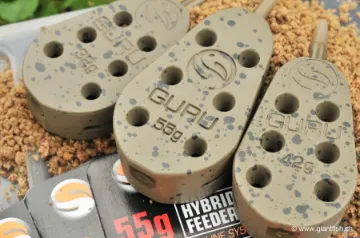
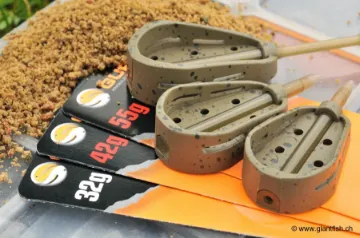
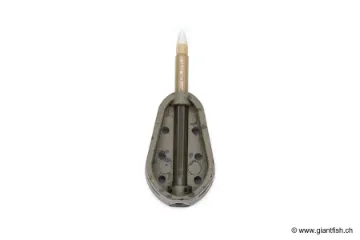
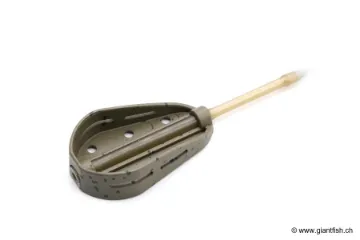
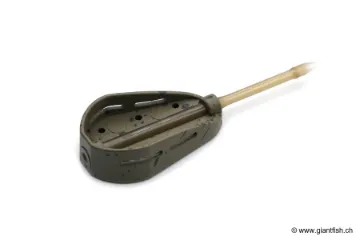
Feeder Guru Hybrid Inline
Guru 18g Mini Hybrid Inline Feeder: Innovative bait cage for feeder fishing. Optimal diffusion, performance design, maximum efficiency.
3.65 (CHF) incl tax
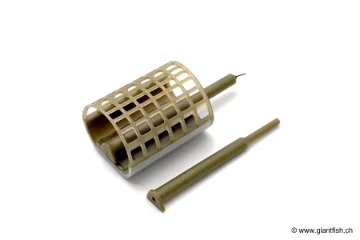
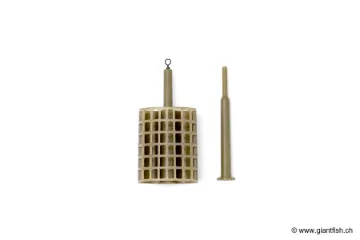
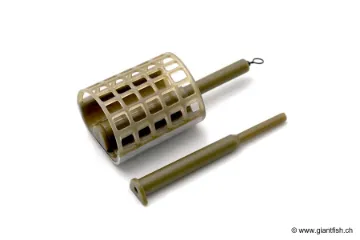
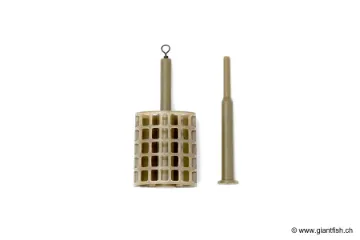
Feeder Guru Gripper
Guru Gripper Feeder 1oz Large: ultra-stable fishing feeder, innovative, long-lasting, ideal for river fishing, discreet presentation, versatile compatibility.
4.55 (CHF) incl tax
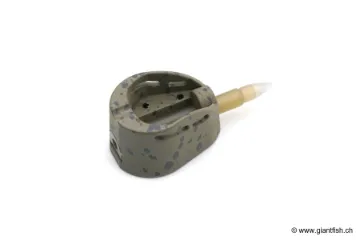
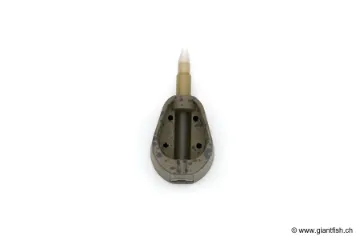
Feeder Guru Extra Distance Hybrid Feeder
Guru Extra Distance Hybrid Feeder, superior long-distance performance, robustness, precision, optimal bait protection for demanding anglers.
3.65 (CHF) incl tax
Feeders are essential for modern bottom fishing with a feeder rod. They let you feed your swim with pinpoint accuracy while presenting your hook bait right next to the groundbait. Whether you fish canals, lakes or rivers, the right feeder often makes the difference when it comes to getting regular bites.
Feeder fishing: how to choose the right feeder
Choosing a feeder comes down to three main criteria: weight, capacity and shape. A feeder that is too light will drift or won't hold bottom, while one that is too heavy will make the fishing uncomfortable and less sensitive. The capacity should match how much bait you want to introduce: small feeders for precise, technical fishing, and larger volumes to pick out better fish or build a swim quickly.
The shape also matters: streamlined models for strong current, open cages for a fast release of groundbait, or more closed feeders when the fish are wary. The goal is to keep a stable, discreet rig that matches your feeding strategy.
Types of feeders: cage, method, open-end and more
- Cage feeder: the most versatile option, ideal for classic groundbaits and fishing for bream, roach or crucians.
- Method feeder: perfect for carp and big fish, used with pellets or sticky groundbait molded around the feeder.
- Open-end feeder: open at both ends, great for rich mixes, particles and chopped baits.
- Inline or swivel-mounted: inline feeders give a more direct presentation, while swivel-mounted versions make quick changes easier.
On GiantFish.ch, you can combine different feeder types to cover most feeder fishing situations, from shallow, calm margins to longer-range spots exposed to wind.
Effective feeder fishing techniques and rigs
Feeder fishing is all about repetition and accuracy. Casting several times to the same spot creates a compact bed of bait. The right hooklength, often longer in cold water and shorter when fish are active, optimizes how your bait is presented.
The most common rigs are the running rig, helicopter rig and inline systems. The idea is to maintain excellent bite indication, whether you are fishing with a quiver tip or a rod specifically designed for feeder fishing.
Seasons, baits and groundbaits for feeder fishing
The season has a big influence on the choice of feeder and feeding approach. In cold water, use smaller feeders, fine groundbaits and very few particles. In warmer periods, you can slightly increase the amount of feed, adding worms, maggots, corn or pellets.
Baits such as maggots, bloodworms, sweetcorn or mini boilies all work very well with feeder tactics. Match hook size and line diameter to the target species and water clarity to get as many bites as possible.
Feeder FAQ
What size feeder should I use? To start, pick medium sizes, then adjust according to fishing distance, depth and current strength. The farther you fish or the stronger the river flow, the heavier your feeder needs to be.
Which type of feeder is best for rivers? On rivers, choose heavier, more streamlined feeders, often metal cage or open-end models, so they hold bottom well and reduce rig drift.
Which groundbait should I use in a feeder? A slightly sticky feeder-specific groundbait is ideal. You can add maggots, chopped worms or pellets depending on the species you are targeting and how active the fish are.
Is the method feeder only for carp? No. Even though it is very popular for carp, the method feeder can also catch bream, crucians and other coarse fish when your groundbait and hook bait are well matched.
Payment options


