





















Cookies help us deliver our services. By using our services, you agree to our use of cookies.
Search

[CHF] Swiss Franc
English
- Fishing license
- New Products
- Predator
- Trout
- Fly Fishing
- Carp
- Catfish
- Strike
- Sea
-
Clothing
- Fishing jackets
- Hoodies, fleeces & sweaters
- Fishing T-shirts, Polos, and Shirts
- Fishing Pants, Bibs, and Shorts
- Fishing vests and chest packs
- Waders and Hip Boots
- Boots, Shoes & Sandals
- Polarized sunglasses & Accessories
- Caps, Visors & Hats
- Beanies, Neck gaiters & Gloves
- Thermal underwear & Socks
- UV-blocking Clothing and Sun protection accessories
- Various
- Navigation
- Hunting
- Decor & Gifts
- Brands
Filter
Filter by price
Filter by manufacturer
Hooks
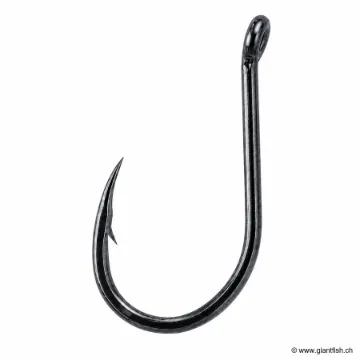

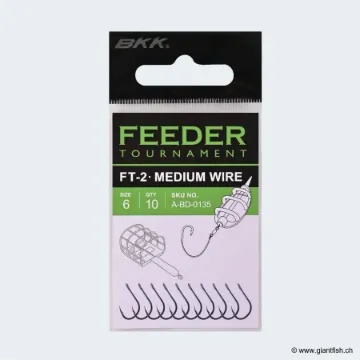
BKK Feeder Tournament FT-2 Carp Hook
BKK FT-2 J-hook designed for feeder fishing: optimized line alignment, extra-long point, and smooth coating for efficient penetration.
2.50 (CHF) incl tax
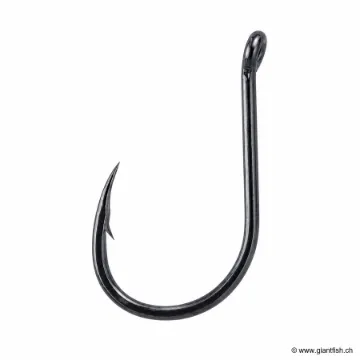
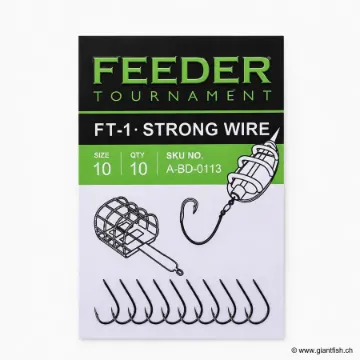
BKK Feeder Tournament FT-1 Carp Hook
BKK Feeder Tournament FT-1 hook designed for feeder fishing, waggler fishing, and pole fishing. Wide gape, highly sharp bevelled point, and smooth dark SS coating to improve penetration and point retention, ideal for hair rigged baits.
2.50 (CHF) incl tax
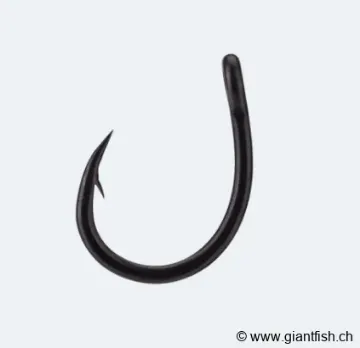
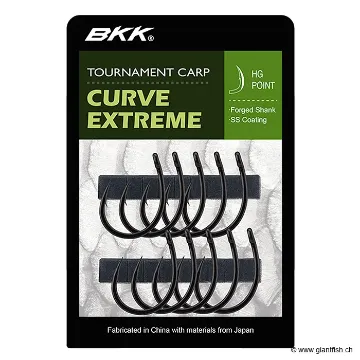
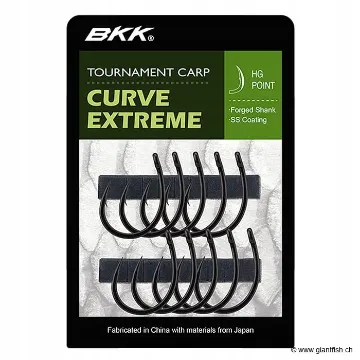
BKK Curve Extreme Carp Hook
The J hook BKK Curve Extreme is designed to offer a wide gape, a controlled curve, and excellent load distribution, helping to improve strength and hooking efficiency on bottom rigs as well as pop-up presentations.
4.20 (CHF) incl tax
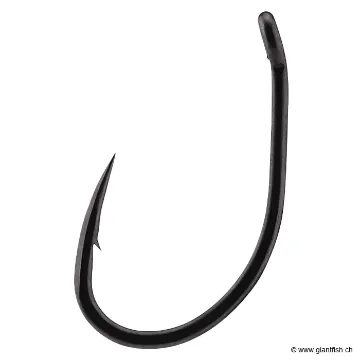
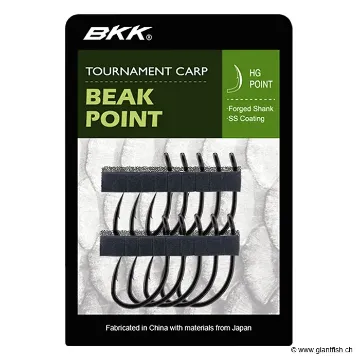
BKK Beak Point Carp Hook
Single BKK Beak Point hook for bait fishing, natural baits, and pop-up presentations.
4.20 (CHF) incl tax
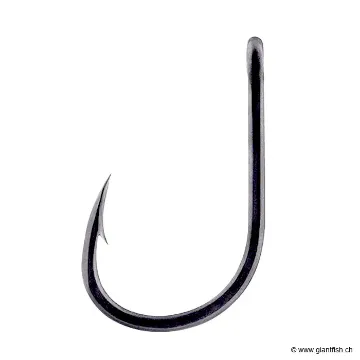
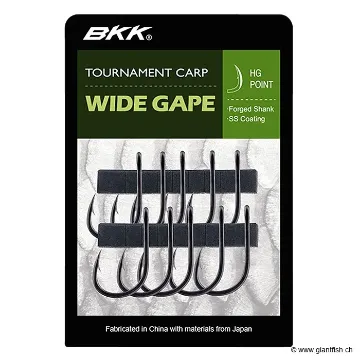
BKK Wide Gape Carp Hook
BKK Wide Gape-R J hook designed for live bait fishing, with a wide gap, needle point, and anti-corrosion coating for a natural presentation and effective hook-up.
4.20 (CHF) incl tax
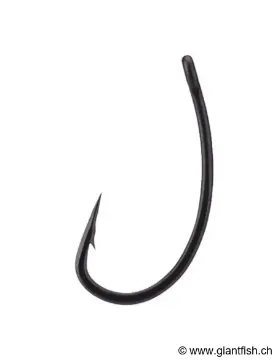
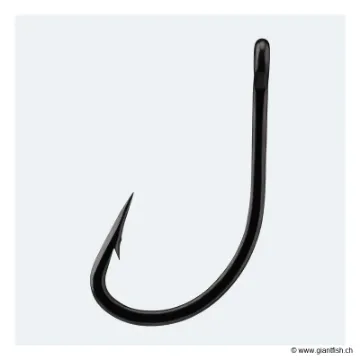
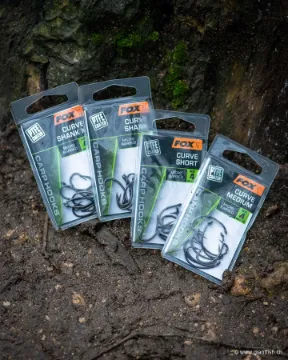
BKK Curved Shank Carp Hook
BKK Curved Shank carp hook: a versatile curved hook designed for bottom rigs as well as pop-up presentations, with a forged shank, super slick SS coating, and Hand Ground point.
4.20 (CHF) incl tax
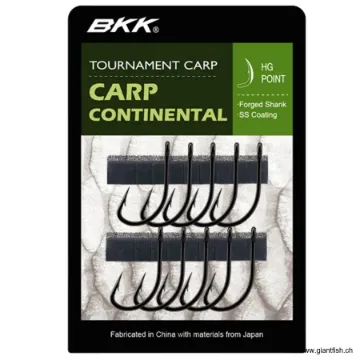
BKK Carp Continental Carp Hook
J-hook designed for carp fishing, built for snaggy waters. Forged short shank, Hand Ground point, and ultra-slick SS coating for fast penetration and reliable holding on pop-up, balanced, and bottom-bait rigs.
4.20 (CHF) incl tax
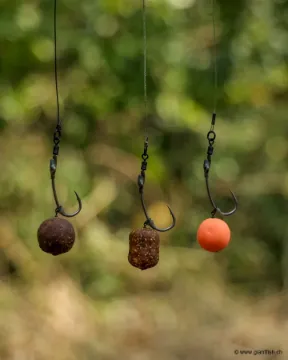
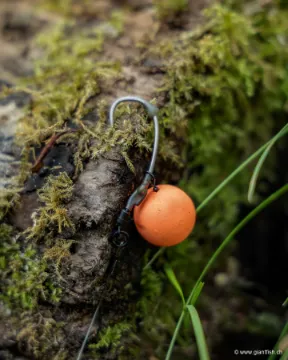
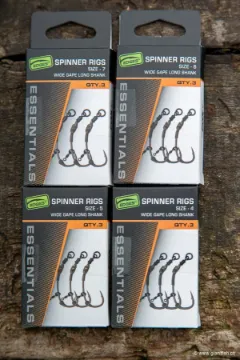
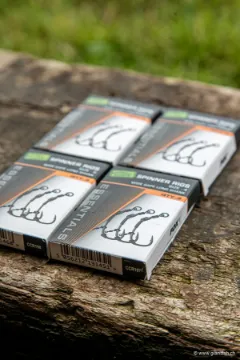
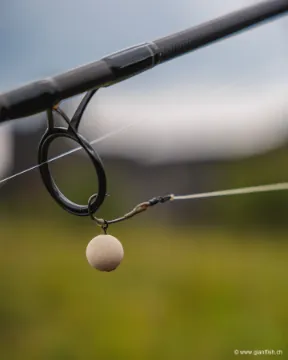
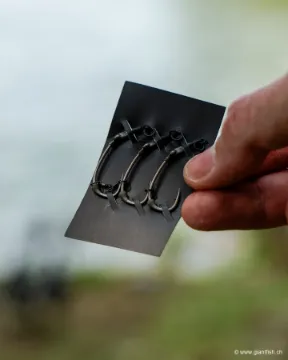
FOX Edges Spinner Rig Hook
Ready-to-fish carp rig in FOX Edges spinner rig style, designed for a neat presentation, efficient hook rotation, and quick setup on the bank.
5.05 (CHF) incl tax
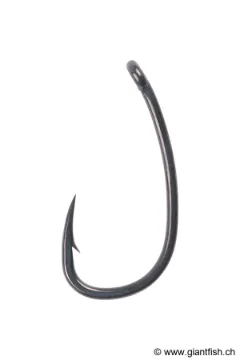
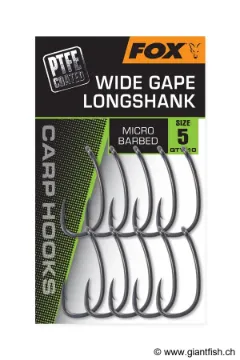
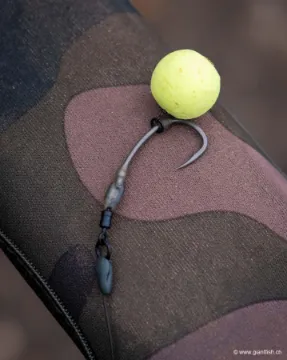
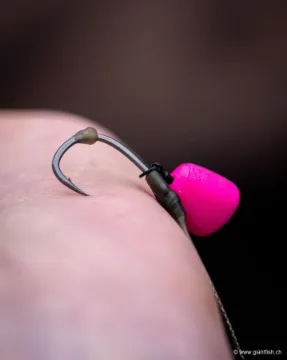
FOX Wide Gape Long Shank Hook
Fox Wide Gape Long Shank Hook: wide gape, long shank, and discreet PTFE coating for reliable hooksets.
3.35 (CHF) incl tax
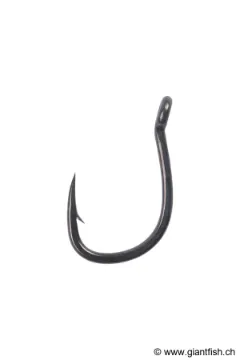


FOX Super Wide Gape Outturned Eye Hook
Fox Super Wide Gape hook with outturned eye: forged steel, low-reflection PTFE coating, durable point, and excellent fish-holding power for carp fishing.
3.35 (CHF) incl tax
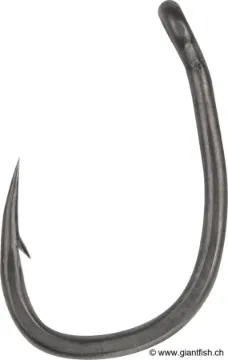
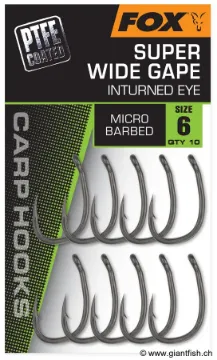
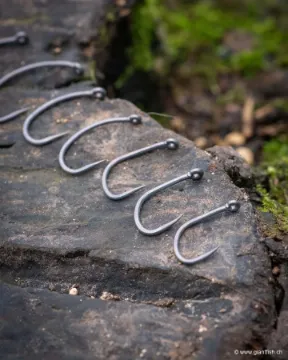
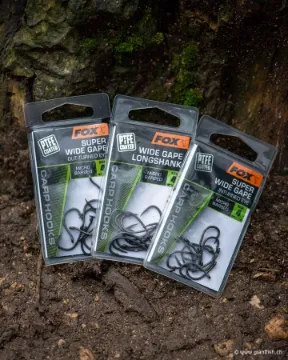
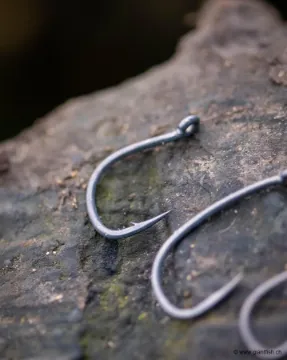
FOX Super Wide Gape Inturned Eye Hook
Fox Super Wide Gape hook with inturned eye: forged steel, discreet PTFE coating, durable point, excellent value for carp fishing.
3.35 (CHF) incl tax

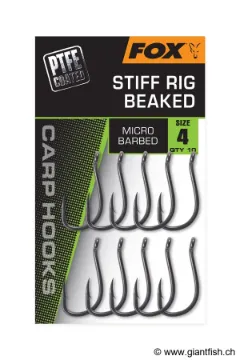
FOX Stiff Rig Beaked Hook
Fox Stiff Rig Beak hook designed for effective stiff rig setups, with a discreet PTFE coating, aggressive beaked point, and robust construction for reliable holding power.
3.35 (CHF) incl tax
Choosing the right hooks for carp fishing
Hook choice is crucial in carp fishing. A pattern matched to the size of the fish, the type of bottom and the rig you use greatly improves hook holds and reduces lost fish. For powerful carp or swims with a lot of snags, heavy wire hooks are preferred, while finer patterns are better suited to subtle, low-visibility approaches on pressured fish.
Hook size is selected according to the volume of the bait (boilies, corn, pellets, pop-ups). As a rule, a medium size suits most situations, while smaller sizes are useful when carp are wary or in cold water.
Shapes, finishes and hooking performance of carp hooks
Each carp hook shape meets a specific need. Wide gape patterns offer a wide, versatile opening, ideal for many rigs. Long shank hooks help the hook turn in the carp’s mouth, while curved shank models are designed to optimize the hooking angle.
- In-turned or out-turned eye to adjust the angle of the hooklink.
- Straight or in-turned point to suit clean or snaggy bottoms.
- Black, Teflon or matt finish for maximum discretion.
A carp hook must remain perfectly sharp: as soon as the point no longer easily catches on your fingernail, it is better to sharpen it carefully or replace it.
Most popular carp hooks and rigs
Certain rigs have become standards in carp fishing. The classic hair rig pairs very well with a wide gape hook. For popped-up presentations, the chod rig or pop-up setups work best with patterns specifically designed to maintain an aggressive angle.
- Hair rig: versatile hook with a wide gape.
- D-rig: in-turned eye hook, perfect for bottom boilies.
- Chod rig: short, heavy wire hook for pop-ups.
- Zig rig: fine wire hook for mid-water fishing.
Matching the hook to the rig and situation allows you to present the bait naturally, while maximizing the chances of a solid hook hold.
Matching your carp hooks to the season and baits
The season directly influences hook choice. In cold water or when carp are feeding very cautiously, smaller, finer and more discreet hooks, combined with modest baits, can trigger more takes. During peak activity periods, stronger hooks provide extra security during hard fights.
- Spring: medium sizes, versatile patterns for boilies and particles.
- Summer: heavy wire hooks for fishing near snags and hard-fighting carp.
- Fall: reliable patterns for rich baits (boilies, pellets).
- Winter: small, discreet hooks and refined rigs.
Whether you use boilies, corn, pellets or floating baits, the right hook ensures a clean alignment between bait and hooklink for convincing presentations.
Carp hook FAQ
What hook size should I use for carp? Anglers most often use medium sizes, adjusted according to bait volume and how wary the fish are. The more discreet the bait or the more difficult the carp, the smaller you can go.
Should I use barbed or barbless carp hooks? The choice depends on the venue and local rules. Barbless hooks make unhooking and releasing fish easier and reduce damage, provided you maintain constant tension during the fight.
When should I replace a carp hook? As soon as the point no longer penetrates your fingernail instantly, or if it shows any bend or corrosion, it is best to change the hook to maintain an optimal hook-up rate.
Payment options


