


























Cookies help us deliver our services. By using our services, you agree to our use of cookies.
Filter
Filter by price
Filter by manufacturer
Luggage
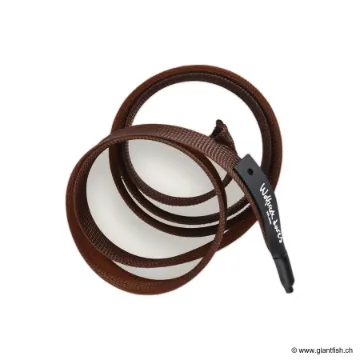
Wolfcreek Lures Damn You Rod Sock
Protective rod sock for casting rods, ideal for transport and storage. It helps reduce friction and micro-scratches, prevents guide snags, and keeps the rod better bundled together.
15.90 (CHF) incl tax
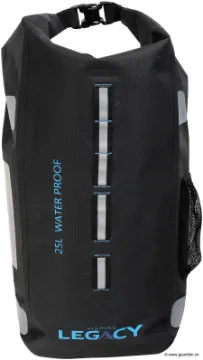
FISHING LEGACY Waterproof Backpack - 25 L
Waterproof fishing backpack by FISHING LEGACY designed to protect your gear from water, sand and dust, featuring functional pockets and comfortable carrying for all your sessions by the water.
92.50 (CHF) incl tax
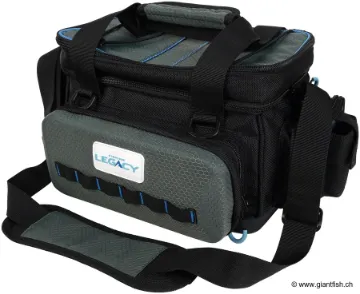
FISHING LEGACY Fishing Bag
Durable, organized Fishing Legacy tackle bag with an adjustable shoulder strap, molded base, side pockets with plier holders and practical compartments to keep all your fishing gear within reach.
92.50 (CHF) incl tax
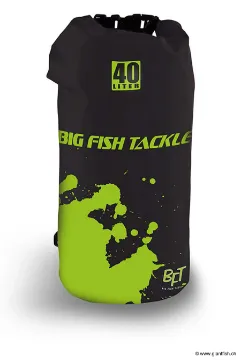
BFT Waterproof Dry Bag - 40‑Liter
BFT waterproof marine bag to keep your fishing gear dry and protected on board, at the seashore or during any outing close to the water.
32.05 (CHF) incl tax
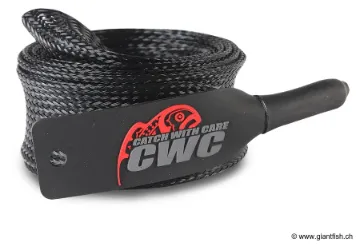
CWC Protective Rod Sock Rod Cover - Casting
CWC protective cover for fishing rods, rod cover type, ideal for securing your equipment during transport and storage.
20.25 (CHF) incl tax
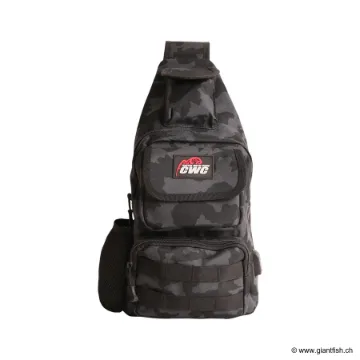
CWC Large Shoulder Bag
CWC urban fishing shoulder bag, lightweight, water-resistant, with net holder and multifunctional carabiner system.
50.40 (CHF) incl tax
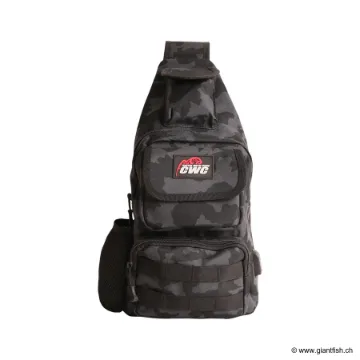
CWC Shoulder Bag
Compact, ergonomic CWC fishing shoulder bag ideal for urban fishing and street fishing, with multiple storage pockets, durable water-repellent material, and an adjustable shoulder strap for comfortable transport of all your small tackle.
30.35 (CHF) incl tax
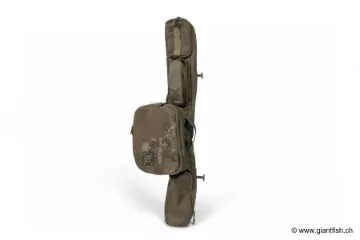
NASH Scope OPS Utility Rod Skin Sleeve
Nash Scope OPS Utility rod sleeve for carp fishing, designed for the discreet transport of multiple rods and essential accessories during fast, mobile fishing in cluttered environments.
80.85 (CHF) incl tax
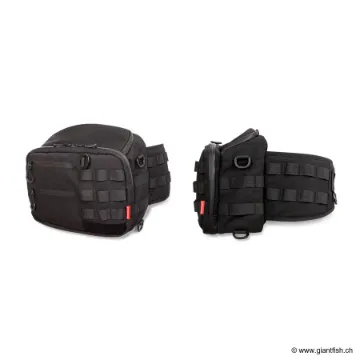
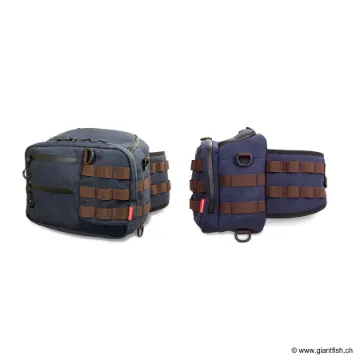
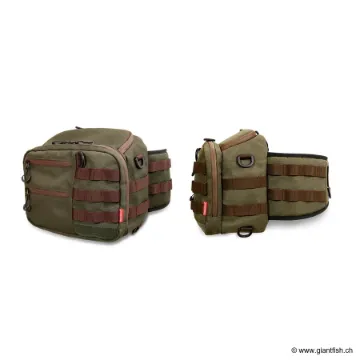
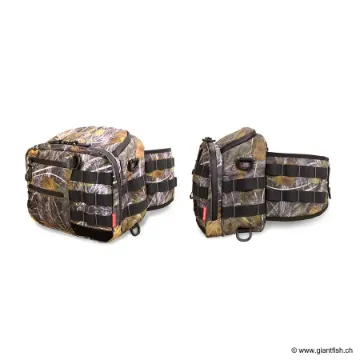
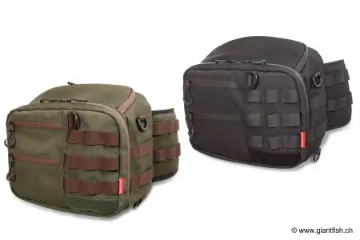
MEGABASS CUSTOM BAG II Fishing Pouch
Megabass Custom Bag II fishing pouch in heavy-duty 900D nylon, offering large storage capacity and quick access to tackle—ideal for mobile shore anglers.
123.35 (CHF) incl tax
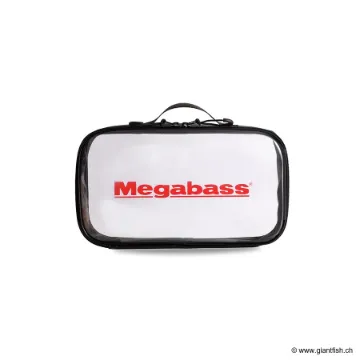
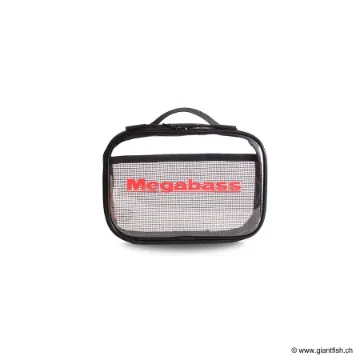
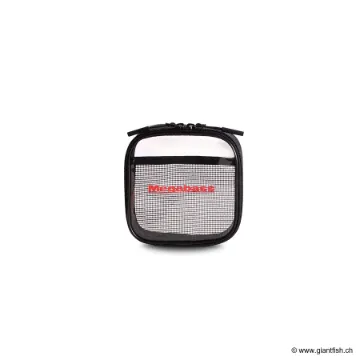
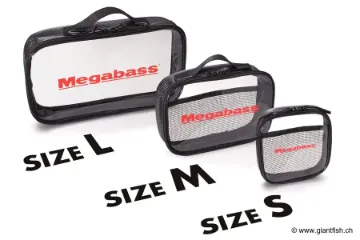
Megabass CLEAR POUCH II Accessory Pouch
Megabass Clear Pouch II transparent storage pouch to organize and protect your accessories, small lures and fishing tools for everyday use.
16.75 (CHF) incl tax
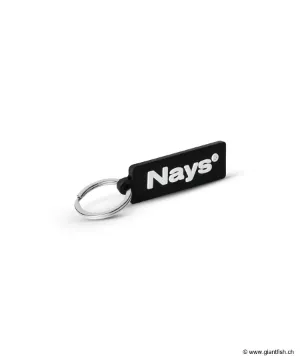
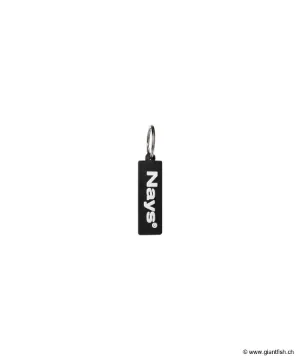
Porte-Clés Nays Key Chain
Nays fisherman keychain – Stylish, durable, and practical accessory for all enthusiasts.
5.00 (CHF) incl tax
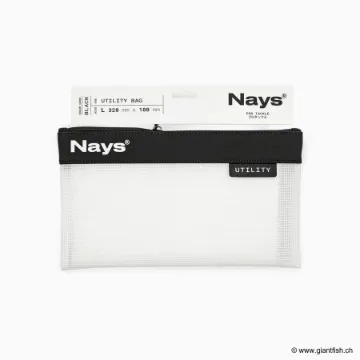
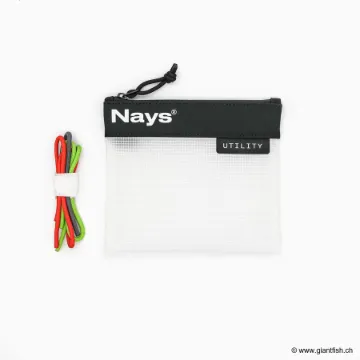
Sac de Rangement Nays Utility Bag
Storage bag Nays Utility Bag for fishermen, durable, modular, and ideal for efficiently organizing all your equipment.
11.35 (CHF) incl tax
Predator fishing luggage: choosing the right gear
Luggage dedicated to predator fishing is essential for protecting your gear and staying organized on the bank or in the boat. Between lures, pliers, leaders and boxes, a suitable storage system saves time and reduces breakage. Choosing fishing luggage that matches your style of fishing, trip length and the amount of tackle you carry is a real advantage.
Before buying, assess how many lure boxes you usually take, the length of your rods, and whether you need a compartment for rain gear, bottles or snacks. A good bag should combine durability, practicality and carrying comfort.
Optimal organization for your lures and accessories
Well-designed predator fishing luggage lets you quickly sort hard baits, soft lures, jig heads and rigging accessories. External pockets are ideal for keeping pliers, scissors, fluoro and wire leaders within easy reach, while the main compartments hold your boxes and pouches.
- Bags and tackle bags for carrying several lure boxes and accessories.
- Sleeves and rod holdalls to protect your rigged rods and reels.
- Small luggage (pouches, cases) for hooks, swivels and jig heads.
Adapt the layout of your storage to your techniques: one area for straight retrieves, another for vertical fishing, another for topwater, for example. You will be more reactive on the water, especially when the fish are active for only a short window.
Comfort, mobility and types of fishing bags
Whether you fish from the bank, by boat or from a float tube, luggage needs are different. Mobile anglers will favor a backpack or sling bag that keeps hands free, while boat anglers can opt for a larger case or bag left on the deck.
- Predator backpack: ideal for walking, it distributes the weight and makes long approaches easier.
- Sling/shoulder bag: perfect for quick or urban sessions, with direct access to your boxes.
- Waterproof bags and pouches: useful in rainy weather or on a boat to protect documents and electronics.
Also pay attention to strap comfort, back padding and the presence of a waist belt for long sessions.
Care and durability of your fishing luggage
Well-maintained fishing luggage stands up better to the seasons, humidity and repeated handling. Rinse regularly the areas in contact with water or salt, let bags and sleeves dry after each trip, and check the condition of zippers and seams.
In cold or very wet conditions, choose tough and, if possible, water-repellent materials to keep your tackle dry. In summer, ventilation and ease of cleaning become a priority to avoid bad odors and oxidation of metal accessories.
Predator fishing luggage FAQ
What bag capacity should I choose for predator fishing? For short trips, a small to medium bag with 2 to 3 boxes is enough. For full days or several techniques, choose a larger volume so you can add clothing, drinks and extra tackle.
Do I need specific luggage for winter or rainy weather? It is recommended to have at least one waterproof bag or pouch to protect papers, phone and sensitive accessories. Water-repellent materials and strong closures improve durability in bad weather.
How can I quickly organize my lures in my luggage? Sort by lure type and running depth into separate boxes, then assign one pocket or compartment per use. Keep the most-used lures in the most accessible storage to limit handling on the bank or in the boat.