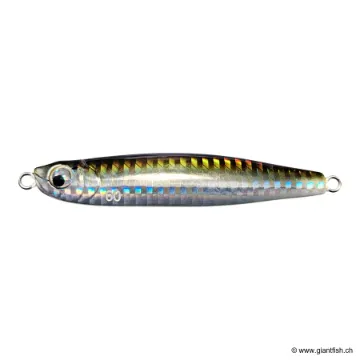
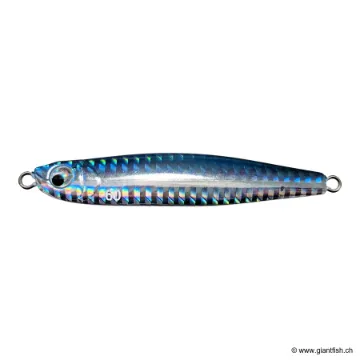
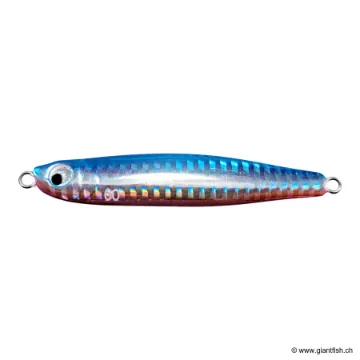
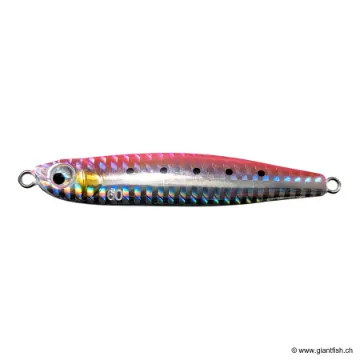
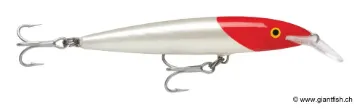
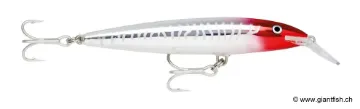
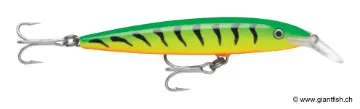
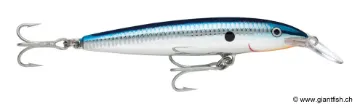
Product Highlights
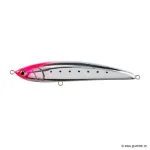
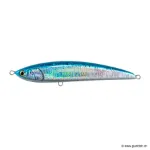
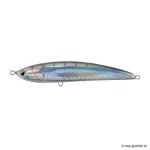
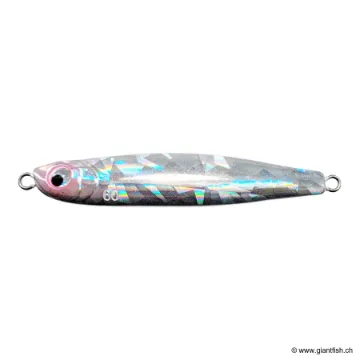
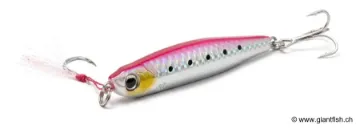
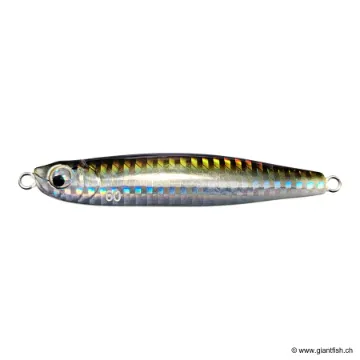
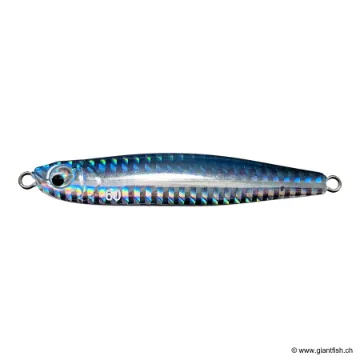
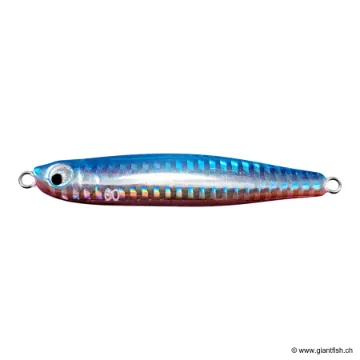
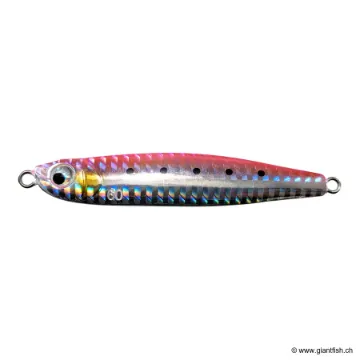
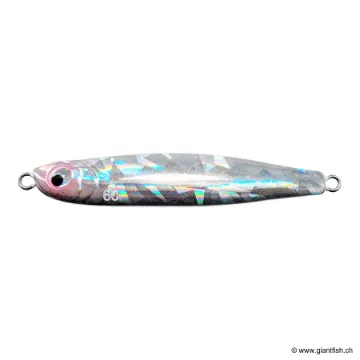
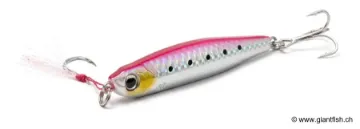
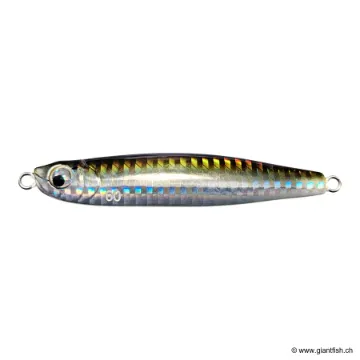
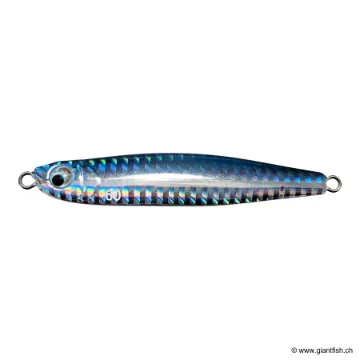
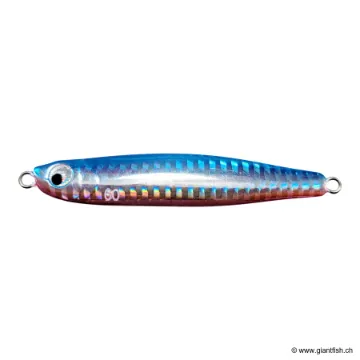
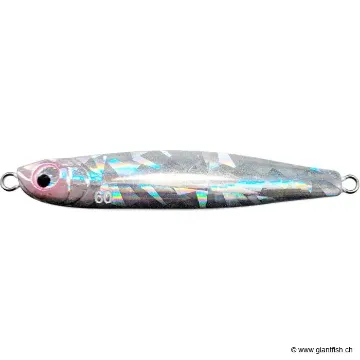
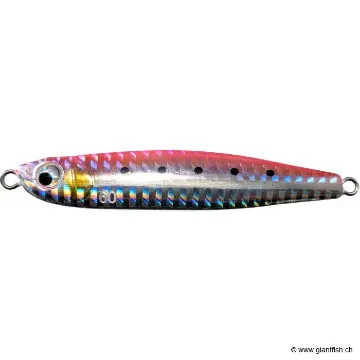
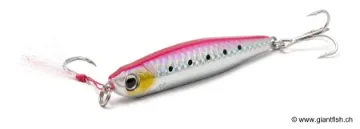
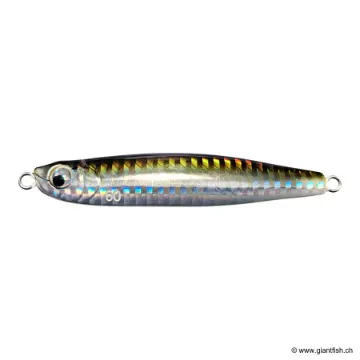
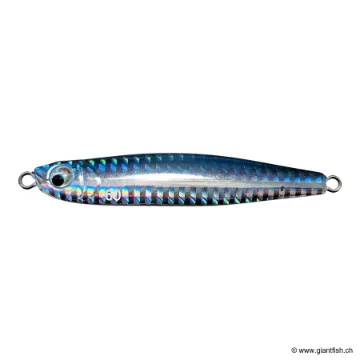
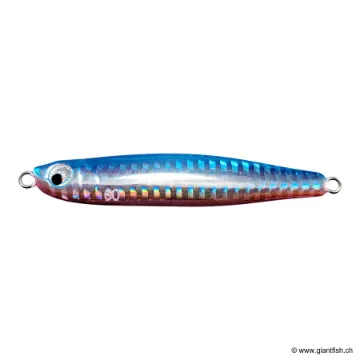
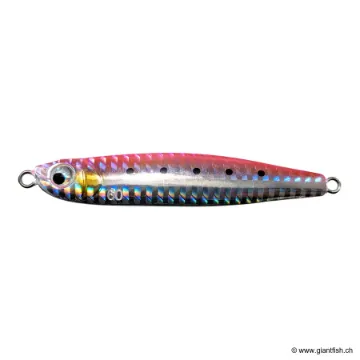
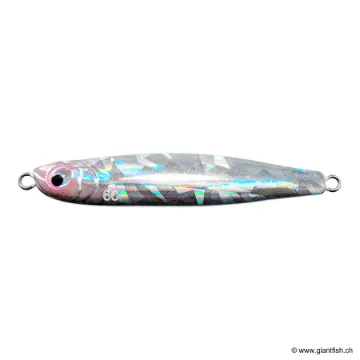
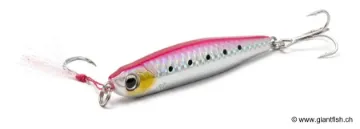
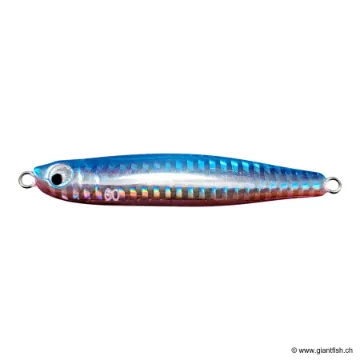
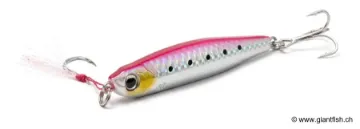
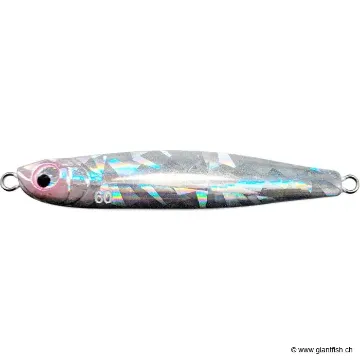
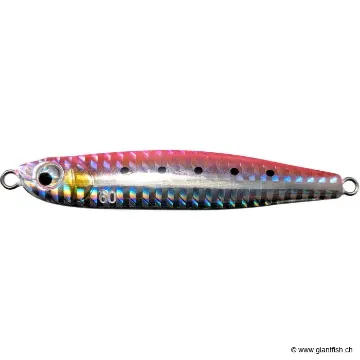
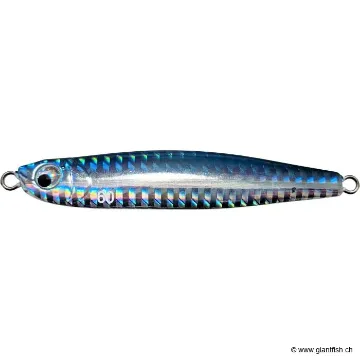
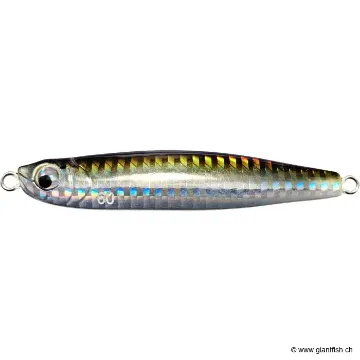
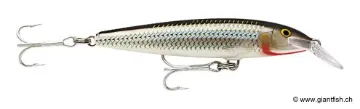
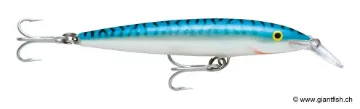
The MARIA Legato F230 is a floating pencil lure designed for sea predator fishing when you need to efficiently cover water. Its concept is based on a flat-sided body and optimized hydrodynamics that support sustained retrieves while maintaining a deliberately irregular swimming signature. The result is a saltwater surface lure that can be seen from a distance and provoke aggressive strikes, even when fish follow without fully committing.
Its action takes place just beneath the surface film: during the retrieve, it creates a winding, erratic path, like a large prey item fleeing out of control. This “imperfect” swimming action is exactly what triggers opportunistic marine predators. In addition, the lure produces strong light flashes thanks to the shape of its body, increasing its visibility in bright conditions and during fast prospecting phases.
To cover as much water as possible, the Legato F230 features a magnetic weight-transfer system: a moving weight is held and guided to stabilize flight, helping deliver remarkable casting distance from shore or boat. This long-cast capability is essential on feeding frenzies, rocky edges, beaches, or in areas where fish hold beyond the reach of more conventional lures. You gain reach, accuracy, and casting consistency, which directly translates into more presentations in the strike zone.
Technical Features
- Type: floating pencil lure for surface / sub-surface fishing
- Body: flat sides that enhance flash and stability at high speed
- Action: irregular, erratic winding swim just under the surface
- Distance: magnetic weight-transfer system for long-distance casting
- Use: fast prospecting and strike triggering on following / inactive fish
- Environment: sea fishing (from shore or boat)
Product Benefits and Key Advantages
1) Efficient prospecting: the Legato F230 is built to move quickly, remain visible, and keep an attractive action even when you speed up. That makes it especially effective for searching for active fish, but also for tempting hesitant fish by imposing a strong stimulus (flash, fleeing motion, irregularity).
2) Easy reading of the fishing area: thanks to its casting ability and steady retrieve, you can systematically cover a zone: long casts parallel to the shoreline, fast pulls over drop-offs, or fan-shaped passes across flats. It is a “tool” lure that helps quickly identify the active depth (immediate surface / sub-surface) without changing lure families.
3) Powerful visual signal: the combination of a flat-sided body and an irregular swim creates flashes that can be seen from far away. This is a major advantage on bright days, when predators react to the slightest reflection from a panicking baitfish.
4) Mastered long-distance casting: the magnetic weight-transfer system helps reach distant areas with a more stable flight. For sea fishing, this feature often makes the difference between “seeing” the activity and actually being able to fish it.
Usage Tips
To get the most out of this floating pencil lure, use a prospecting approach: cast far, keep the rod low, then start a steady retrieve with alternating bursts of speed and slight pauses. Rhythm changes intensify the irregular swim and imitate prey trying to escape a predator. When a fish follows, gradually increase speed over the final meters: the “fleeing” effect is often the trigger.
The lure can also be worked in a more controlled way, letting it glide just under the surface with small twitches and a steady retrieve. The goal is to maintain a constant signal (flash + winding path) without pulling it out of the water. Adjust line tension and rod angle to keep the lure just beneath the surface film, where it is most visible and most natural.
As for rigging, follow a “strength + mobility” approach: using suitable split rings and hooks sized for sea fishing helps secure strikes and reduce lost fish during the fight. Also check hook points after each fish or after contact with abrasive areas.
Testimonials
“A pencil that really casts far and still fishes well even on a fast retrieve. Ideal for covering water and triggering fish that are following.”
“The flashes and irregular swim make the difference when you need to provoke strikes: easy to use, effective for prospecting.”FAQ
Question 1: What is a floating pencil lure like the Legato F230 used for?
Answer: It is used to prospect the surface and sub-surface in the sea, imitating fleeing prey thanks to an irregular and highly visible swim.
Question 2: How do you get the best strike response on the retrieve?
Answer: Alternate fast retrieves with changes in pace (bursts of speed, micro-pauses) to strengthen the erratic effect and the impression of panic.
Question 3: Does the weight-transfer system really improve casting?
Answer: Yes, it stabilizes flight and helps achieve long distances, improving water coverage and accuracy on far-off spots.
Question 4: What rigging is recommended for this lure?
Answer: It is generally recommended to use 4/0 treble hooks or single hooks weighing 8 to 11 g, with size 9 split rings, to maintain efficiency and reliability in saltwater.