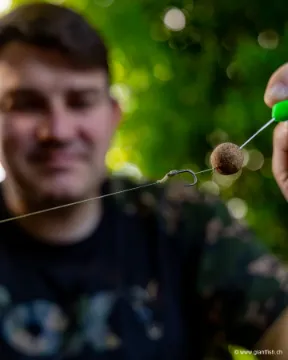
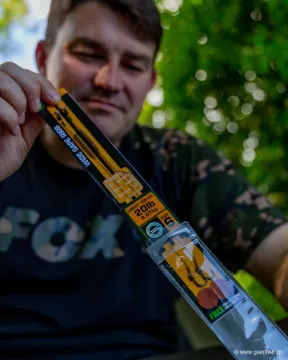
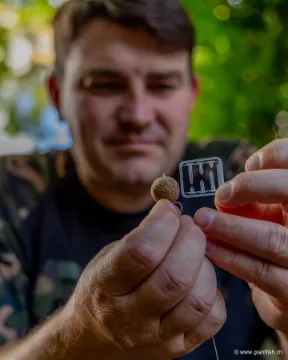
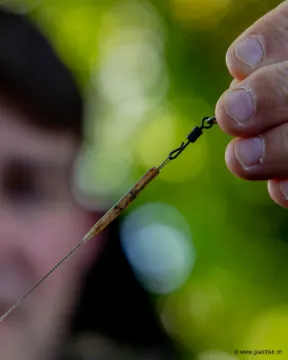
Product benefits
Tail rubbers are small but essential accessories for building a carp rig that is clean, reliable, and safer. Designed for naked line setups (bare line, without a thick leader), these rubber sleeves sit at the back of a lead system to improve presentation and protect sensitive areas of the rig. The result is a more discreet finish, better component retention, and a reduced risk of tangles during the cast.
In a modern carp fishing approach, every detail matters: alignment, knot protection, reduced friction, and the overall consistency of the rig. These tail rubbers fit naturally into a tackle box dedicated to technical rigs, especially when you are looking for a clean transition between the line and the lead system without adding unnecessary bulk.
Technical features
- Type: tail rubber (rear sleeve for lead system)
- Use: carp fishing rigs in naked line configuration
- Function: rig finishing, protection, and tangle reduction
- Material: soft, durable rubber (designed for fishing use)
- Installation: threaded onto the line/rig component depending on the chosen setup
- Compatibility: works with common rigs using a lead system and suitable swivel
Advantages and key product benefits
Finish and discretion: a tail rubber helps tidy the connection at the rear of the lead system. By covering the contact area and limiting rough edges, it contributes to a more uniform presentation and better rig consistency in the water.
Protection for sensitive areas: depending on your setup, it helps reduce friction and repeated impacts on certain points (knots, joins, loops). This protection helps improve the durability of the whole rig, especially when you cast often or fish mixed bottoms.
Reduced tangles: a better aligned and more secure rig behaves more cleanly in flight. The goal is simple: limit unwanted loops and support an effective bait presentation once the rig has settled.
Versatility for carp anglers: even within a naked line approach, tail rubbers work with many rig styles (bottom rigs, balanced rigs, stiff or supple hooklinks), as long as the setup remains compatible with the lead system and swivel used.
Safety-first approach: in carp fishing, fish safety is a core priority. A properly installed tail rubber helps keep the rig neat and functional. As always, it is essential to check that every component is suitable and to test your rig before fishing, especially to ensure the system can release correctly in the event of a break-off.
Usage tips
1) Prepare the line: in a naked line setup, make sure the terminal section of line is clean, free from abrasion, and that knots are fully tightened and wetted during assembly.
2) Thread it on before finishing: remember to slide the tail rubber on at the right stage of assembly so you do not need to dismantle the rig later.
3) Adjust the fit: position it to achieve a neat transition without forcing it. A rig that is too tight may lose efficiency; the aim is stable hold while preserving normal system function.
4) Test in a bucket: before your session, check presentation (alignment, no tangles) and overall function. It is a simple habit that prevents many problems at the water's edge.
5) Regular checks: after several casts or after landing a fish, inspect the tail rubber and line. Replace any component showing signs of wear, cuts, or hardening.
FAQ
Question 1: What is a tail rubber used for in carp fishing?
Answer: It is used to finish the lead system, protect certain joins, and help create a cleaner rig, often with better casting behaviour.
Question 2: Can it be used with a naked line setup?
Answer: Yes, that is one of its main uses: to create a clean, functional transition without using a thick leader, while keeping the rig coherent.
Question 3: How do I know if my rig is set correctly?
Answer: Test it in the water (bucket or margin): the presentation should be neat, with no loops, and the system should function normally. Adjust if needed, without forcing any components.