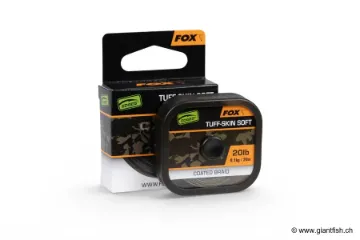
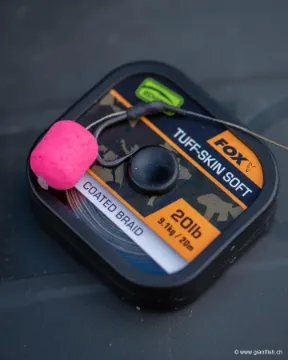
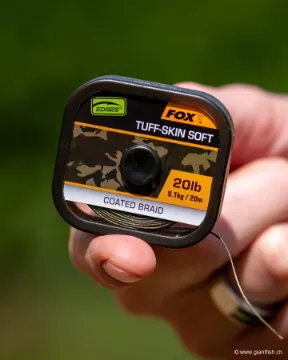
Product benefits
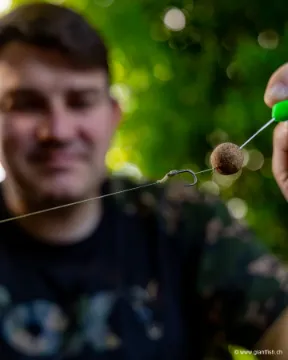
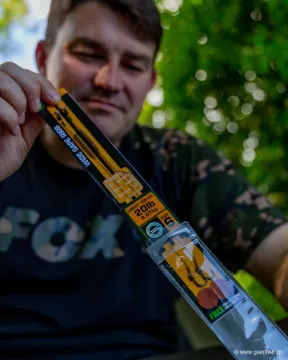
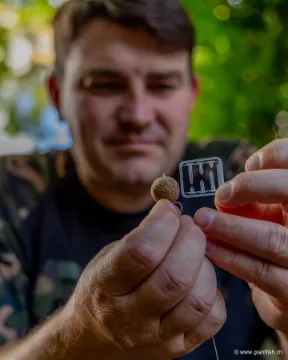
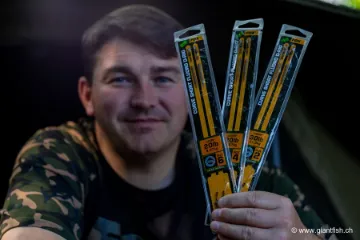
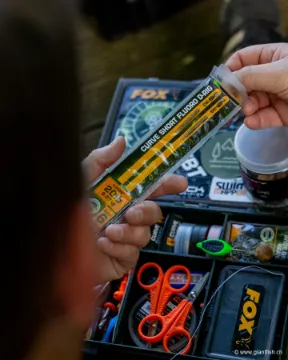
The FOX Edges tail rubbers are rubber end pieces designed to refine and secure a carp rig. Placed at the rear of a lead clip or rig system, they improve line retention, help reduce the risk of tangles, and provide a clean, durable finish. Designed to integrate with the FOX Edges ecosystem and Naked Line setups, they are aimed at anglers looking for a reliable accessory to optimize presentation and safety without adding unnecessary bulk to the rig.
Their design is focused on a key balance: keeping the whole setup properly in place during fishing while preserving the logic of rig safety (lead release when conditions require it, depending on the configuration and best practices). This discreet accessory plays a key role in cast consistency, keeping the line neat on the lakebed, and protecting sensitive rig components.
Technical features
- Soft rubber end piece designed for carp rigs (tail rubber type).
- Made to improve the finish and stability of rigs with lead clips and related systems.
- Helps reduce tangles by guiding the hooklink exit.
- Helps protect knots and connections near the clip.
- Naturally integrates with Naked Line setups and is compatible with many common safety systems.
Benefits and key selling points
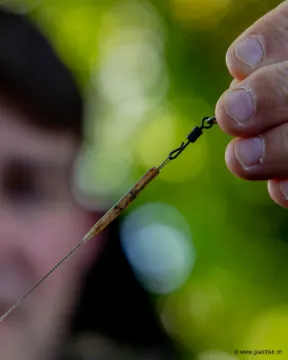
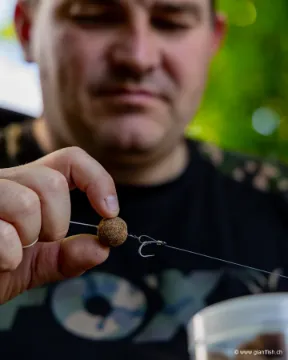
A good rig is not just about the hooklink: the connection to the lead system is often where problems appear (micro-tangles, wear, poor alignment, snagging). The FOX Edges tail rubbers help make this critical area more reliable. By covering and neatly sheathing the back of the clip, they encourage a straighter hooklink exit, which improves cast consistency and the quality of bait presentation once it reaches the bottom.
Another major benefit is reduced abrasion. A properly fitted accessory limits direct friction on certain parts of the rig and reduces exposure of the connections to outside elements (sand, silt, debris). In practice, you gain peace of mind and consistency, especially during long sessions where you need carp tackle that performs from the first cast to the last.
Finally, their role in the safety concept should not be overlooked. Depending on the configuration, the tail rubber helps keep everything in place while allowing controlled lead release if needed. The goal is to achieve a clean, effective rig that follows modern carp fishing best practices.
Usage advice
For best results, choose a coherent setup (main line, leader if used, lead clip, swivel) and make sure the components fit together correctly. Slide the tail rubber on so it covers the rear of the clip, then adjust it gradually until you achieve a stable hold. Do not force it: a proper fit comes from compatible components and a clean rig.
Before each cast, check the freedom of movement of the hooklink and make sure there is no twisting. After a fight, inspect the accessory: if the rubber shows signs of wear, replace it to maintain a high level of rig safety. Rinse with clean water after a session (especially in dirty water) and store away from heat to preserve the material's flexibility.
FAQ
Question 1: What is a tail rubber used for in carp fishing?
Answer: A tail rubber is used to finish and stabilize a rig around a lead clip or an equivalent system. It helps guide the hooklink exit, reduce tangles, and protect certain connections.
Question 2: Is it compatible with all lead clips?
Answer: These end pieces are designed for the FOX Edges range and Naked Line rigs, while generally remaining compatible with many lead clips and common safety systems. For best results, use components from the same range or with compatible dimensions.
Question 3: Does it make the rig safer for the fish?
Answer: A tail rubber contributes to the consistency and stability of a rig, but safety depends mainly on the overall setup (clip, swivel, tightness, and component condition). It is recommended to test lead release and follow good rig safety practices.
Question 4: When should this accessory be replaced?
Answer: Replace it as soon as you notice a loss of flexibility, cracks, deformation, or inconsistent holding. A component in good condition ensures better reliability and consistent presentation.
Question 5: Is this product useful in snaggy water?
Answer: Yes, a clean finish and regular hooklink guidance can help limit certain snags and keep the rig neater. However, adapt your setup (strength, safety, and adjustments) to the actual fishing conditions.