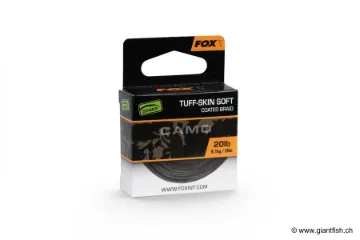
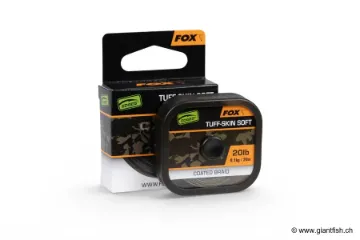
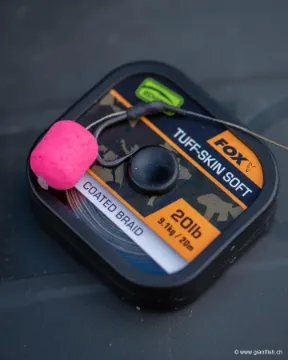
Product Benefits
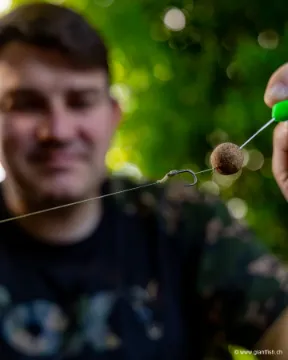
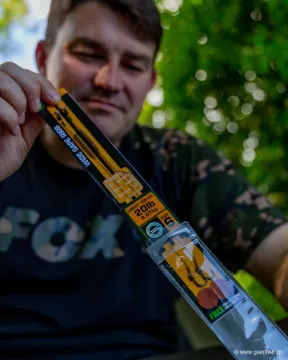
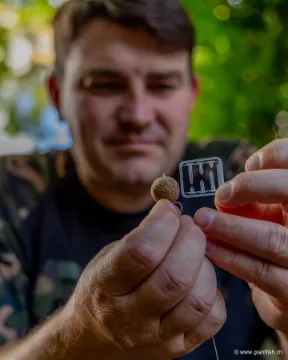
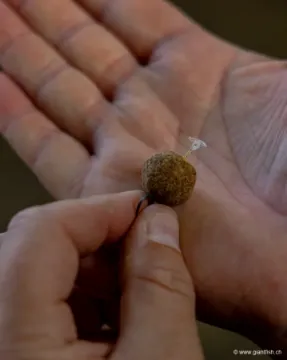
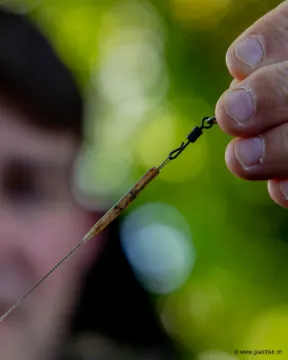
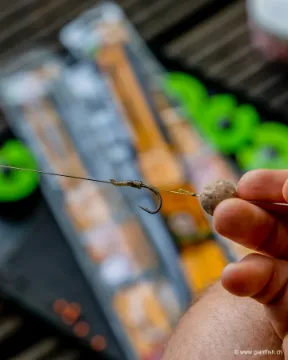
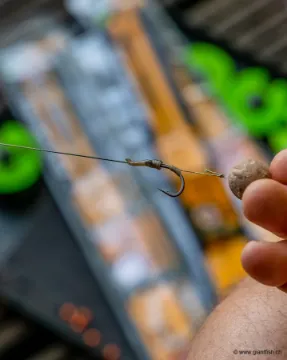
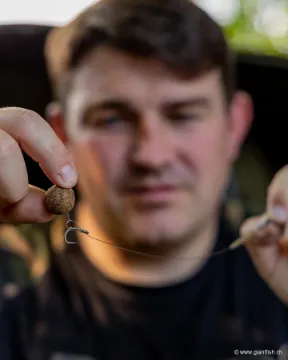
Fox Edges rig rings are essential accessories for anglers who want reliable, tidy rigs suited to modern presentations. Discreet and designed to integrate easily into a carp hooklink, they add a useful pivot point exactly where you need it: on the hair, on a loop, on a D-rig, or to create a sliding blowback-style effect. The result: the bait gains freedom, the rig stays better positioned, and the overall mechanics become more consistent both on the cast and when a fish sucks the bait in.
In the world of carp fishing, the details often make the difference. A well-positioned ring can improve hook rotation, make the presentation more natural, and help convert more takes. Fox Edges rig rings are designed for this exact purpose: to offer a simple, compact, and versatile solution for evolving your rigs without adding bulk to your line or complicating your setup.
Whether you are fishing over the bottom, on clean lakebed, or over lightly snaggy ground, these rig rings let you create consistent rigs that are easy to reproduce and quick to adjust. They are ideal for beginners who want to make a classic rig more reliable, as well as experienced carp anglers looking for a technical rig (D-rig, hinged stiff rig, sliding presentation, etc.) with a neat finish.
Technical Features
- Rig ring accessory for hooklinks
- Designed for carp fishing rigs and bait presentation
- Provides a pivot and/or sliding point depending on the rig used
- Compact format for clean and discreet rigs
- Surface designed to reduce friction and preserve hooklink performance
- Compatible with many hooklink materials (depending on your rig): braid, coated braid, mono, fluorocarbon
Product Advantages and Key Benefits
Versatility: a rig ring can be used in a wide variety of rigs. It can secure a micro component (ring, stop, bait), create a sliding point on the shank, or form a clean and consistent D-rig. This versatility makes it an essential consumable in any carp tackle box.
More Natural Presentation: by adding movement to the bait, you make the rig behave more fluidly. This helps achieve a more believable presentation, especially when the bait needs to move freely without immediately dragging the entire hooklink with it.
Repeatable Rigs: once your setup is dialled in, rig rings help keep the same geometry from one hooklink to the next. This is a real advantage when fishing with confidence, comparing results, and changing only one variable at a time.
Clean Finish: when used correctly, these rings contribute to a neat, uncluttered finish. A tidy rig casts better, tangles less, and keeps its mechanics working for longer.
How to Use
To get the best from your carp rig rings, start by defining their role: fixed point (e.g. D-rig), sliding point (e.g. blowback), or simple attachment point for the bait. Then choose a knot suitable for your hooklink material (and always follow best practice: moisten, tighten gradually, and check alignment).
On a sliding rig, make sure the ring moves freely while remaining controlled (for example with a stop or a small section of tubing/aligner depending on your preferences). On a D-rig, aim for a smooth curve and a consistent D length to encourage hook rotation. Finally, test the rig at the water’s edge: pull lightly on the bait and observe how the setup loads up. If you feel any snags, revisit the orientation, knot tension, or retention element.
After your session, a quick rinse and drying of your hooklinks (and accessories) will help keep your tackle clean and durable, especially if you fish in silty or heavily charged waters.
FAQ
Question 1: What is a rig ring used for on a carp hooklink?
Answer: It is used to create a pivot or sliding point to improve bait presentation and rig mechanics (rotation, movement, positioning).
Question 2: Is it compatible with all hooklink materials?
Answer: Yes, in practice it works with most materials used in carp fishing (braid, coated braid, mono, fluorocarbon), provided you use the knot and configuration suited to your rig.
Question 3: How do I choose the ring size?
Answer: Choose a size that matches the effect you want (discretion, sliding action, available space on the shank) and the presentation you are aiming for. If in doubt, choose a compact option for versatile rigs.