




















Cookies help us deliver our services. By using our services, you agree to our use of cookies.
Search
[CHF] Swiss Franc
English
- Fishing license
- New Products
- Predator
- Trout
- Fly Fishing
- Carp
- Catfish
- Strike
- Sea
-
Clothing
- Fishing jackets
- Hoodies, fleeces & sweaters
- Fishing T-shirts, Polos, and Shirts
- Fishing Pants, Bibs, and Shorts
- Fishing vests and chest packs
- Waders and Hip Boots
- Boots, Shoes & Sandals
- Polarized sunglasses & Accessories
- Caps, Visors & Hats
- Beanies, Neck gaiters & Gloves
- Thermal underwear & Socks
- UV-blocking Clothing and Sun protection accessories
- Various
- Navigation
- Hunting
- Decor & Gifts
- Brands
Filter
Filter by price
Filter by manufacturer
Fly Fishing
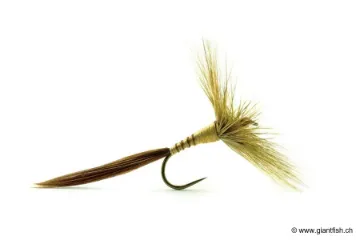

Devaux Dry Fly 606
Devaux dry flies for high-performance, natural fly fishing. Ideal for imitating surface insects, they provide buoyancy, effectiveness and realism, suitable for all rivers and seasons.
3.10 (CHF) incl tax
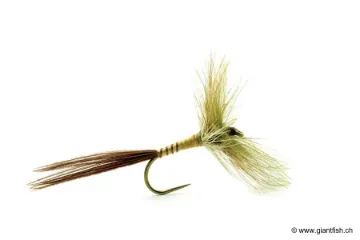
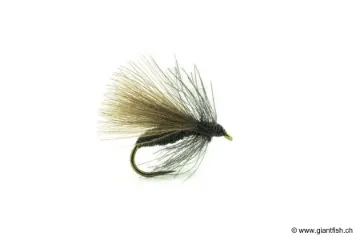
Devaux Terrestrial Fly 528C
Devaux Terrestrial Flies 528C, an innovation for river and reservoir fly fishing. Guaranteed effectiveness in all conditions thanks to exceptional realism, premium materials and universal compatibility with classic rigs. Ideal for tempting wary fish and succeeding on your sessions, these flies stand out for their buoyancy, precision and perfect adaptation to the most demanding environments.
3.10 (CHF) incl tax
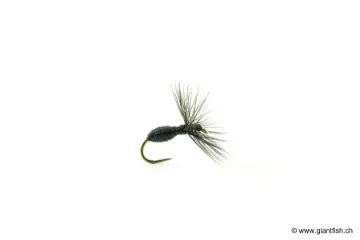
Devaux Terrestrial Fly 527
Devaux Terrestrial Flies 527 – Exceptional artificial flies for fly fishing
3.10 (CHF) incl tax
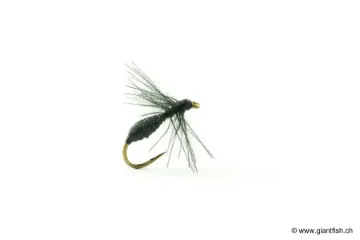
Devaux Terrestrial Fly 527C
Devaux Terrestrial Fly 527C – realistic artificial fly for fishing, maximum effectiveness, professional craftsmanship.
3.10 (CHF) incl tax
The Flies category brings together everything you need for fly fishing: artificial flies, small accessories and tackle designed to present your imitations with accuracy and a natural drift.
Choosing the right fly for each situation
The choice of artificial fly mainly depends on the target fish, the season and water conditions. It’s a good idea to carry a varied selection so you can quickly adapt once you’re on the water.
- Dry flies: ideal when fish are rising on the surface. They imitate adult insects and are particularly effective on wary fish in clear water.
- Nymphs: to be fished below the surface to imitate larvae. Highly versatile, they allow you to tempt active fish holding close to the bottom or drifting naturally in the current.
- Streamers: suited to more aggressive fish or colored water. They imitate small baitfish, leeches or large insects.
- Wet flies and emergers: useful when fish are feeding between two depths, especially during hatches.
Essential fly-fishing gear
Beyond the fly itself, the right equipment helps you gain both accuracy and comfort. In this category, you’ll find products designed to optimize your rigs and presentations.
- Fly boxes: to organize your patterns by size, color or type and keep them dry.
- Leaders and tippets: essential to present the fly naturally, with diameter and length adapted to the situation.
- Accessories: strike indicators, floatants for dry flies, disgorgers and small tools that are useful on the bank.
- Tying materials (depending on availability): hooks, feathers, hair and threads to create or customize your own imitations.
Fly-fishing techniques by season
Fly fishing evolves throughout the year. Matching your techniques and fly patterns to the seasons greatly increases your chances of success.
- Spring: favor nymphs and small dry flies that imitate the first hatches. Fish become increasingly active, especially during milder periods in the middle of the day.
- Summer: dry flies and emergers dominate, particularly early in the morning and late in the day. Under bright sun, fine nymphing often remains productive.
- Fall: slightly larger streamers and nymphs help you target fish that are feeding up before winter.
- Winter: when fishing is still possible, heavy nymphs fished near the bottom with a slow drift usually give the best results.
Tips for using and maintaining your flies
Proper care extends the life of your flies and preserves their floating or swimming properties.
- Rinse your flies in clean water after a session, especially if you fish in slightly dirty water.
- Let them air-dry before putting them back in the box to avoid hook corrosion.
- Use suitable floatants for dry flies and reapply when the fly starts to sink or feel waterlogged.
- Regularly check the hook point and replace patterns with dulled or damaged hooks.
FAQ - Flies and fly fishing
Which fly should I choose to start?
To begin, a small selection of classic dry flies, a few versatile nymphs and one or two streamers is enough to cover most situations.
Do I need to change flies often?
It’s worth changing flies if you don’t get any takes after a while, or if fish follow without committing. Varying the size, color or type of imitation often helps trigger strikes.
How many patterns should I pack for a trip?
Plan on carrying several sizes and colors of the same pattern so you can adapt to changes in light, flow and fish behavior throughout the day.
Payment options


