Product benefits
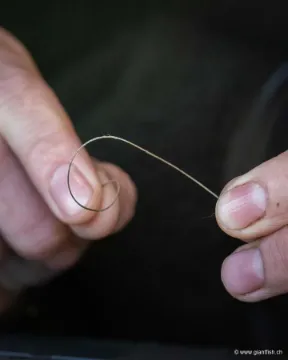
The fluorocarbon line FOX Edges Illusion is designed for anglers who want to combine discretion, clean presentation, and confidence during the fight. As fluorocarbon, it is naturally less visible underwater than many standard nylons, making it an excellent choice for building a hooklink or terminal line sections when fish are wary. Its dense behaviour helps it settle better on the bottom, which is useful for presenting a rig more naturally and reducing the risk of a line that sits “suspended”.
Part of the Fox Edges range, this line is designed to integrate easily into modern carp fishing rigs as well as versatile freshwater approaches. It is ideal for anglers looking for a reliable solution when fishing near obstacles, over abrasive bottoms, or whenever line visibility can make the difference. The product is available in several versions to suit different conditions without locking you into a single use.
Technical features
- Type: fluorocarbon line intended for hooklinks and terminal sections
- Material: fluorocarbon
- Behaviour in use: high density for excellent bottom presentation
- Use: carp rigs, discreet presentations, freshwater fishing
- Versions: available in multiple options (strengths, diameters, and spool sizes depending on version)
- Rig compatibility: suitable for common knots and accessories (swivels, clips, sleeves, and crimps depending on technique)
Advantages and key strengths
The first benefit of a fluorocarbon hooklink is discretion. In many situations, reducing the visibility of the terminal line helps trigger bites, especially when fishing pressure is high or the water is clear. FOX Edges Illusion allows you to build a more understated terminal section without unnecessary extras.
Another important advantage is the abrasion resistance commonly associated with fluorocarbon. Over areas made up of gravel, shells, branches, or submerged structures, a stronger line provides a valuable safety margin. This does not remove the need for regular checks, but it does help improve the overall reliability of the rig.
Its density also helps keep the line pinned down and improves presentation. For anglers who fine-tune their approach, a line that follows the contours better and stays closer to the bottom can reduce the chances of alarming fish. Used as a terminal section, this type of line helps keep a rig cleaner, especially when the water is calm and fish inspect the bait for a long time.
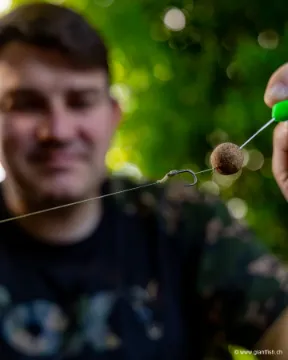
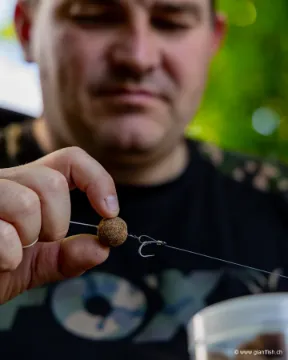
Finally, this product fits into a “rig-building workshop” mindset: it gives you a base for customising hooklink length, choosing the knot style, and adjusting the stiffness of the rig. It works just as well for simple rigs as for more technical presentations, provided you use knots suitable for fluorocarbon and check that everything is tightened correctly.
Usage tips
To get the most from a fluorocarbon line, take care with the knot: wet it, tighten gradually, and visually check that the wraps are seated correctly. Trim the excess cleanly and test the knot with a firm pull before casting. Depending on your approach, you can use it as a complete hooklink or as a terminal section (for example, to combine it with other rig materials), always staying consistent with the strength required and the amount of snags present.
During fishing, inspect the first few centimetres regularly after each fish, each hard cast, or after passing near an abrasive area. If you feel roughness or notice a white mark, cut back and retie: rig reliability often depends on the smallest detail. Store the line away from excessive heat and direct light to preserve performance over time.
FAQ
Question 1: What is fluorocarbon line used for in fishing?
Answer: Fluorocarbon line is mainly used to make a more discreet hooklink or terminal section underwater, with good bottom presentation and strong abrasion resistance.
Question 2: Is it suitable for carp fishing?
Answer: Yes, this type of line is widely used in carp fishing for well-finished rigs, especially when fish are wary or the bottom is abrasive.
Question 3: Do you need specific knots?
Answer: It is recommended to use reliable knots for fluorocarbon, to wet them well, and to tighten them gradually. Always test your knot before fishing.
Question 4: How do you choose the right version?
Answer: Choose based on the snags, the size of the fish targeted, and the presentation you want. If in doubt, choose a versatile option and adjust the hooklink length to suit your spot.