























Cookies help us deliver our services. By using our services, you agree to our use of cookies.
Search
[CHF] Swiss Franc
English
- Fishing license
- New Products
- Predator
- Trout
- Fly Fishing
- Carp
- Catfish
- Strike
- Sea
-
Clothing
- Fishing jackets
- Hoodies, fleeces & sweaters
- Fishing T-shirts, Polos, and Shirts
- Fishing Pants, Bibs, and Shorts
- Fishing vests and chest packs
- Waders and Hip Boots
- Boots, Shoes & Sandals
- Polarized sunglasses & Accessories
- Caps, Visors & Hats
- Beanies, Neck gaiters & Gloves
- Thermal underwear & Socks
- UV-blocking Clothing and Sun protection accessories
- Various
- Navigation
- Hunting
- Decor & Gifts
- Brands
Filter
Filter by price
Filter by manufacturer
Fishing rods
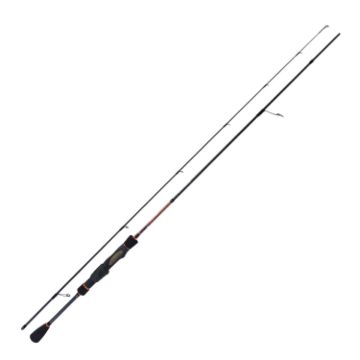
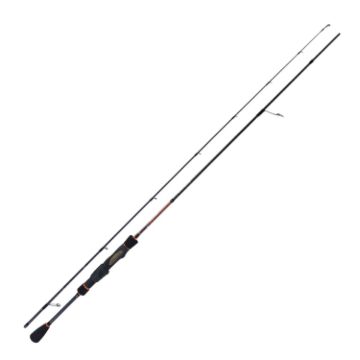
Dedicated trout rods need to be accurate, sensitive and matched to your fishing style. Whether you fish spinning, toc, bombette or ultra light, choosing the right rod is essential for clean casting, solid hooksets and safe control of your fish.
Choosing the right rod length
The length of a fishing rod has a direct impact on casting accuracy and distance. On small, snaggy rivers, shorter rods between 1,80 m and 2,10 m are preferred to cast under vegetation and place your bait precisely. On medium to large rivers, a 2,10 m to 2,40 m rod offers better line control and lets you cover more water. For lakes, open banks and long-distance fishing, longer models give you better control during the fight and a more natural presentation.
Power and action: feeling every bite
The power of the rod must match the weight of your lures and the size of the trout you target. For trout, ultra light to light powers are generally preferred, ideal for casting spinners, small minnow lures and natural rigs. The action (from fast to parabolic) determines how the blank works: a fast action allows crisp, precise hooksets, while a more progressive action is more forgiving and helps avoid lost fish, especially with delicate trout.
Materials, guides and handles: comfort that boosts efficiency
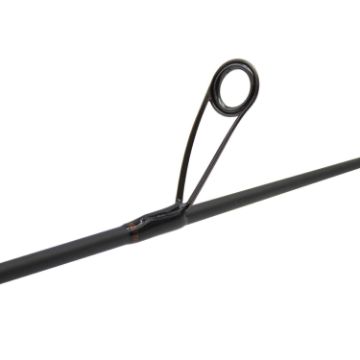
Modern trout rods are mostly made from carbon, appreciated for its light weight and sensitivity. A responsive blank transmits the subtle bites that are typical when trout fishing. Quality guides protect the life of your line, whether you fish nylon or braid. The type of handle (cork, EVA or a mix of both) influences comfort during long sessions: choose a grip that feels right in your hand, especially if you spend several hours on the water at the start of the season or during major hatches.
Trout rods and techniques
Each technique calls for a specific type of rod. Trout spinning requires a responsive, accurate rod capable of casting light lures. Toc fishing, which is more finesse-oriented, needs length and sensitivity to control the drift of your weights. Bombette and semi-weighted rigs require more progressive blanks to cast far without killing the lure’s action. Matching your rod to your technique and environment (streams, rivers, lakes, reservoirs) helps you optimize your presentations throughout the season.
Matching your rod to the seasons
At the beginning of the season, stronger, colder flows can call for slightly more powerful rods to control drifts and fish in heavy current. In the warmer months, when water levels drop and trout become more wary, ultra light, highly sensitive rods really come into their own. In autumn, a forgiving rod with good power reserves helps you handle more hard-fighting fish while still keeping your lure or bait presentation natural.
FAQ - Trout fishing rods
What rod length should I choose for a small river? For streams and small, overgrown rivers, a rod between 1,80 m and 2,10 m offers an excellent compromise between maneuverability, accuracy and fishing comfort.
What rod power is the most versatile for trout? An ultra light or light rod that covers small lures and finesse rigs is generally the most versatile choice for switching between spinners, minnow lures and natural baits.
Can I use the same rod on rivers and lakes? Yes, as long as you choose an intermediate length and power. However, to really optimize your results, it can be useful to have a more distance-oriented rod specifically for lakes.
Payment options


