




























Cookies help us deliver our services. By using our services, you agree to our use of cookies.
Search

[CHF] Swiss Franc
English
- Fishing license
- New Products
- Predator
- Trout
- Fly Fishing
- Carp
- Catfish
- Pole Fishing
- Sea Fishing
-
Clothing
- Fishing jackets
- Hoodies, fleeces & sweaters
- Fishing T-shirts, Polos, and Shirts
- Fishing Pants, Bibs, and Shorts
- Fishing vests and chest packs
- Waders and Hip Boots
- Boots, Shoes & Sandals
- Polarized sunglasses & Accessories
- Caps, Visors & Hats
- Beanies, Neck gaiters & Gloves
- Thermal underwear & Socks
- UV-blocking Clothing and Sun protection accessories
- Various
- Navigation
- Hunting
- Decor & Gifts
- Brands
Filter
Filter by price
Filter by manufacturer


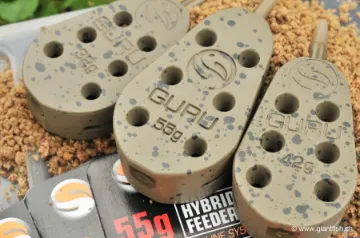
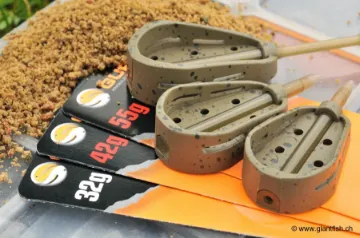
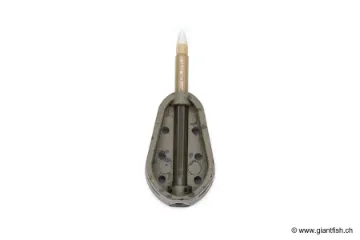
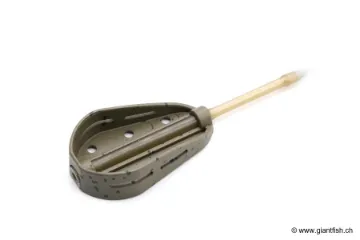
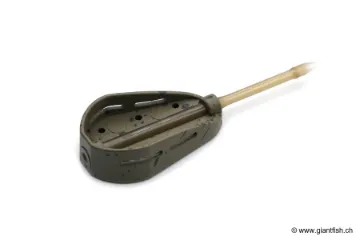
Feeder Guru Hybrid Inline
Guru 18g Mini Hybrid Inline Feeder: Innovative bait cage for feeder fishing. Optimal diffusion, performance design, maximum efficiency.
3.65 (CHF) incl tax
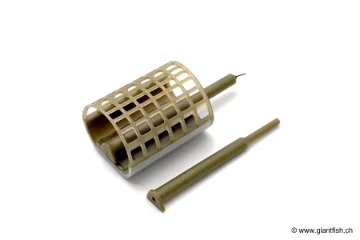
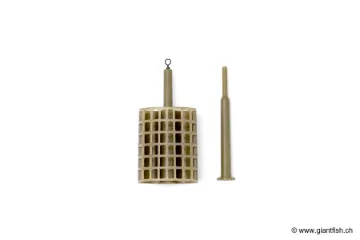
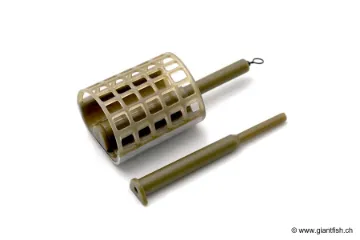
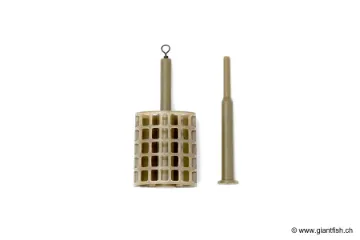
Feeder Guru Gripper
Guru Gripper Feeder 1oz Large: ultra-stable fishing feeder, innovative, long-lasting, ideal for river fishing, discreet presentation, versatile compatibility.
4.55 (CHF) incl tax
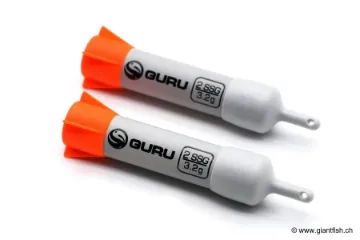
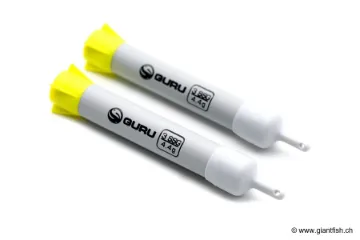
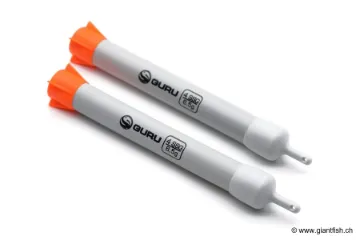
Guru Foam Wagglers SSG Float
Guru Foam Wagglers, dense foam finned fishing float, precision and discretion
7.25 (CHF) incl tax
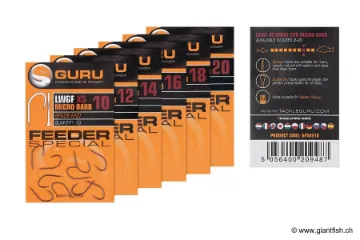
Guru Feeder Special XS Eyed Barbed Hook
Guru Feeder Special XS 8 Eyed – Performance, robustness, and versatility for feeder fishing.
2.75 (CHF) incl tax
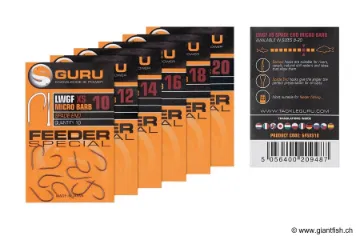
Hook Guru Feeder Special XS Spade End Barbed
Guru Feeder Special XS 8 Spade End – Robust hook for feeder fishing, designed with extra strong durability, in-turned point, and black nickel finish for maximum longevity.
2.75 (CHF) incl tax
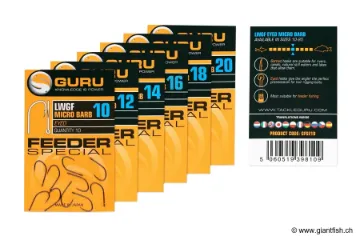
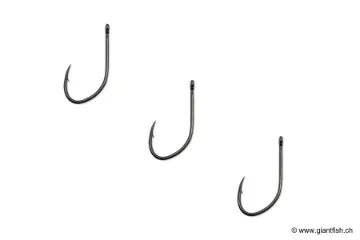

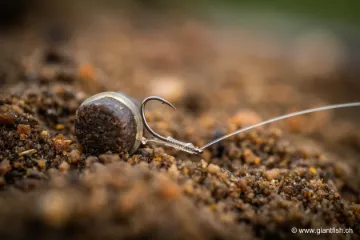
Hook with Eyelet Guru LWG Feeder Special Barbed
Guru LWG Feeder Special 10: robust and versatile eyelet hook, ideal for feeder fishing with multiple baits. Designed for performance and reliability.
2.75 (CHF) incl tax
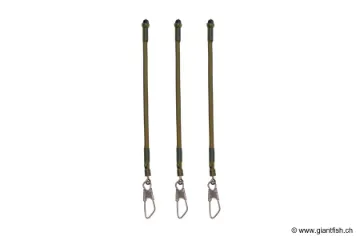
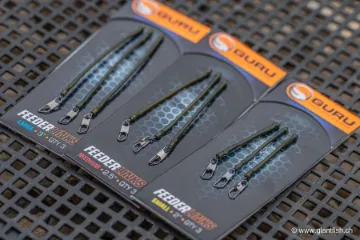
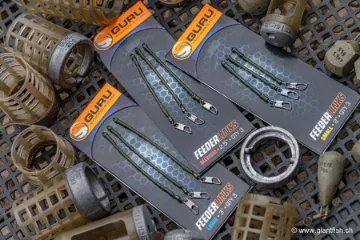
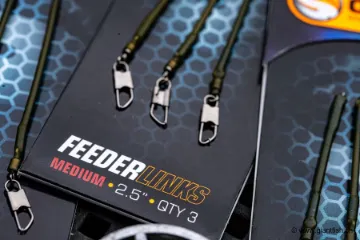

Sliding Guru Feeder Links Holder
Discover the Feeder Links Small 2 inch from Guru, an essential accessory for anti-tangle feeder rigs, robust, practical, and designed with the expertise of the leading brand in specialized fishing gear. Optimized for reliability and efficiency, these links bring realism and performance to every session.
5.45 (CHF) incl tax
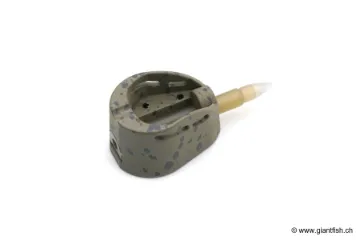
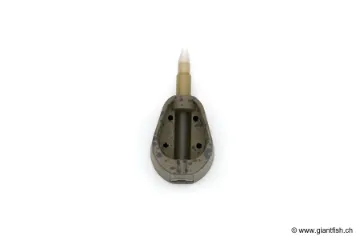
Feeder Guru Extra Distance Hybrid Feeder
Guru Extra Distance Hybrid Feeder, superior long-distance performance, robustness, precision, optimal bait protection for demanding anglers.
3.65 (CHF) incl tax
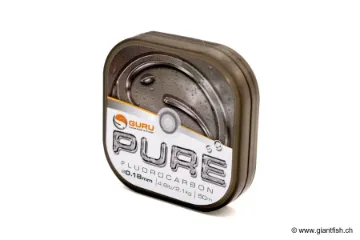
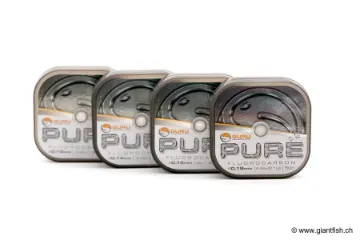
Fluorocarbon Guru PURE Fluorocarbon - 50 m
Guru PURE Fluorocarbon, invisible leader, high knot resistance, extreme precision, effective and sustainable fishing, Guru innovation.
9.10 (CHF) incl tax
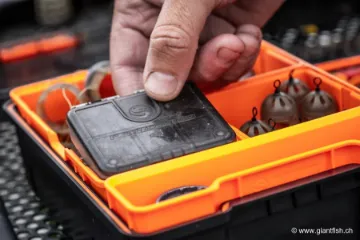
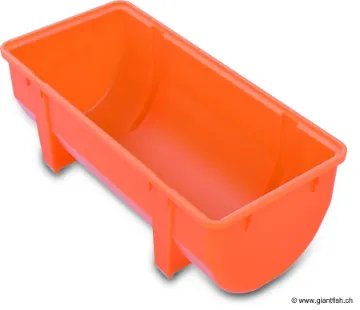
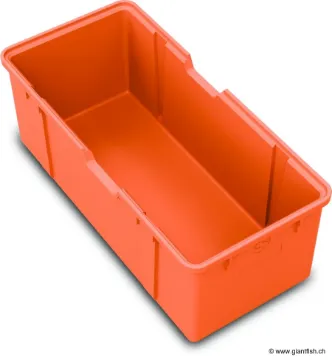
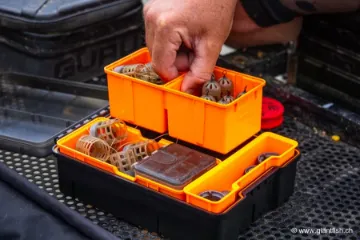
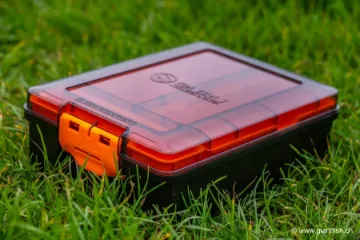

Guru Compact Fusion Feeder Box
Guru Compact Fusion Feeder Box: premium storage box, versatile and robust, ideal for anglers seeking optimal organization and superior protection for their feeder accessories.
40.90 (CHF) incl tax


Guru Feeder Box Accessory Box
Guru Feeder Box Accessory Box, fishing accessory box with 6 compartments, ideal for organizing swivels, beads, adapters, and small fishing equipment.
8.20 (CHF) incl tax
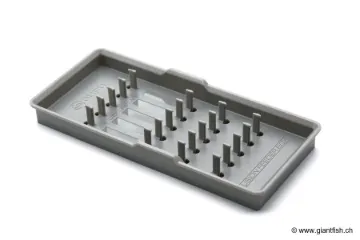
Accessories Guru Feeder Box Rig Board
Guru Feeder Box Rig Board for fishing setup: practical, durable box, ideal for all feeder setups.
7.25 (CHF) incl tax
Payment options


