






















Search
[CHF] Swiss Franc
English
All Categories
Menu Close

Line Assembly

View as Grid List
Sort by
Display per page

MAGGOT

Hameçon MAGGOT
3.55 (CHF) incl tax

WHITE FISH X FINE WIRE 70

Hameçons WHITE FISH X Fine Wire 70
3.55 (CHF) incl tax

WHITE FISH X FINE WIRE 22

Hameçon WHITE FISH X Fine Wire 22
3.55 (CHF) incl tax

White Fish Fine WIRE

Fil de Pêche en Acier Blanc
3.55 (CHF) incl tax

BREAM NICKEL

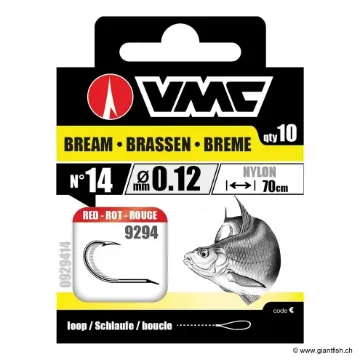
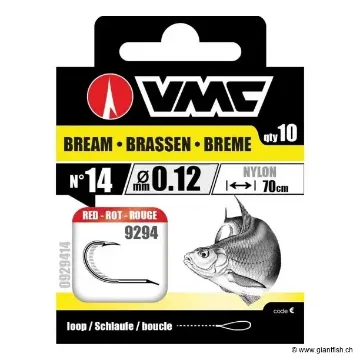
Hameçons Bream Nickel
3.55 (CHF) incl tax

Matrix MXB-2 Hooks

Hameçon MXB-2 polyvalent pour pêche feeder
2.30 (CHF) incl tax

Matrix MXB-1 Hooks

Hameçon MXB-1
2.30 (CHF) incl tax

Matrix MXC-3 Bait Band Rigs 15cm/6ins

Pêche au feeder et à déboiter, eschage pellets et dumbells, Matrix Hooklengths Cases, hameçons MXC-3, bandes élastiques Matrix, nylon Power Micron, 3 tailles disponibles
4.55 (CHF) incl tax

Matrix MXC-4 Hooks

MXC-4 robuste pour gros poissons
2.30 (CHF) incl tax

Matrix MXC-6 Hooks

Hameçon MXC-6 pour la pêche de F1
2.30 (CHF) incl tax

Matrix F1 Slim Pole Float

Flotteur effilé quille courte carbone
2.61 (CHF) incl tax

Matrix MXC-6 6” F1 Bands

Bas de ligne pour petites carpes et F1 à la canne à déboiter
4.55 (CHF) incl tax

Line rigs for pole fishing

A well-thought-out line setup makes all the difference in pole fishing. It presents the bait naturally, ensures precise bite indication and helps reduce fish lost during the fight. Whether you fish canals, ponds or slow rivers, choosing the right components and assembling them properly is essential to get the most out of your pole.

Choosing the right components for your rig

A complete rig is made up of several elements, each with a specific role. On GiantFish.ch, you’ll find everything you need to adapt your line to the target species and the conditions on the day.

  • Pole floats: slim shapes for stillwaters and wary fish, more bulbous floats for current or bulky baits.
  • Mainline and hooklengths: soft, discreet nylon for fine fishing, stronger diameters for carp on the pole or fast-paced sessions.
  • Split shot and olives: to balance the float precisely, stabilize the bait and control the sink rate.
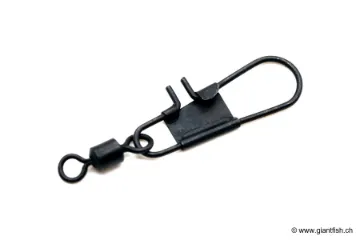
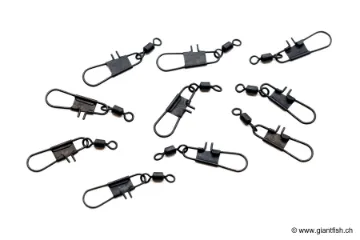
  • Swivels, clips and connectors: make changing rigs easy, reduce line twist and secure your setups.
  • Pre-tied hooklengths and ready rigs: ideal for saving time on the bank and having consistent, reliable setups.

Adapting your line setup to seasons and conditions

The same rig won’t work everywhere or all year round. Adjusting line finesse, float shape and shotting pattern keeps you effective from spring through winter.

  • Cold water and wary fish: fine lines, ultra-sensitive floats, spread-out shotting for a slow, natural presentation.
  • Main season and active fish: slightly stronger diameters, highly visible floats, more compact shotting for fast and precise fishing.
  • Flowing or windy water: more buoyant floats, a main bulk shot low down, plus a few tell-tale shots to stay in control close to the bottom.
  • Big-fish fishing: strong mainline, reinforced hooklengths, heavier-gauge hooks and suitable pole elastics.

By varying just a few rig parameters, you can cover most pole fishing situations without changing your entire tackle box.

Practical tips for reliable rigs

To keep your line rigs performing at their best, a few simple habits are worth adopting. Regularly check the condition of your nylon, especially near the shot and the hook, and don’t hesitate to replace a hooklength that looks dull or damaged. Store your made-up rigs on winders or spools to avoid loops and line twist.

Also take time to test the float balance in a bucket or at the water’s edge: only the antenna should be visible, giving you clear bite indication. Finally, prepare several rigs in advance (different depths, shotting patterns and diameters) so you can react quickly if fish activity changes.

FAQ: pole fishing line rigs

Question: What line diameter should I choose to start pole fishing?

For all-round fishing for roach and small silver fish, a mainline around 0.14 mm and a hooklength between 0.08 and 0.12 mm offers a good balance between discretion and strength.

Question: How many line rigs should I prepare before a session?

Preparing 3 to 5 different rigs is a solid starting point: several depths, at least two float sizes and two hooklength diameters so you can adapt quickly.

Question: Should I change rigs according to the season?

Yes, in winter and clear water, opt for finer, more sensitive setups. In summer, or when fish are very active, you can slightly increase diameters and use more buoyant floats.