





















Cookies help us deliver our services. By using our services, you agree to our use of cookies.
Search
[CHF] Swiss Franc
English
- Fishing license
- New Products
- Predator
- Trout
- Fly Fishing
- Carp
- Catfish
- Pole Fishing
- Sea Fishing
-
Clothing
- Fishing jackets
- Hoodies, fleeces & sweaters
- Fishing T-shirts, Polos, and Shirts
- Fishing Pants, Bibs, and Shorts
- Fishing vests and chest packs
- Waders and Hip Boots
- Boots, Shoes & Sandals
- Polarized sunglasses & Accessories
- Caps, Visors & Hats
- Beanies, Neck gaiters & Gloves
- Thermal underwear & Socks
- UV-blocking Clothing and Sun protection accessories
- Various
- Navigation
- Hunting
- Decor & Gifts
- Brands
Filter
Filter by price
Filter by manufacturer
Flies
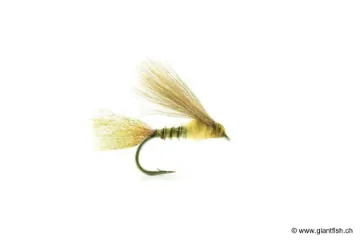

Devaux Emergent Fly ATE 16
Devaux EMERGENT FLIES ATE16: reference emergent fly, ideal for river fishing, designed to faithfully imitate aquatic insects and ensure optimal presentation.
3.10 (CHF) incl tax
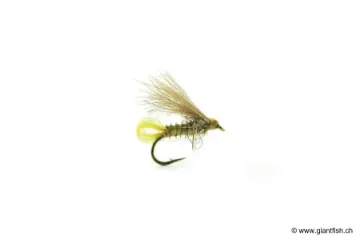
Devaux Emergent Fly ATE 15
Discover the Devaux ATE15 emergent flies, an essential choice for fly fishing. Performance, realism and effectiveness guaranteed.
3.10 (CHF) incl tax
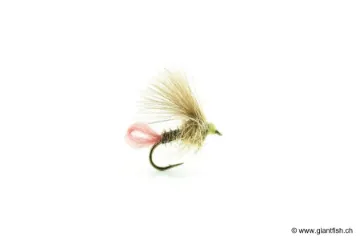
Devaux Emergent Fly ATE 14
Devaux EMERGENT FLIES ATE14 – Innovative emergent artificial flies for discerning anglers
3.10 (CHF) incl tax
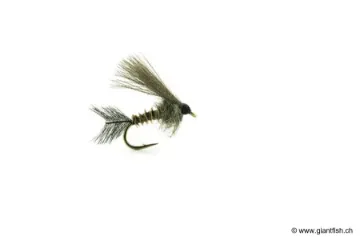
Devaux Emergent Fly ATE 11
Discover the ATE11 emergent flies by Devaux, excellence in fly fishing.
3.10 (CHF) incl tax
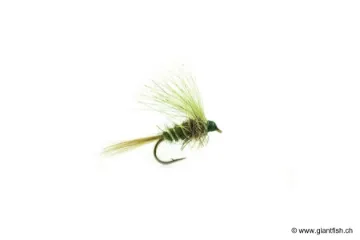
Devaux Emergent Fly ATE 10
Devaux ATE10 Emergent Fly for fly fishing – realistic performance and innovation by Devaux.
3.10 (CHF) incl tax
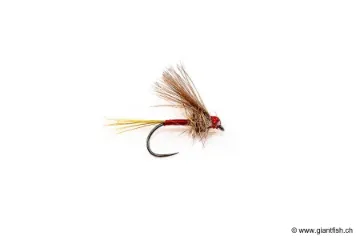
Devaux Emergent Fly ATE 09-R
Devaux EMERGENT FLIES ATE09R: innovative emergent fly for fly fishing, offering high effectiveness, perfect buoyancy and optimal attractiveness to entice the wariest fish in rivers or lakes.
3.10 (CHF) incl tax
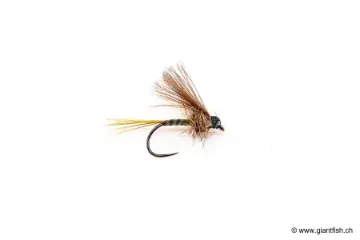
Devaux Emergent Fly ATE09QC
Devaux Emergent Fly ATE09QC, an exceptional fishing fly, highly effective on rivers, lakes and still waters, suitable for all skill levels.
3.10 (CHF) incl tax
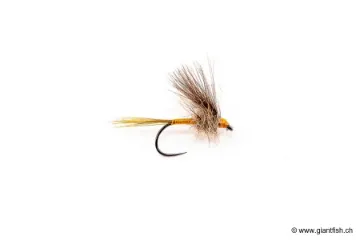
Devaux Emergent Fly ATE 09-O
Devaux EMERGENT FLIES ATE09O: an exceptional emergent fly for discerning anglers
3.10 (CHF) incl tax
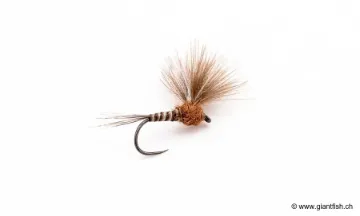
Devaux Emergent Fly ATE 09-N
Devaux ATE09N emergent fly – artificial, optimal efficiency, fly fishing
3.10 (CHF) incl tax
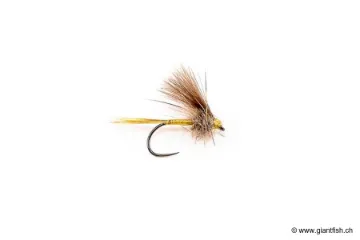
Devaux Emergent Fly ATE 09-J
Devaux ATE09J emergent fly, premium tying for discerning fly anglers.
3.10 (CHF) incl tax
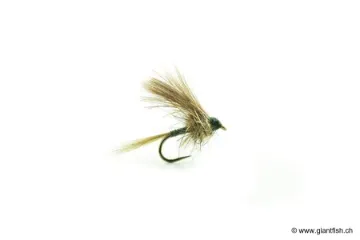
Devaux Emergent Fly ATE 09
Devaux Emergent Flies ATE09: Innovative artificial fly designed for optimal realism and superior performance, ideal for fly fishing in rivers or lakes. Entice wary trout with remarkable buoyancy, a refined silhouette and premium Devaux craftsmanship.
3.10 (CHF) incl tax
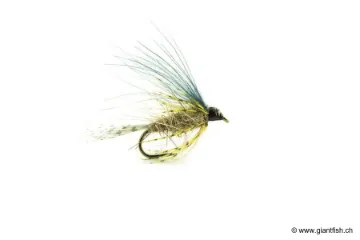
Devaux Emergent Fly ATE 08
Devaux EMERGENT FLY ATE08: premium emergent fly for fly fishing enthusiasts
3.10 (CHF) incl tax
Payment options


