


















Cookies help us deliver our services. By using our services, you agree to our use of cookies.
Search
[CHF] Swiss Franc
English
- Fishing license
- New Products
- Predator
- Trout
- Fly Fishing
- Carp
- Catfish
- Pole Fishing
- Sea Fishing
-
Clothing
- Fishing jackets
- Hoodies, fleeces & sweaters
- Fishing T-shirts, Polos, and Shirts
- Fishing Pants, Bibs, and Shorts
- Fishing vests and chest packs
- Waders and Hip Boots
- Boots, Shoes & Sandals
- Polarized sunglasses & Accessories
- Caps, Visors & Hats
- Beanies, Neck gaiters & Gloves
- Thermal underwear & Socks
- UV-blocking Clothing and Sun protection accessories
- Various
- Navigation
- Hunting
- Decor & Gifts
- Brands
Filter
Filter by price
Filter by manufacturer
Flies
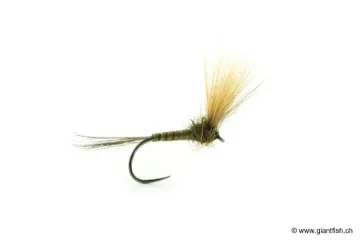

Devaux Emergent Fly JBE27
Devaux EMERGENT FLIES JBE27, ultra-realistic emergent fly for fly fishing, designed to fool fish in all conditions.
3.10 (CHF) incl tax
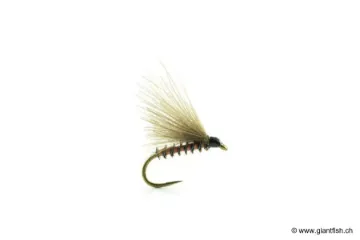
Devaux Emergent Fly JBE21
Devaux Emergent Flies JBE21: high-quality artificial flies for freshwater fly fishing, offering realistic presentation, effectiveness and long-lasting durability.
3.10 (CHF) incl tax
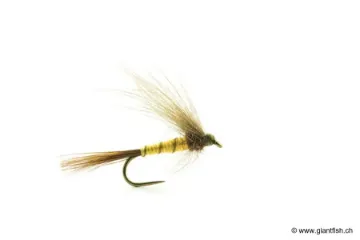
Devaux JBE20 Emergent Fly
Devaux JBE20 emergent flies: precise insect imitations for fly fishing, proven effectiveness, professional quality.
3.10 (CHF) incl tax
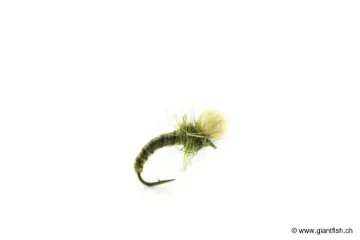
Devaux Emergent Fly JBE17
Devaux Emergent Fly JBE17, innovative fly fishing pattern, effective in rivers and reservoirs, high-quality tying, superior buoyancy, optimal imitation for trout and wary fish — an excellent choice for passionate anglers.
3.10 (CHF) incl tax
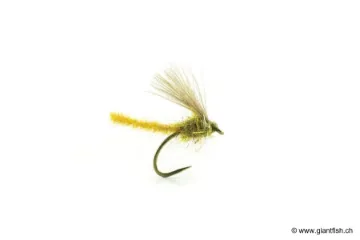
Devaux Emergent Fly JBE14
Devaux JBE14 emergent flies – the angling advantage for successful fly-fishing sessions thanks to their innovative design and proven effectiveness by Devaux.
3.10 (CHF) incl tax
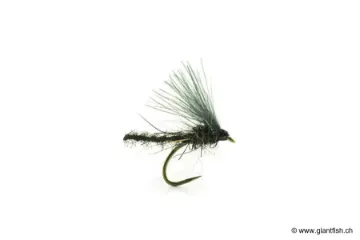
Devaux Emergent Fly JBE 13
Devaux emergent flies: realistic fly-fishing imitations reproducing the emergent stage of aquatic insects for a natural presentation and optimal attractiveness on rivers and still waters. Ideal for tempting wary fish and increasing catches during your sport-fishing sessions, offering premium quality, durability and proven effectiveness appreciated by demanding anglers.
3.10 (CHF) incl tax
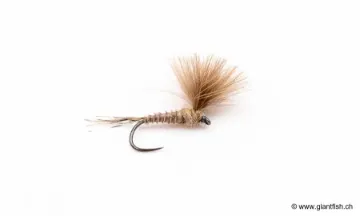
Devaux Emergent Fly JBE12
Devaux EMERGENT FLY JBE12: premium emergent flies for discerning anglers
3.10 (CHF) incl tax
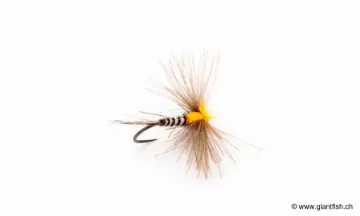
Devaux JBE08 Emergent Fly
Devaux JBE08 Emergent Flies: undisputed effectiveness for fly fishing.
3.10 (CHF) incl tax
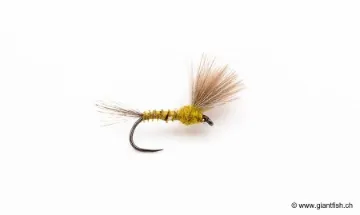
Devaux Emergent Fly JBE 11
Devaux Emergent Fly JBE11 for demanding anglers: buoyancy, realistic imitation, exceptional performance.
3.10 (CHF) incl tax
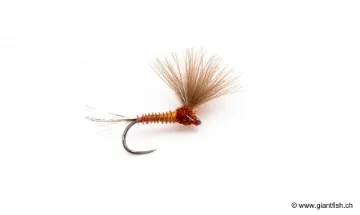
Devaux Emergent Fly JBE10
Devaux JBE10 Emergent Flies: performance, realism and effectiveness for fly fishing.
3.10 (CHF) incl tax
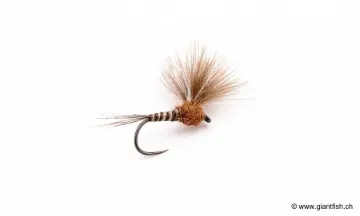
Devaux Emergent Fly JBE 09
Devaux JBE09 Emergent Fly, versatile artificial fly for fly fishing, offering realism and effectiveness on wary fish.
3.10 (CHF) incl tax
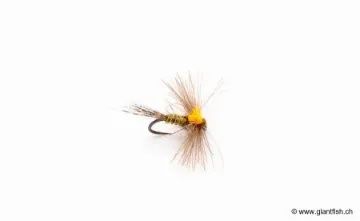
Devaux Emergent Fly JBE07
Devaux JBE07 emergent fly – Ideal for delicate river fishing, realistic imitation and optimal effectiveness.
3.10 (CHF) incl tax
Payment options


