




















Cookies help us deliver our services. By using our services, you agree to our use of cookies.
Search
[CHF] Swiss Franc
English
- Fishing license
- New Products
- Predator
- Trout
- Fly Fishing
- Carp
- Catfish
- Pole Fishing
- Sea Fishing
-
Clothing
- Fishing jackets
- Hoodies, fleeces & sweaters
- Fishing T-shirts, Polos, and Shirts
- Fishing Pants, Bibs, and Shorts
- Fishing vests and chest packs
- Waders and Hip Boots
- Boots, Shoes & Sandals
- Polarized sunglasses & Accessories
- Caps, Visors & Hats
- Beanies, Neck gaiters & Gloves
- Thermal underwear & Socks
- UV-blocking Clothing and Sun protection accessories
- Various
- Navigation
- Hunting
- Decor & Gifts
- Brands
Filter
Filter by price
Filter by manufacturer
Flies
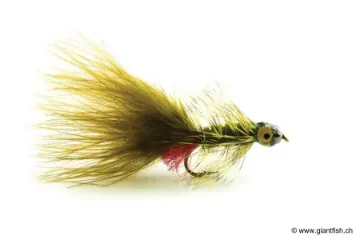

Devaux Tungsten Streamer Fly MW 01
Devaux Streamer Flies MW01: High-end artificial streamer fly for river or lake fishing, designed for maximum attractiveness to predatory fish.
3.10 (CHF) incl tax
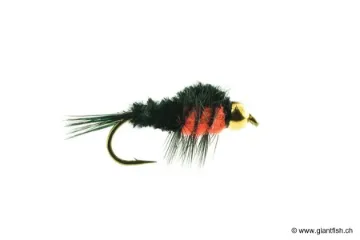
Devaux Streamer Fly MTAB03
Devaux MTAB03 Streamer Flies – High-end streamer flies for discerning fly anglers
3.10 (CHF) incl tax
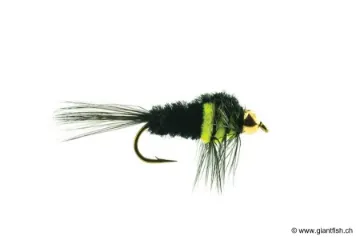
Devaux Streamer Fly MTAB01
Devaux MTAB01 Streamer flies, a premium artificial fly for demanding anglers.
3.10 (CHF) incl tax
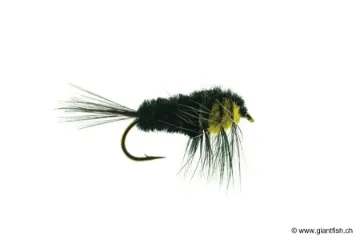
Devaux Streamer Fly MTA 01
Devaux Streamer Flies MTA01, premium streamer flies for predatory fish, offering exceptional realism and effectiveness.
3.10 (CHF) incl tax
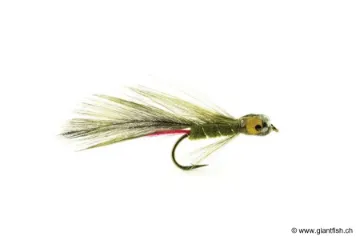
Devaux Tungsten Streamer Fly MO 01
Devaux MO01 Streamer Fly, the essential ally for fly fishing in rivers and reservoirs.
3.10 (CHF) incl tax
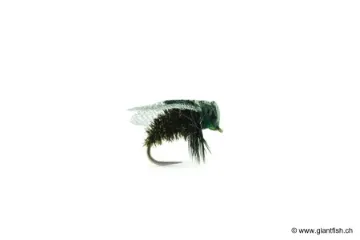
Devaux Terrestrial Fly MAV 01
Devaux Terrestrial Flies MAV 01, a high-performance fly for fly fishing, a faithful terrestrial insect imitation highly attractive for catching trout and wary fish, carefully tied with premium Devaux materials. Ideal for river, lake or reservoir fishing in all seasons, this fly delivers excellent success rates and appeals to both experienced anglers and beginners.
3.10 (CHF) incl tax
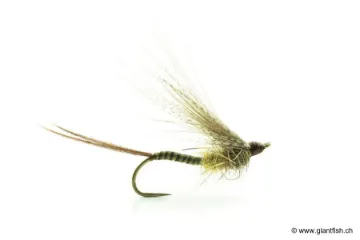
Devaux Emergent Fly MAI 03
Devaux Emergent Fly MAI03, an exceptional emergent fly for fly fishing.
3.10 (CHF) incl tax
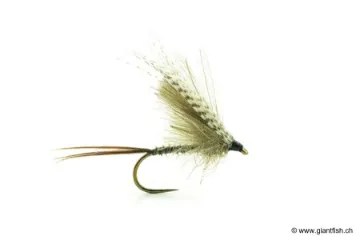
Devaux Emergent Fly MAI 02
Devaux EMERGENT FLY MAI02: artificial fly ideal for fly fishing, delivering realistic emergence, optimal buoyancy and strong trout attractivity with Devaux artisanal quality.
3.10 (CHF) incl tax
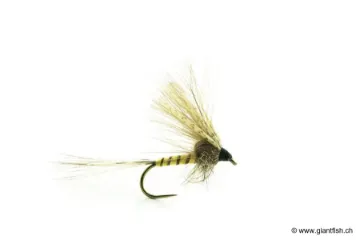
Devaux MAI 01 Emergent Fly
Devaux MAI01 emergent flies, ideal for fly fishing thanks to their realism, effectiveness and precision tying.
3.10 (CHF) incl tax
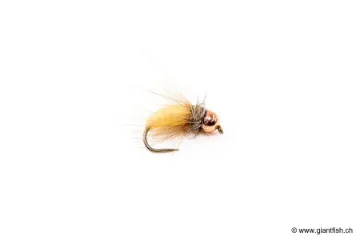
Devaux Tungsten Nymph LTT 02-C
Devaux Tungsten LTT 2C nymphs, high-density technical nymphs for river and reservoir fly fishing, designed for fast sinking, excellent holding in current and a natural presentation for pressured fish
3.10 (CHF) incl tax
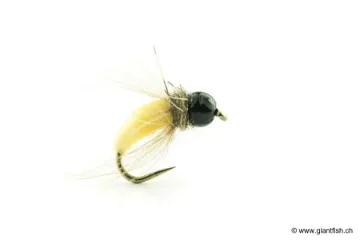
Devaux Tungsten Nymph Fly LTT 02
Devaux Tungsten Nymphs LTT 2, technical artificial nymphs for fly fishing in rivers and reservoirs, fast sinking, controlled drift, maximum stealth and proven effectiveness on salmonids.
3.10 (CHF) incl tax
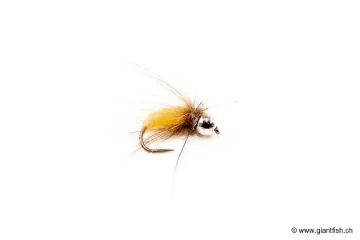
Devaux Tungsten Nymph Fly LTT 02-A
Devaux Tungsten Nymphs LTT 2A for fly fishing — precise weighting, fast sink and natural drift. Ideal for detecting light takes and for effective nymphing on a long line or light dead-drift.
3.10 (CHF) incl tax
Payment options


