Product highlights
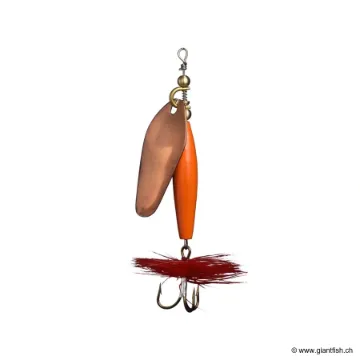
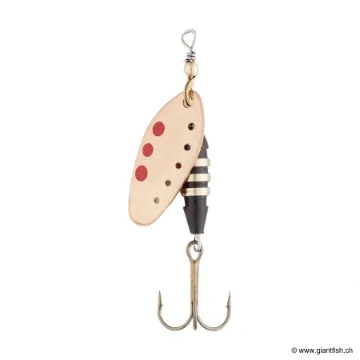
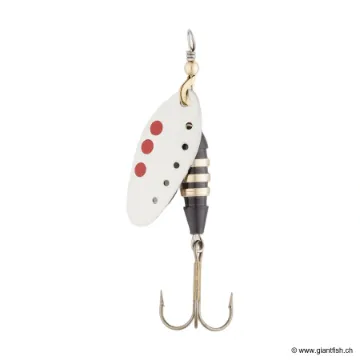
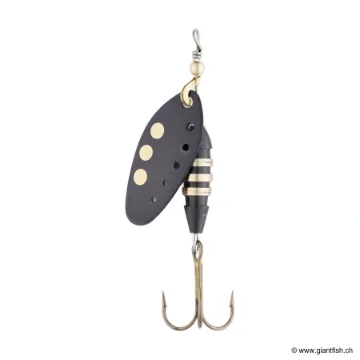
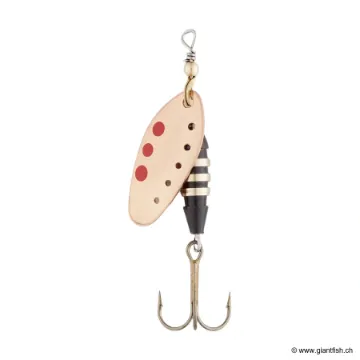
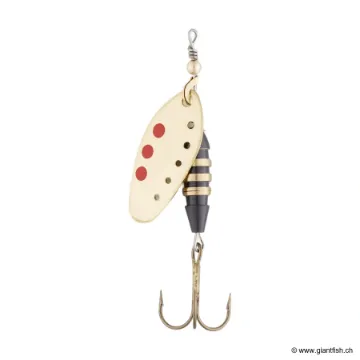
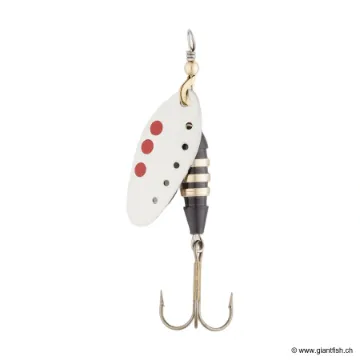
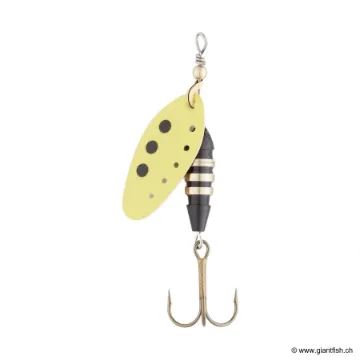
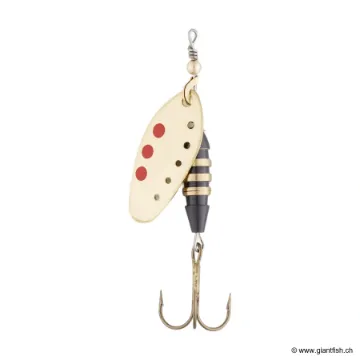
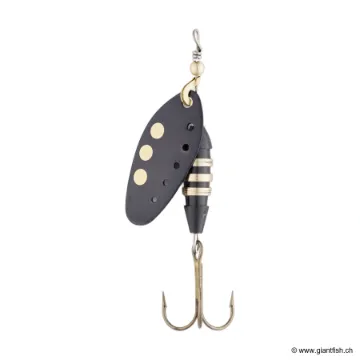
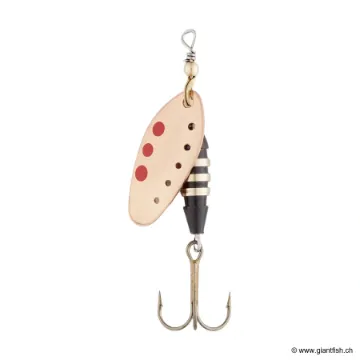
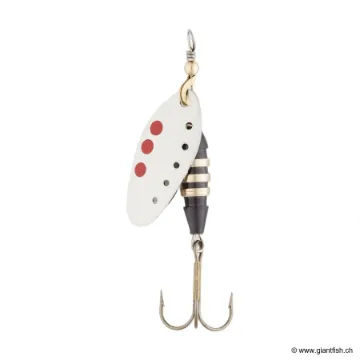
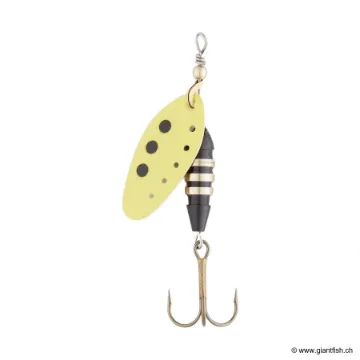
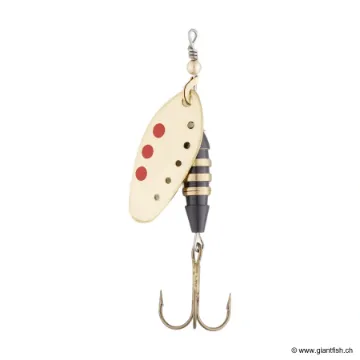
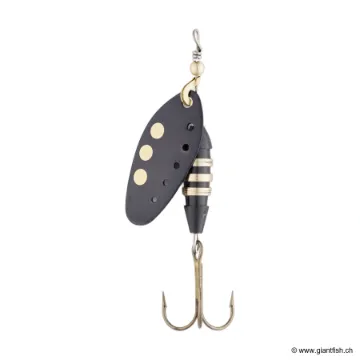
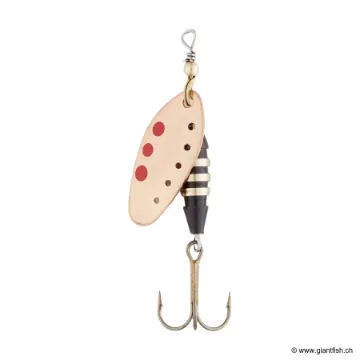
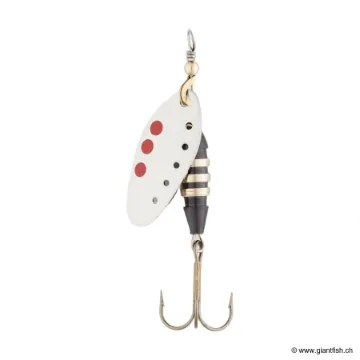
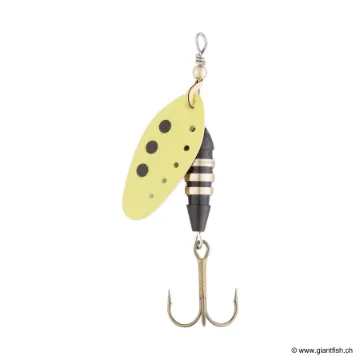
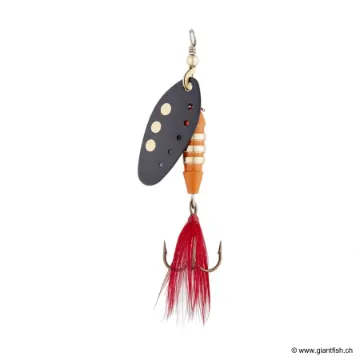
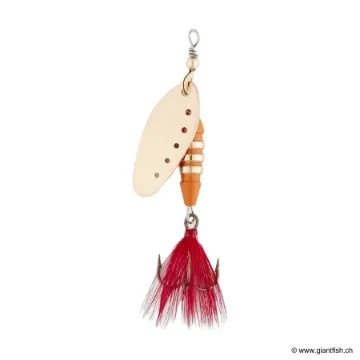
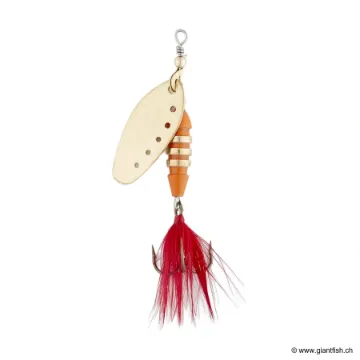
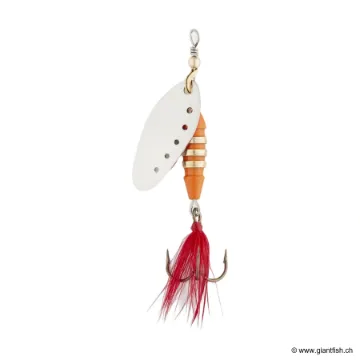
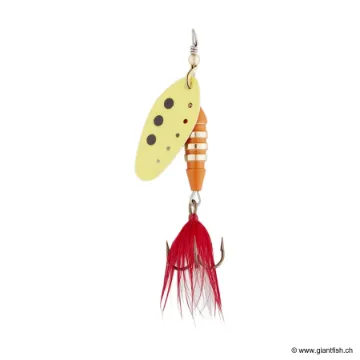
The Sting is a metal fishing lure in the form of a vibrating blade, designed to trigger reflex strikes when fish become wary or inactive. Its design combines a compact body with a perforated metal blade, giving it a sharp vibration signature and excellent feedback in the water. The standout feature of this model is its blade equipped with 5 holes of different sizes: this simple detail makes it possible to influence the lure's behavior depending on the spot, current, and fish activity. You can therefore adjust the action and responsiveness without changing lures, which is ideal for fishing efficiently and methodically.
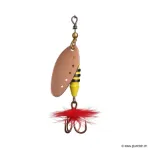
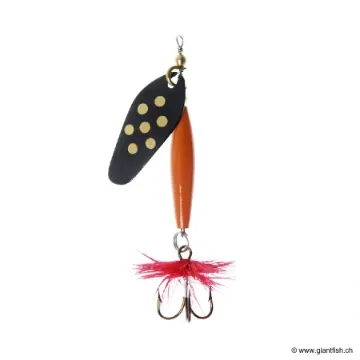
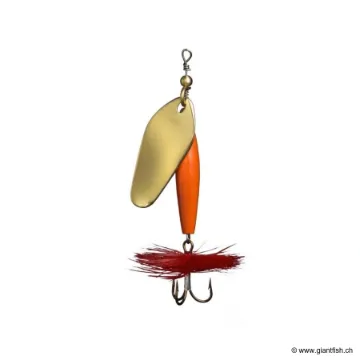
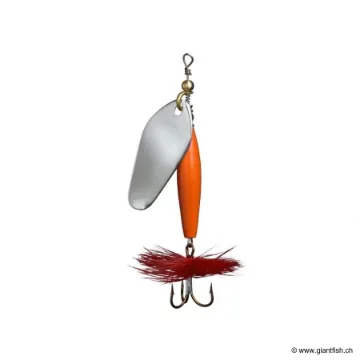
Its finish highlights an orange body paired with a natural brass tone, a color combination that provides visible contrast and is often highly effective in many light conditions. The hook is also concealed by a fly, which adds bulk, helps hide the point in certain situations, and gives the impression of a more lifelike prey item both on the pause and on the retrieve.
Technical specifications
- Type: vibrating blade lure (metal lure with blade)
- Blade: 5 holes of different sizes to change the attachment point and swimming action
- Body finish: orange with natural brass tone
- Rigging: hook with fly (feathers/hair) for a more realistic presentation
- Use: steady retrieve fishing, vertical fishing, and lift-and-drop retrieves
Benefits and key strengths
The main advantage of the Sting is its ability to generate multiple stimuli: vibrations, metallic flashes, and changes in rhythm. By using the different holes on the blade, you can achieve a more direct pull or, on the contrary, a freer swimming action, which helps quickly find the cadence that triggers strikes. This flexibility is especially valuable when fish follow but do not attack: a simple change in attachment point can sometimes turn a tentative bite into a solid hook-up.
The fly rig adds an extra dimension: it creates a soft trailing profile that continues to move during pauses. In stop-and-go retrieves or bottom-hugging presentations, this can make all the difference, especially when fish study the prey for a long time before biting. Finally, its compact size is practical for precisely covering marked areas, drop-offs, banks, or baitfish zones, with a lure capable of reaching and staying in the target water layer.
How to use
To get the best from this vibrating blade lure, start with a simple steady retrieve: cast, let it sink to the desired depth, then retrieve while keeping firm contact. If bites are scarce, alternate faster retrieves with short pauses: the fly works on the drop and can trigger strikes at that exact moment.
In current or on deep structure, use a lift-and-drop animation: raise the rod to make the lure vibrate, then follow the descent while keeping the line semi-tight. Then adjust the attachment point on one of the 5 holes to fine-tune responsiveness: one hole may deliver a quicker vibration, another a freer action. Also remember to regularly check the condition of the hook and fly after each fish or snag, to maintain a flawless presentation.
Testimonials
"I love how versatile it is: I just change the blade hole to find the right vibration, and the fly keeps attracting fish during the pauses."FAQ
Question 1: What are the 5 holes on the blade for?
Answer: They allow you to change the line attachment point and therefore adjust the swim action, responsiveness, and vibration feel depending on fishing conditions.
Question 2: Is the fly on the hook useful?
Answer: Yes, it adds bulk and a soft movement, especially on the pause and on the drop, which can trigger hesitant fish.
Question 3: Which retrieves work best?
Answer: Steady retrieve with pauses, lift-and-drop fishing, and bottom-oriented presentations are three simple and effective approaches with a vibrating blade lure.