Product Highlights
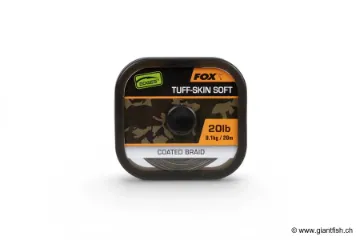
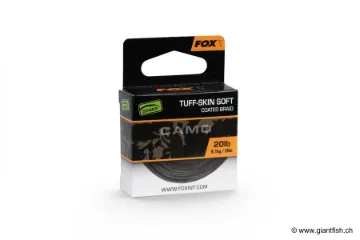
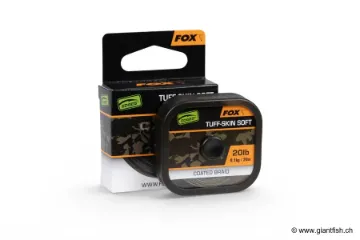
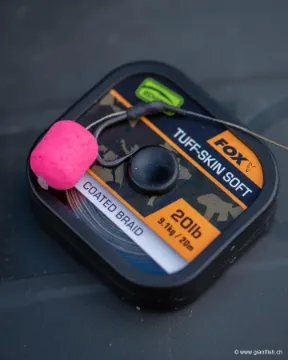
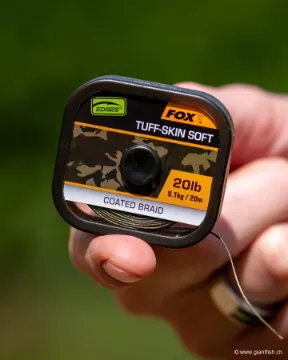
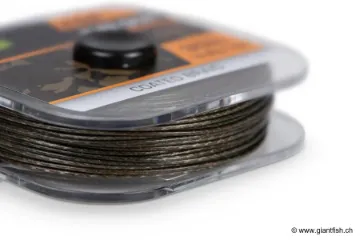
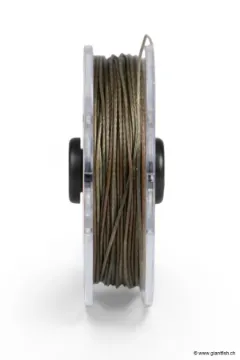
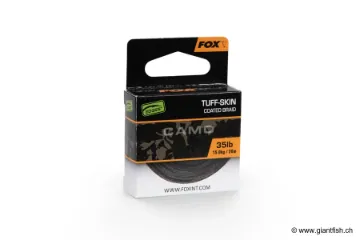
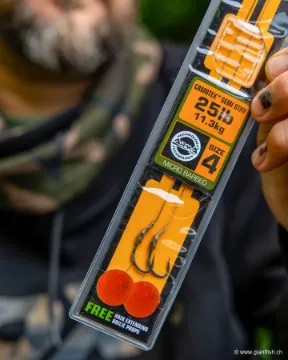
FOX Camotex Soft is a coated braid designed for carp anglers looking for a versatile material capable of producing neat, consistent hooklinks while maintaining excellent discretion in fishing situations. Its concept is based on combining a supple core with an outer coating to deliver a good balance between natural bait presentation and rig control.
In practice, this type of coated hooklink helps reduce tangles on the cast, gives better control over the hooklink’s position on the lakebed, and delivers a clean finish whether you are fishing clear spots or more snaggy areas. The Camotex range is also designed to offer a discreet visual profile, which is especially useful when fishing pressure is high and fish are paying closer attention to rigs.
- Versatility: suitable for many modern carp fishing rigs.
- Controlled presentation: the coating helps create hooklinks that are neater and more stable.
- Discretion: a finish designed to blend visually into the environment.
- Reliability: suited to the demands of regular session use.
Technical Specifications
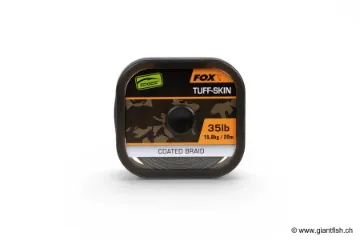
- Type: coated braid for making hooklinks.
- Behavior: supple core + outer coating for a structured rig.
- Use: carp fishing (hair rigs, combi rigs, partially stripped hooklinks).
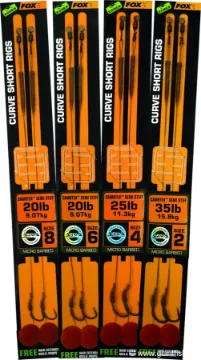
- Strength: available in different versions depending on your needs and swim conditions.
- Goal: discretion, rig stability, and durability in fishing conditions.
Benefits and Key Features
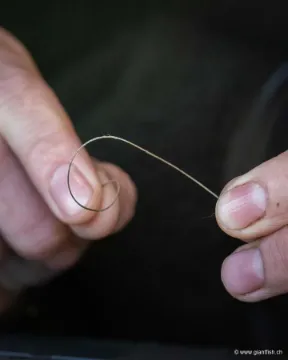
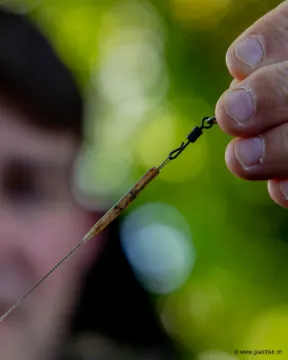
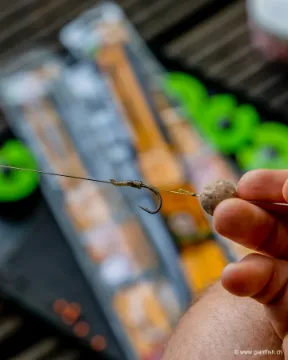
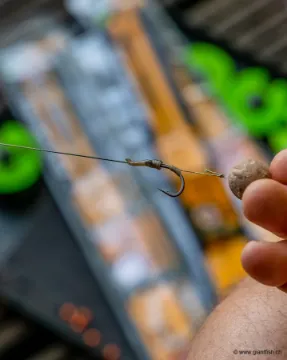
One of the major advantages of a coated hooklink material is the ability to fine-tune the balance between flexibility and stiffness. Keeping the coating intact gives you a more “controlled” hooklink, often preferred to reduce tangles and improve rig positioning. By stripping part of the coating (where needed), you gain extra freedom of movement near the hook, which can make the bait pick-up more natural, especially with cautious fish.
Camotex Soft is therefore a smart choice for anglers who want one material that can cover several approaches: short sessions, long sessions, clear water or more coloured water, clean spots or areas with obstacles. Its purpose is to help you build consistent carp rigs with excellent repeatability: once you have found the right settings (stripping length, knot choice, desired stiffness), you can reproduce similar, reliable hooklinks.
Finally, choosing a Fox product, a recognised name in carp tackle, offers peace of mind: this product is designed for real-world use, where friction, handling, and repeated casting put hooklinks under serious strain.
Usage Tips
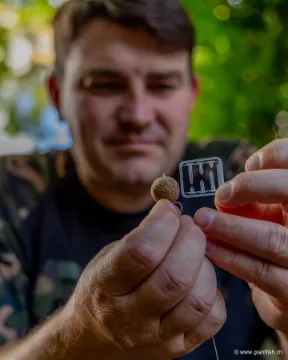
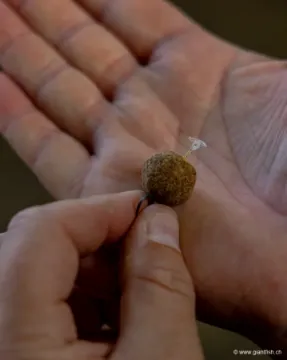
To get the most out of a coated carp braid, start by defining the rig’s objective: anti-tangle performance, freer presentation, or a blend of both. For a “classic” setup, keep the coating on most of the length. For a finer approach, strip only the last few inches near the hook to increase bait movement.
Then match your knots to the material: tighten them gradually, moisten before locking down, and always check the knot’s hold. After each fish (or after any snag), inspect the coating and stripped section: if you notice unusual wear, replace the hooklink. For storage, keep your tied hooklinks protected from unnecessary pressure so they retain their shape and effectiveness.
FAQ
Question 1: What is a coated braid used for in carp fishing?
Answer: A coated braid is used to build hooklinks with better-controlled presentation and mechanics. The coating helps reduce tangles and stabilise the rig on the bottom.
Question 2: Do I need to strip the Camotex Soft for it to work well?
Answer: No. You can use it fully coated for more structure, or partially stripped to gain flexibility near the hook. The choice depends on the swim and the type of presentation you want.
Question 3: Is it suitable for modern rigs (combi rig, etc.)?
Answer: Yes, a coated braid is commonly used for rigs that combine a coated section (stability) with a stripped section (movement), allowing you to fine-tune the hooklink’s behaviour.
Question 4: How do I choose the right strength version?
Answer: Choose based on obstacles, potential abrasion, and the diameter you want. In snaggy areas, anglers usually go for more robustness; in open water, you can opt for a finer setup while still matching your fishing style.