






















Cookies help us deliver our services. By using our services, you agree to our use of cookies.
Search
[CHF] Swiss Franc
English
- Fishing license
- New Products
- Predator
- Trout
- Fly Fishing
- Carp
- Catfish
- Pole Fishing
- Sea Fishing
-
Clothing
- Fishing jackets
- Hoodies, fleeces & sweaters
- Fishing T-shirts, Polos, and Shirts
- Fishing Pants, Bibs, and Shorts
- Fishing vests and chest packs
- Waders and Hip Boots
- Boots, Shoes & Sandals
- Polarized sunglasses & Accessories
- Caps, Visors & Hats
- Beanies, Neck gaiters & Gloves
- Thermal underwear & Socks
- UV-blocking Clothing and Sun protection accessories
- Various
- Navigation
- Hunting
- Decor & Gifts
- Brands
Filter
Filter by price
Filter by manufacturer
Rigs
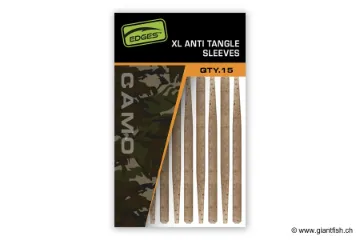

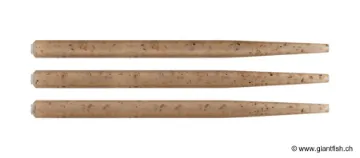
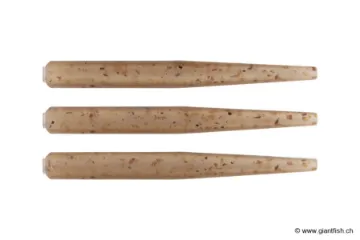
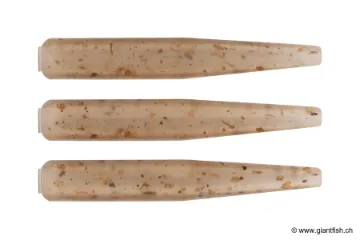
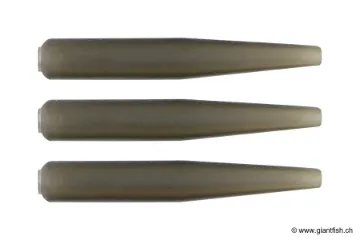
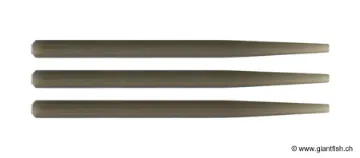
FOX Edges Anti Tangle Sleeves | CAC970
The Fox Edges anti-tangle sleeves secure your connections and help reduce tangles for cleaner and more effective carp rigs.
3.00 (CHF) incl tax
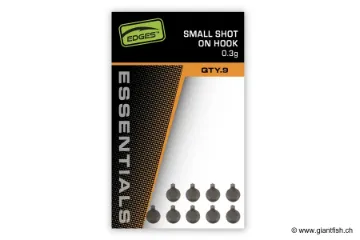
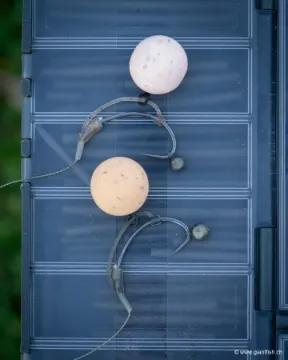
FOX Edges Shot on The Hook Lead
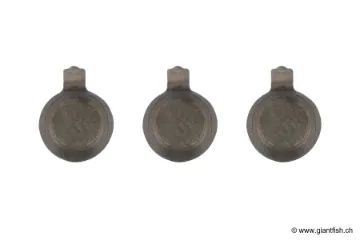
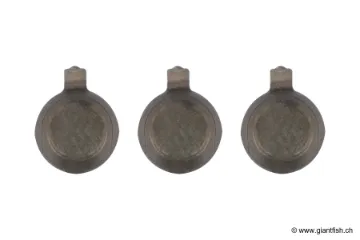
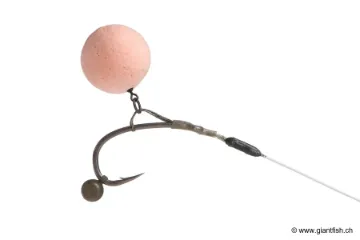
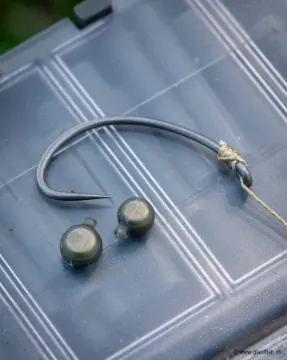
Fox Edges split shot for attaching to the hook to adjust balance, presentation, and rig stability in carp fishing.
6.70 (CHF) incl tax
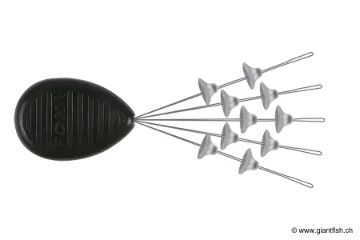
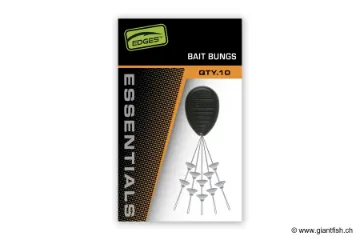
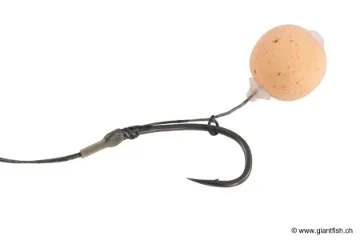
FOX Edges Bait Bungs | CAC964
Fox Edges Bait Bungs are hair rig bait stops designed to secure a drilled bait and improve the reliability of your carp rigs.
4.05 (CHF) incl tax
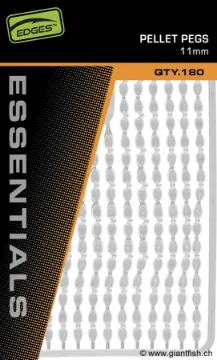
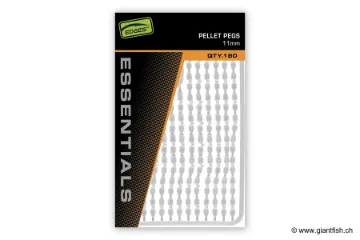
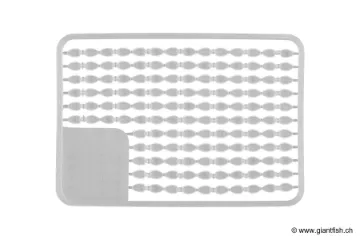
FOX Edges Pellet Pegs Bait Stops
FOX Edges pellet stops for securing your bait pellets on a hair rig, with reliable hold even after softening in water.
4.05 (CHF) incl tax
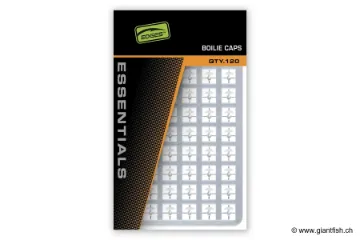
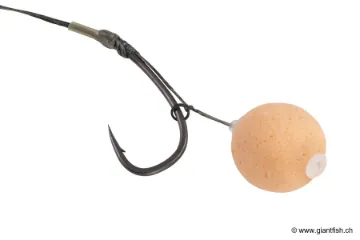
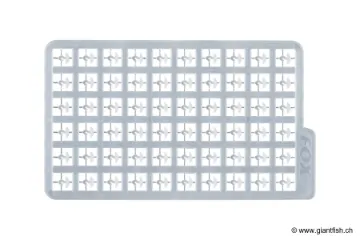
FOX Edges Boilie Caps Bait Stops
Quick-rig carp bait caps designed to secure boilies and other baits on a hair rig, reduce bait damage, and make changes easier on the bank.
3.00 (CHF) incl tax
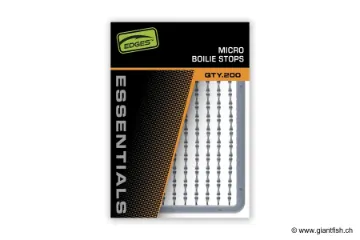
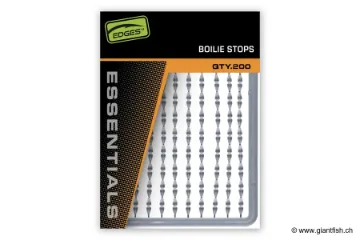
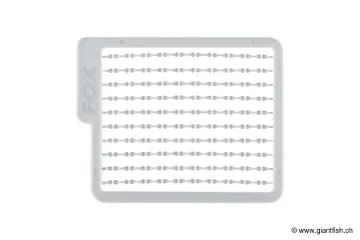
FOX Edges Boilie Stops
FOX micro boilie stops designed for hair rig setups: discreet, reliable bait retention for carp fishing.
3.00 (CHF) incl tax
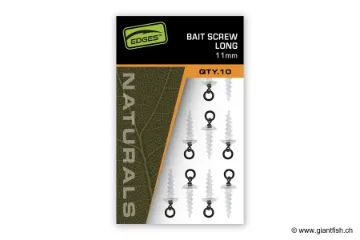
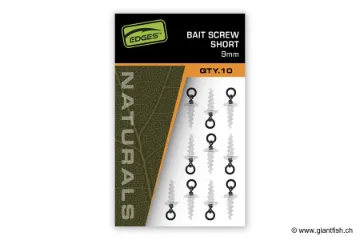
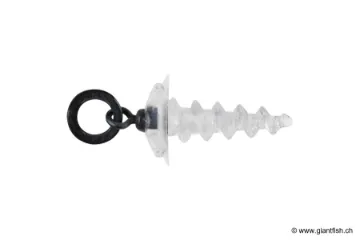
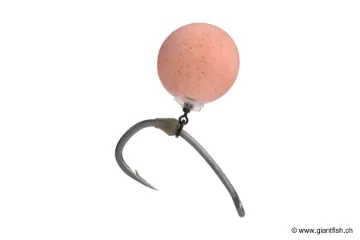
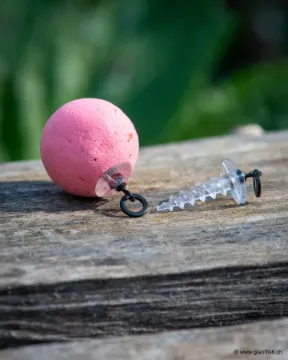
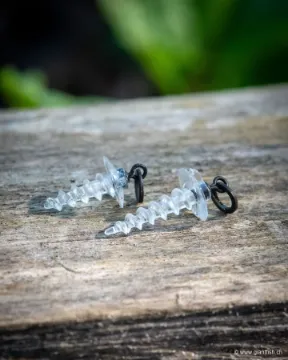
FOX Edges Bait Screw
Fox Edges mounting accessory designed to quickly secure a bait to your carp rigs, for a clean, consistent presentation that is easy to replace.
5.05 (CHF) incl tax
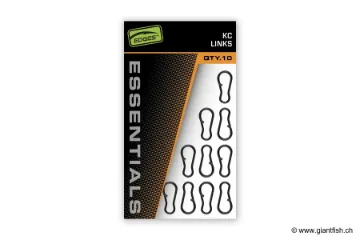
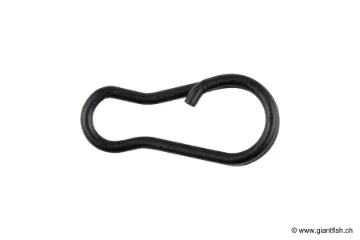
FOX Edges KC Swivel Links
FOX fishing swivels from the Edges range, designed to quickly connect hooklinks and accessories while keeping a clean, reliable rig.
4.05 (CHF) incl tax
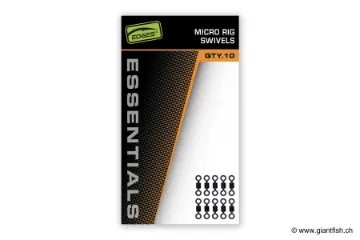
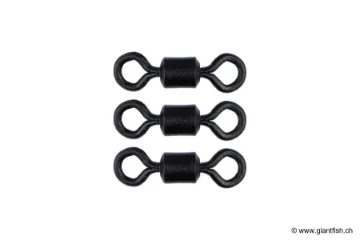
FOX Edges Micro Rig Swivels | CAC956
FOX Edges Micro Rig swivels designed to optimise your fishing rigs, improve hooklink rotation and reduce the risk of tangles. A reliable accessory for cleaner presentations and more secure connections.
4.05 (CHF) incl tax
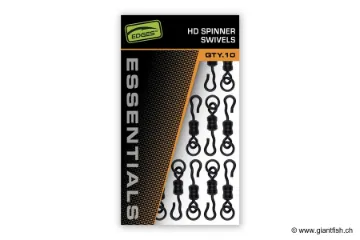
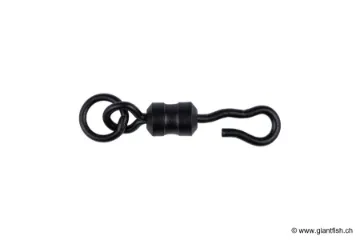
FOX Edges HD Spinner Swivels
Heavy-duty Fox Edges HD Spinner swivel for Spinner/Ronnie rigs: smooth rotation, reduced line twist, and a low-profile finish for carp fishing.
4.05 (CHF) incl tax
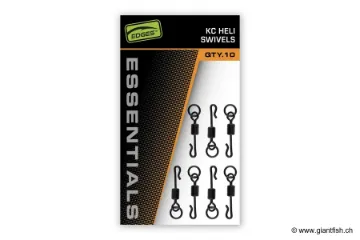
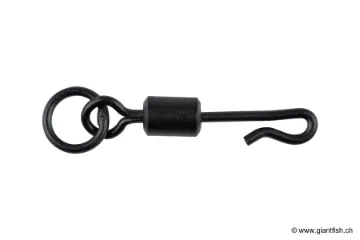
FOX Edges KC Heli Swivels
Fox Edges KC swivel designed to secure a helicopter rig for carp fishing. Smooth rotation helps reduce line twist, delivering a clean, tangle-resistant setup and easy integration with your hook link components. A reliable accessory to improve rig presentation and mechanics.
4.05 (CHF) incl tax
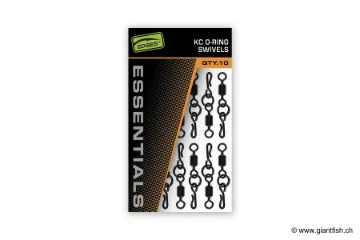
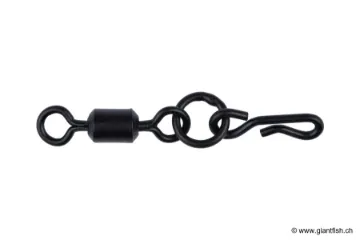
FOX Edges KC O-Ring Swivels
O-ring swivel for carp helicopter rigs: quick changes, smooth rotation, and a discreet matte finish.
4.05 (CHF) incl tax
Payment options


