





















Cookies help us deliver our services. By using our services, you agree to our use of cookies.
Search
[CHF] Swiss Franc
English
- Fishing license
- New Products
- Predator
- Trout
- Fly Fishing
- Carp
- Catfish
- Strike
- Sea
-
Clothing
- Fishing jackets
- Hoodies, fleeces & sweaters
- Fishing T-shirts, Polos, and Shirts
- Fishing Pants, Bibs, and Shorts
- Fishing vests and chest packs
- Waders and Hip Boots
- Boots, Shoes & Sandals
- Polarized sunglasses & Accessories
- Caps, Visors & Hats
- Beanies, Neck gaiters & Gloves
- Thermal underwear & Socks
- UV-blocking Clothing and Sun protection accessories
- Various
- Navigation
- Hunting
- Decor & Gifts
- Brands
Filter
Filter by price
Filter by manufacturer
Predator Fishing Float Tubes & Accessories
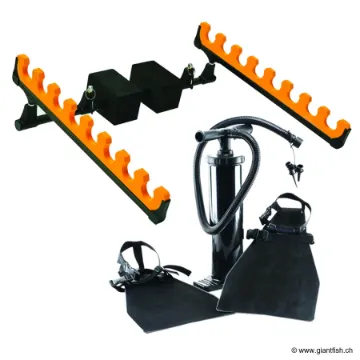

Kit Float Tube Devaux CAP-V - Pump, Fins and Rod Holder
Devaux CAP-V float tube fishing kit with pump, fins and rod holder
59.05 (CHF) incl tax
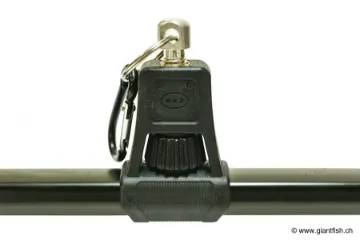
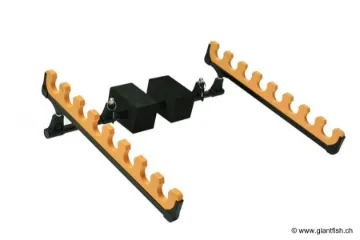


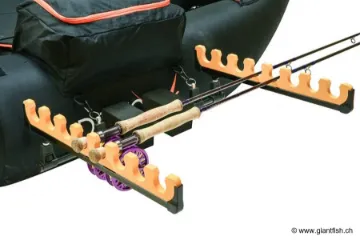
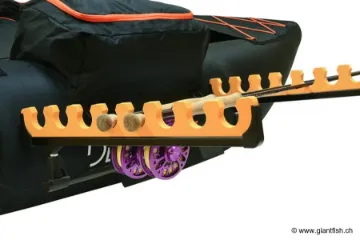
Devaux CAP-V Rod Holder
Devaux CAP-V Rod Holder, versatile rod support ideal for float tubes and active fishing.
29.90 (CHF) incl tax
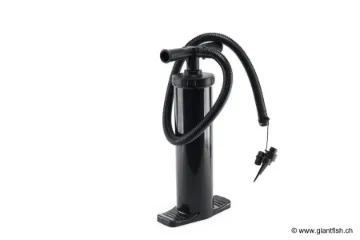
Devaux CAP-V Pump
Devaux CAP-V Pump, innovative high-efficiency pump for float tubes and fishing.
14.45 (CHF) incl tax
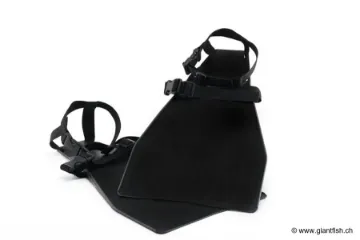
Devaux CAP-V Fins
Devaux CAP-V Fins: premium float tube fins — efficiency and comfort while fishing
25.35 (CHF) incl tax
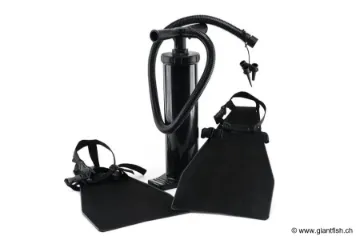
Devaux KIT CAP-V Float Tube Pump and Fins
CAP-V Devaux Kit: essential pump and fins for float tube, maximizing performance and comfort.
35.45 (CHF) incl tax
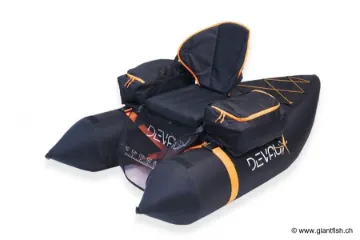
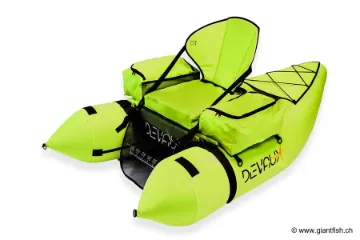
Float Tube Devaux KAYAK TUBE CAP-V 2000
High-end Devaux KAYAK TUBE CAP-V 2000 float tube: stability, visibility, comfort and superior performance for discerning anglers.
217.15 (CHF) incl tax
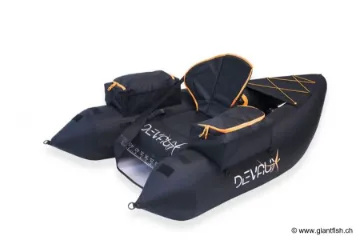
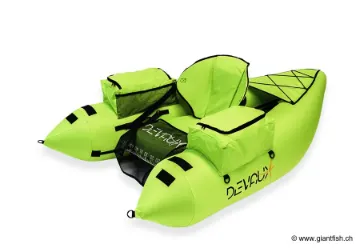
Float Tube Devaux KAYAK TUBE CAP-V 1000
Devaux KAYAK TUBE CAP-V 1000: streamlined, fast and stable float tube for fishing
153.55 (CHF) incl tax
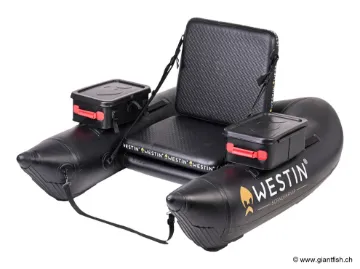
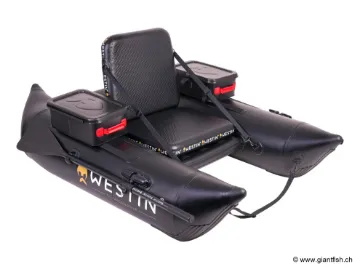
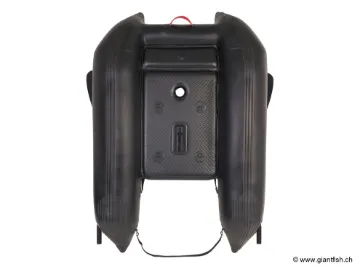
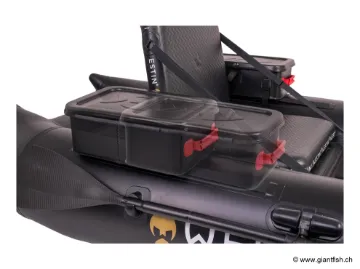
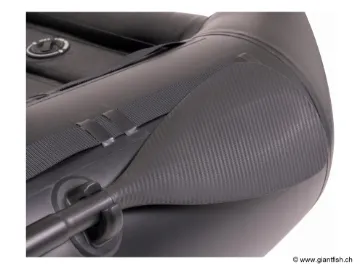
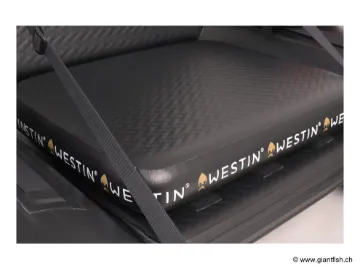
Westin W8 Belly Boat Premium Fishing Float-Tube
The Westin W8 Belly Boat is a premium fishing float-tube, designed to provide exceptional comfort, optimal stability, and unmatched durability. Featuring an ergonomic design, included oars, waterproof EVA bags, and compatibility with electric motors, it meets the needs of the most demanding anglers.
629.00 (CHF) incl tax
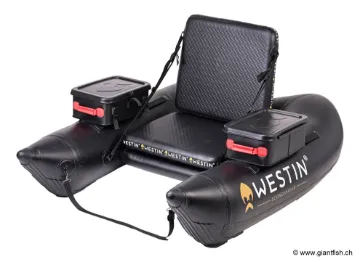
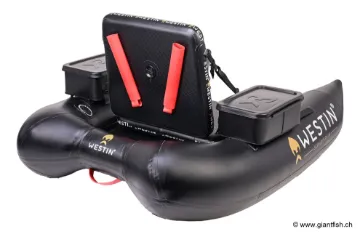
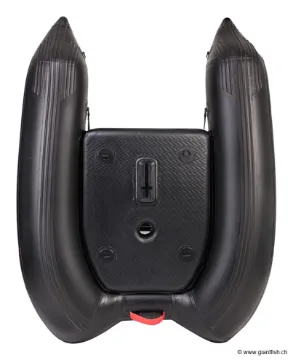
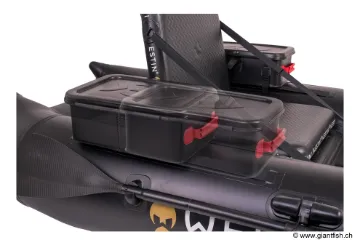
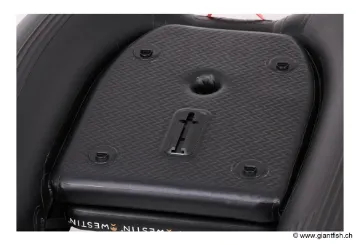
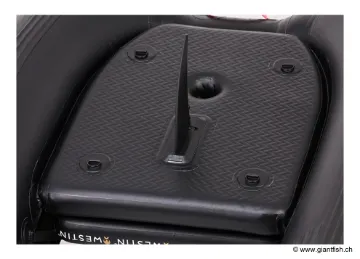
Premium Fishing Float Tube Westin W6 Belly Boat
The Westin W6 Belly Boat is a premium float tube designed for comfort, stability, and durability. Ideal for demanding anglers, it includes an ergonomic inflatable seat, waterproof EVA bags to protect your gear, and is compatible with electric motors. Delivered with a pump and a pressure gauge, it ensures quick and efficient setup.
590.00 (CHF) incl tax

The Float Tubes & Accessories category brings together everything you need to target predators right where they hold. With the right setup, a float tube becomes a stable, stealthy, and comfortable platform, perfect for working shorelines, shallow flats, and submerged structure with precision.
Choosing your float tube for predator fishing
Your float tube choice depends on how often you fish, the type of water you fish, and the amount of gear you carry. Load capacity, tube shape, and material quality directly affect stability, safety, and durability.
- Load volume: make sure you have enough room for tackle boxes, spare clothing, and accessories.
- Construction: internal air chambers or reinforced PVC bladders, and fabrics that resist abrasion and UV rays.
- Seat comfort: inflatable or foam seat, adjustable backrest to keep a good kicking position all day long.
- Strap and handle layout: makes it easier to carry from your vehicle down to the water’s edge.
Must-have float tube accessories
The right accessories make the difference between an average session and a truly productive day. They optimize organization, safety, and your ability to read each spot.
- Float tube fins: matched to your shoes or waders, they determine your speed and maneuverability.
- Pump and pressure gauge: for fast inflation and to ensure optimal pressure in the bladders.
- Fish finder and mounts: a properly mounted unit helps you locate drop-offs, weedbeds, and schools of fish.
- Bags, pockets, and dry bag: keep lures, pliers, phone, and clothing well organized and within easy reach.
- Drift anchor or drogue: stabilizes the float tube in wind or strong drift so you can fish more precisely.
- Rod holders: secure your setups while keeping your hands free when moving around.
Float tube fishing techniques by season
A float tube lets you follow the seasonal movements of predators by adjusting your positioning and lure presentation.
- Spring: work the shallow edges and emerging weedbeds with soft plastics, either on a straight retrieve or Texas-rigged.
- Summer: focus on shaded areas, submerged wood, and breaks close to the surface with stickbaits, frogs, and reaction baits.
- Fall: cover large areas with crankbaits or weighted shads, paying special attention to depth changes.
- Mild winter: slow down your retrieves, use finesse rigs, and insist on zones with more stable water temperatures.
Safety, comfort, and care of your gear
Float tube safety is based on properly matched and well-maintained gear. A flotation vest, waders in good condition, and a clear deck layout are essential to enjoy your sessions with peace of mind.
- Flotation vest and proper clothing: always wear a buoyancy aid and thermal layers suited to the water temperature.
- Visibility: high-contrast colors, a light, or signaling devices increase your safety in low-light conditions.
- Maintenance: rinse the float tube, check valves and seams, and let it dry in the shade before storage.
- On-board organization: store pliers, net, and lures properly to reduce the risk of falls or snagging.
Float Tubes & Accessories FAQ
Q: What float tube size should I choose as a beginner?
A: To start, a versatile model with good load capacity and several side storage compartments lets you carry all the gear you need without sacrificing stability.
Q: Which accessories are really essential?
A: Proper fins, a reliable pump, a flotation vest, a dry bag for sensitive items, and a mounting system for rods and net form the basis of a safe, functional setup.
Q: Is a fish finder essential on a float tube?
A: It’s not mandatory, but a well-tuned fish finder helps you read bottom contours, depth, and sometimes fish activity, which often makes it easier to target the most productive areas.
Q: How can I extend the life of a float tube?
A: Avoid over-inflation, protect it from sharp surfaces, rinse it after each trip, and store it dry, away from direct sunlight and extreme temperature changes.
Payment options


