






















Cookies help us deliver our services. By using our services, you agree to our use of cookies.
Search

[CHF] Swiss Franc
English
- Fishing license
- New Products
- Predator
- Trout
- Fly Fishing
- Carp
- Catfish
- Strike
- Sea
-
Clothing
- Fishing jackets
- Hoodies, fleeces & sweaters
- Fishing T-shirts, Polos, and Shirts
- Fishing Pants, Bibs, and Shorts
- Fishing vests and chest packs
- Waders and Hip Boots
- Boots, Shoes & Sandals
- Polarized sunglasses & Accessories
- Caps, Visors & Hats
- Beanies, Neck gaiters & Gloves
- Thermal underwear & Socks
- UV-blocking Clothing and Sun protection accessories
- Various
- Navigation
- Hunting
- Decor & Gifts
- Brands
Filter
Filter by price
Filter by manufacturer
Accessories
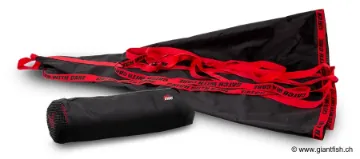

BFT XL Floating Anchor
High-performance BFT floating anchor to slow your boat's drift and maintain optimal course control, even in strong winds — ideal for fishing or recreational boating.
109.45 (CHF) incl tax
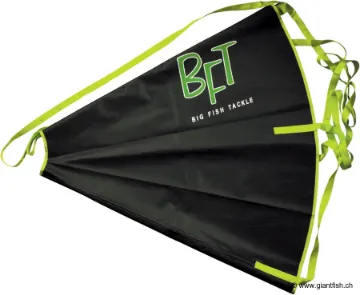
BFT Floating Anchor
BFT floating anchor to slow the drift of your fishing boat and gain stability, stealth and control during drifts, at sea and in freshwater.
58.10 (CHF) incl tax
Accessories are essential for making every fishing session more efficient, comfortable and organized. Beyond rods and reels, it’s the small pieces of gear that often make the difference between a frustrating day and a successful trip.
Must-have fishing accessories
Certain fishing accessories should always be in your bag or tackle box. They make rigging easier, help with fish handling and improve safety on the bank or boat.
- Fishing pliers and scissors for cleanly cutting mono and braid, and unhooking fish while keeping stress to a minimum.
- Crocodile clamps, disgorgers and extractors for precisely removing hooks that are taken deep.
- Boxes and cases for storing hooks, sinkers, swivels and small accessories without losing them.
- Floats, float stops and beads to fine-tune your rigs for pole, waggler or Bolognese fishing.
- Rod rests and banksticks to keep your rods stable and ready to strike.
Choosing the right tools and small gear
The quality of your accessories has a direct impact on the durability of your tackle and your comfort when fishing. It’s better to invest in a few good tools than in a pile of unreliable items.
- Choose corrosion-resistant materials for pliers, scissors and tools used in wet environments.
- Look for ergonomic, non-slip handles for a secure grip, even with wet or cold hands.
- Opt for sturdy compartmented boxes with solid lids to prevent accidental openings.
- For floats, consider their buoyancy, visibility and sensitivity according to fishing distance and light conditions.
Matching your accessories to seasons and techniques
Depending on the season and the technique you’re using, some accessories become more important than others. Adjusting your selection helps you fish more efficiently and better protect your tackle.
- In cold weather, pack thin gloves, headlamps and accessories that remain easy to handle with numb hands.
- In summer, rely on watertight and ventilated boxes to keep your baits in good condition and reduce oxidation on small metal parts.
- For predator fishing, long-nose pliers, steel-leader cutters and split-ring tools are highly recommended.
- For carp fishing, focus on boilie needles, bait stops, line markers and dedicated rig-making accessories.
Organizing and maintaining your accessories
Good organization saves time on the water and extends the life of your fishing accessories.
- Sort your small tackle by type into several clearly labeled boxes or modules.
- Rinse and dry your metal tools after each trip, especially when fishing mineral-rich waters.
- Regularly check the condition of your floats, swivels, split rings and snaps to avoid unexpected breakages.
- Replace worn or corroded accessories without delay, as they can compromise a fight or the presentation of your rig.
Fishing accessories FAQ
Which fishing accessories should I take on my first trip?
To get started, the essentials include a pair of pliers, scissors, a small box with hooks, sinkers, swivels, a few floats, a measure or tape, plus a box or bag to keep everything organized.
How do I organize my accessory box efficiently?
Group items by family in separate compartments: hooks, sinkers, swivels, floats, tools. Label them if needed and keep the most frequently used accessories in the easiest-to-reach sections.
How often should I check the condition of my accessories?
A quick inspection after every trip is recommended. Use quiet periods to do a more thorough sort, removing rusty or damaged parts and restocking any items that are running low.
Payment options


